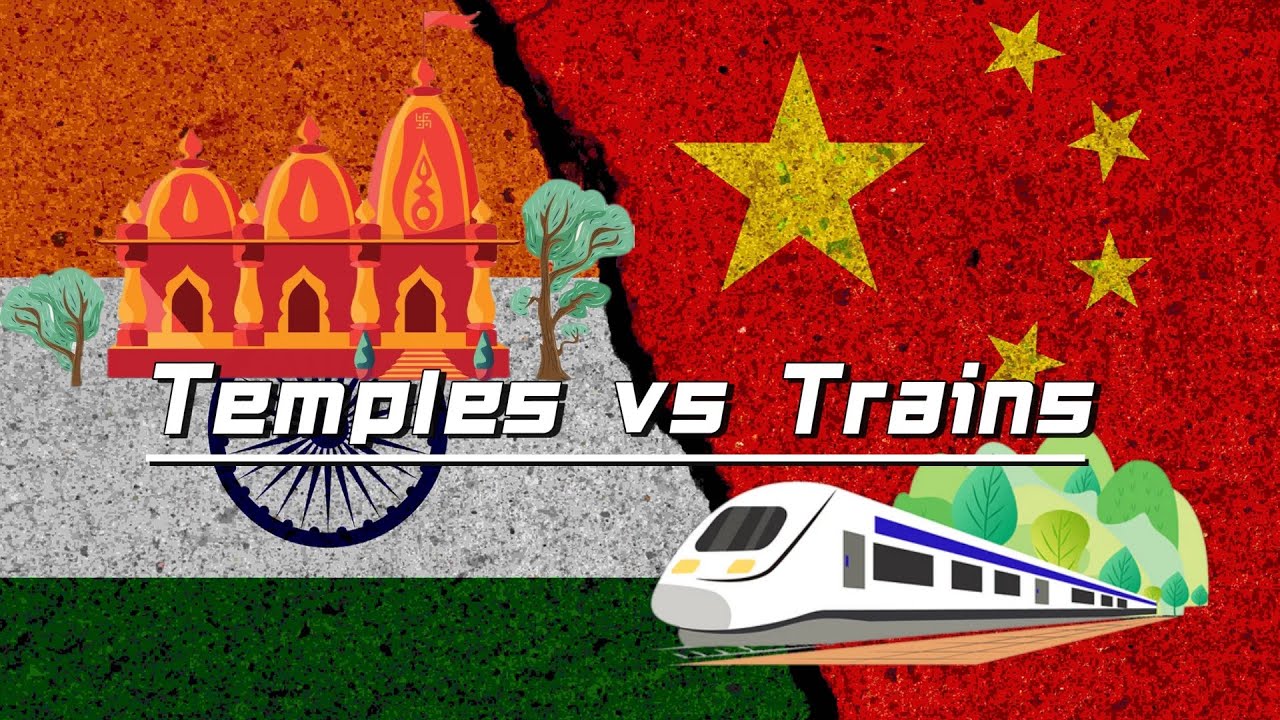
The video critiques a “First Post” video that highlights the wealth of India’s temples, arguing that focusing on this “temple economy” is misguided and creates a false sense of national pride.
The speaker connects religious practices in India to societal issues, including the caste system, which has led to a 45% surge in crimes against low-caste Dalits in 2021. It also mentions how political parties, specifically Modi’s BJP, use faith for votes, citing the Ayodhya temple as a political stunt with no economic payoff.
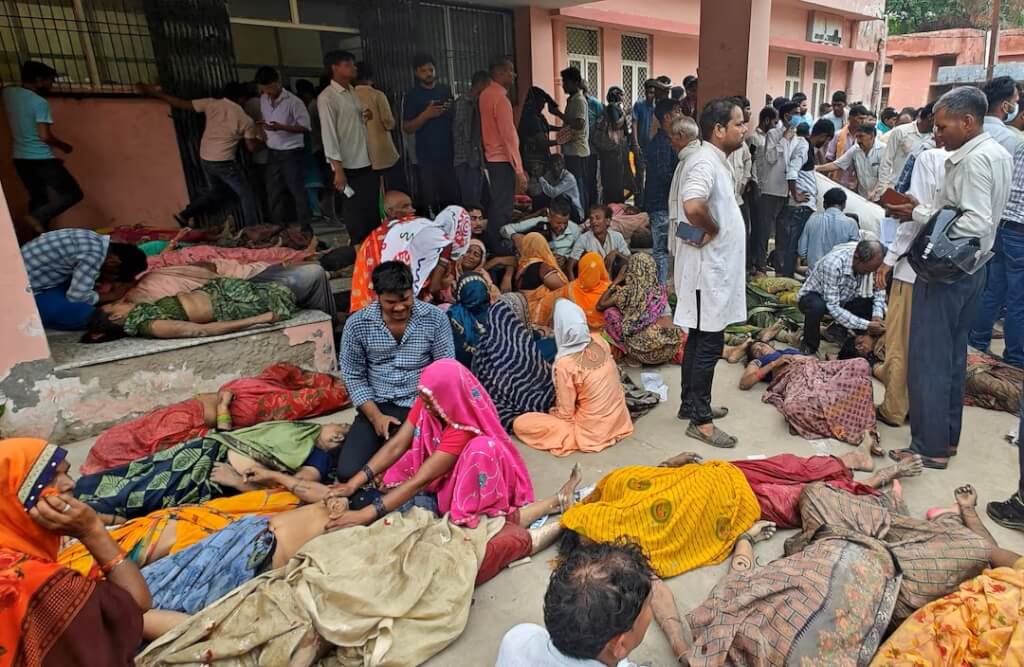
The video also discusses the health and safety risks associated with religious gatherings, mentioning that the Ganges River has E. coli levels hundreds of times over safe limits, leading to cholera and hospitalizations. It also points out stampede disasters, with one event in Uttar Pradesh in 2024 resulting in 121 deaths, and food poisoning incidents at religious gatherings.
The video contrasts India’s focus on religion with the technological advancements of other major global players, such as the US, China, and the EU. It highlights how these nations are investing in chip manufacturing, 6G technology, AI, and industrial automation.
The speaker emphasizes that while India’s temples have large cash hoards, this pales in comparison to the global tech market, with the chip market alone reaching $600 billion in 2024.
The video highlights specific areas where India is lagging:
-
Technology: India’s chip production is described as “near zero,” and its IT sector is seen as merely “software outsourcing.”
-
Defense: India’s AMCA fifth-gen jet is described as a “pipe dream,” while other countries like the US and China are developing advanced aircraft.
-
Infrastructure: The video contrasts India’s focus on religious parades with China’s rapid development of high-speed rail, airports, and electric vehicle production.
The video concludes by stating that India is on a “dead end road,” as temple cash cannot be used to develop technology like chips or 6G.