DeepSeek’s Open-Source Impact:
-
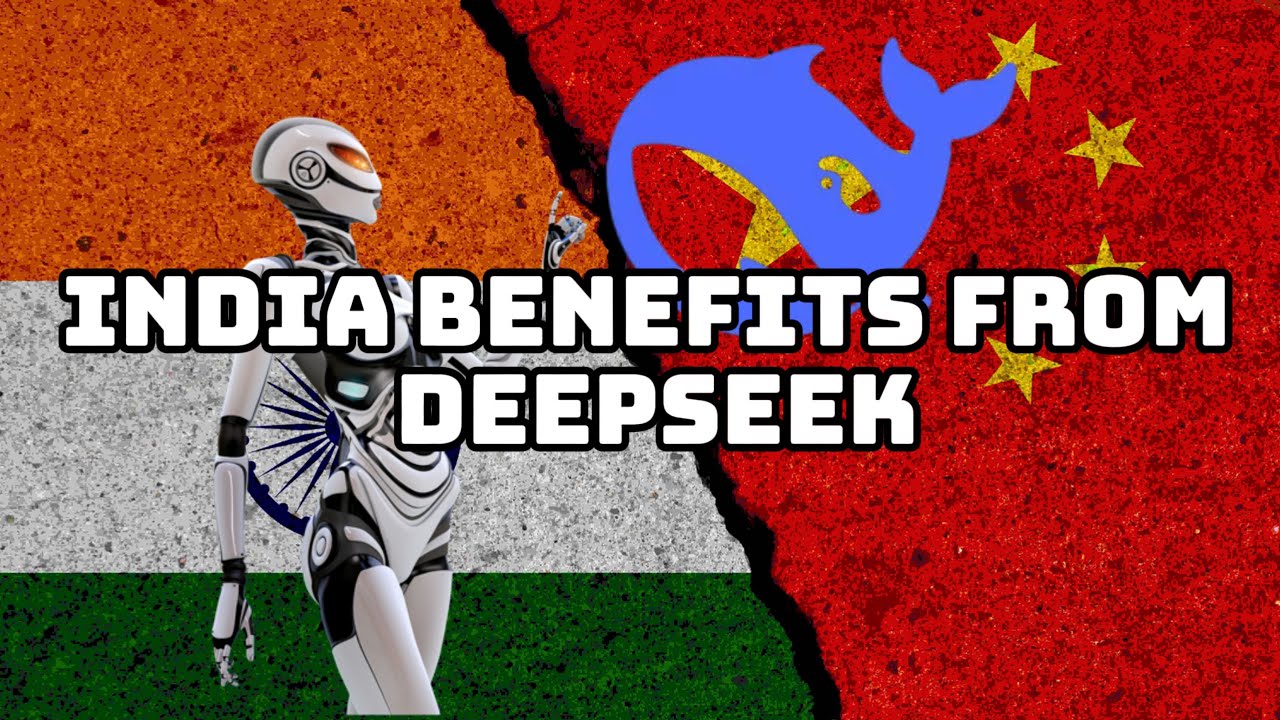
Many believe that DeepSeek’s open-source and free model has greatly benefited India, allowing it to keep up with the AI revolution at a low cost.
-
India has the highest number of DeepSeek users among overseas markets.
-
Due to the massive user base, DeepSeek has limited daily usage and temporarily disabled API call recharges.
Technical and Business Aspects:
-
Several companies, including Huawei, More Threads, Nvidia, Microsoft, and Amazon, have integrated or provide services for DeepSeek.
-
The video mentions that for users experiencing service interruptions, a webpage with a summary of third-party access points is available in the video description.
-
Deploying the full 671B version of DeepSeek requires significant but manageable hardware for businesses (approximately eight Nvidia A100 chips).
-
This low cost allows Indian companies to set up their own server clusters, offer services, and localize applications for the Indian market, helping the country advance technologically.
China’s Perspective and Goals:
-
DeepSeek’s primary goal is to provide affordable AI computing infrastructure and become a benchmark for open-source AI.
-
The open-source approach aims to break the U.S. monopoly in the large language model field, allowing small and medium-sized enterprises worldwide to innovate at an affordable cost.
-
While DeepSeek’s open-sourcing benefits India and other countries, its main consideration was to boost its own visibility and benefit China’s AI industry.
-
The video suggests that Chinese people do not see India as a competitor but rather as a key player that has helped China by contributing to the decline of the U.S. tech industry.
-
The speaker humorously suggests that China should thank India and even offer technological assistance as a reward for Indian engineers “dismantling Silicon Valley”.