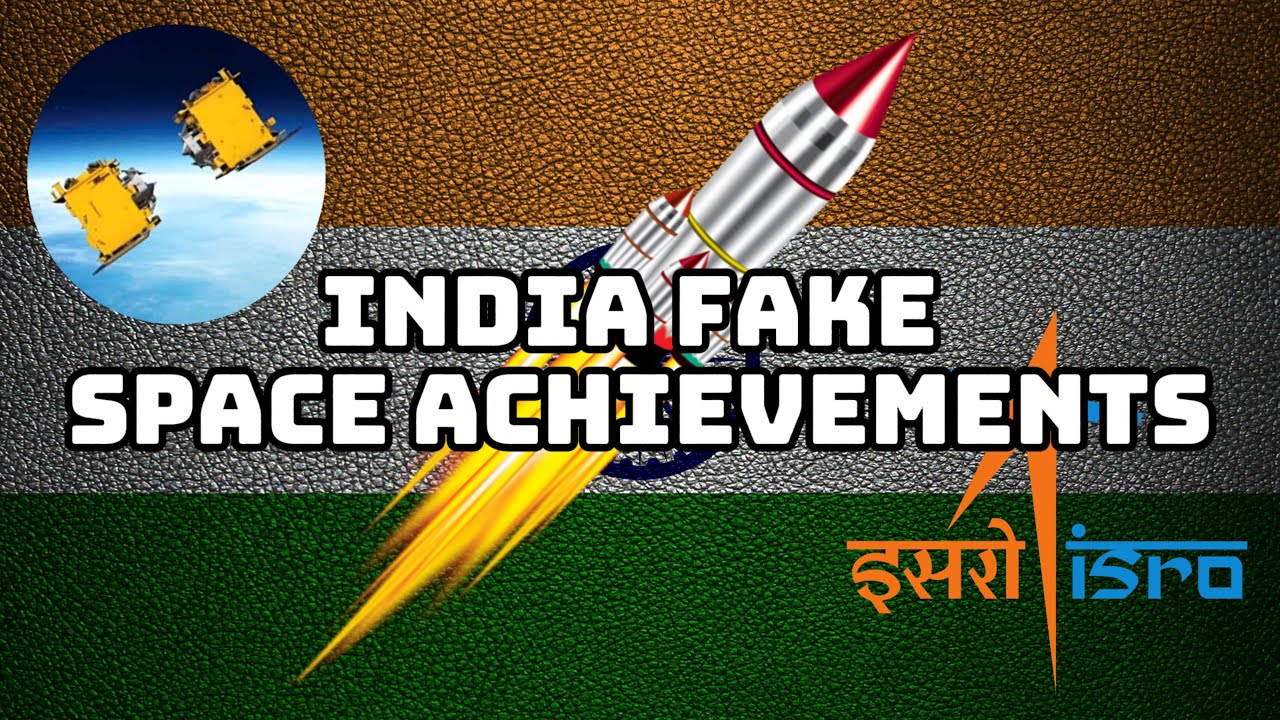
In the field of space exploration, the Indian Space Research Organisation’s (ISRO) space program has been criticized, particularly regarding its space docking mission. ISRO has faced scrutiny for claiming to be the first Asian country to explore Mars but remaining silent after China’s rover successfully landed. The space docking mission used two small satellites, and even if successful, it has little practical reference value. At the same time, ISRO’s decision to stop live broadcasts and release unclear videos and photos is seen by some as a way to cover up the failure of its plans. Some criticism suggests that ISRO’s repeated delays in the docking time are meant to boost national sentiment amid India’s economic and political pressures. If ISRO cannot even achieve a simple satellite docking after repeated delays, a crewed spaceflight in 2025 is considered impossible and an irresponsible disregard for astronauts’ lives.
Meanwhile, across the ocean, the U.S. government’s ban on TikTok has sparked controversy. Instead of switching to other American social media platforms, many U.S. users have opted for China’s “Little Red Book” (Xiaohongshu), which has surprised many. Some analyses suggest that the U.S. government’s suppression of TikTok is driven not just by national security concerns but also by commercial interests, a tactic similar to its past actions against France’s Alstom and Japan’s semiconductor industry. Additionally, there is criticism of users who believe they can continue their “TikTok lifestyle” on Xiaohongshu, as Chinese apps are also subject to content censorship and can be banned at any time for non-compliant content. Therefore, some have called on U.S. users not to evade the issue but to fight for their rights through protests and appeals to the Supreme Court.