Energy: The Cornerstone of Modern Industry
The world’s most dynamic and energy-intensive industries, from semiconductor manufacturing and AI to electric vehicles and high-speed rail, all depend on a robust power infrastructure. Meeting this demand requires more than just a power grid; it necessitates stable, reliable, and cost-effective energy solutions.
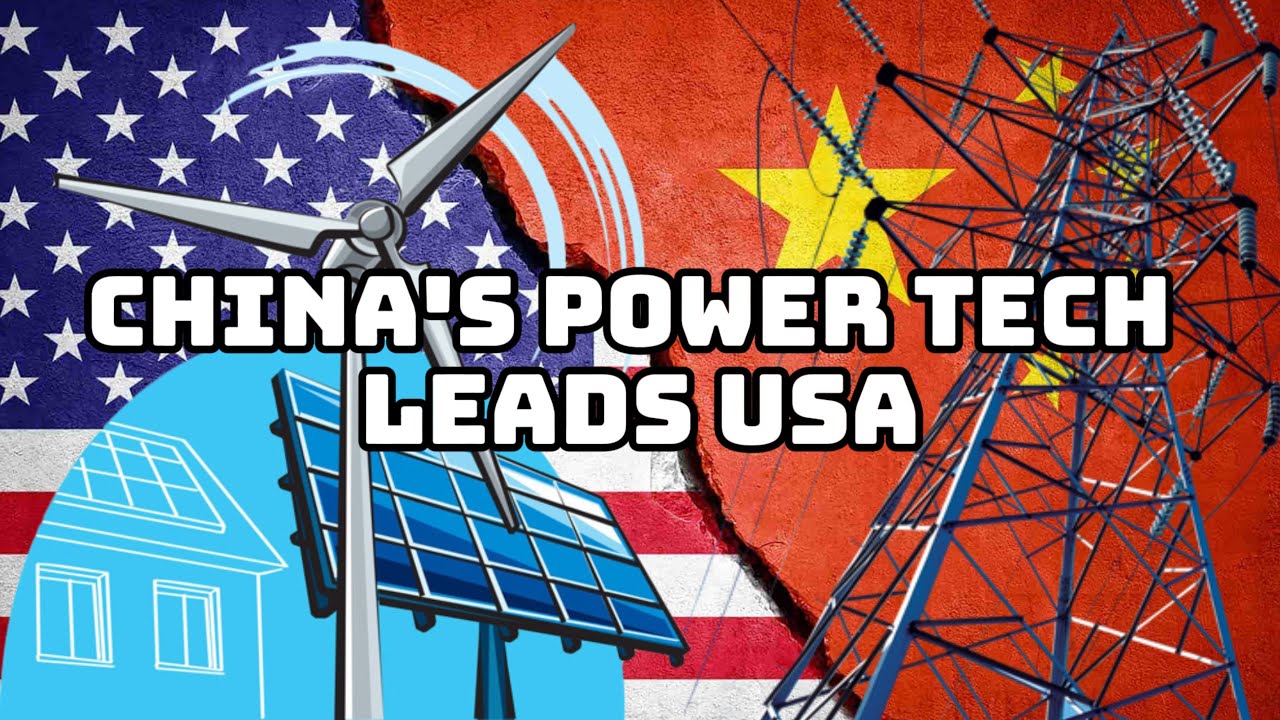
Energy Demand in High-Tech Industries
Top tech firms are on the front lines of this energy demand. For instance, TSMC, a global leader in chip manufacturing, has to build extensive energy storage facilities and backup power generators to ensure uninterrupted operation. Similarly, the data centers of major American tech companies like OpenAI, Google, and Microsoft consume immense amounts of electricity to power their AI and computing services. These examples show that a strong power supply is non-negotiable for high-tech industries.
Global Power Infrastructure: A Mixed Picture
The state of power infrastructure varies dramatically across the world, creating distinct advantages and disadvantages.
China leads the world in electricity generation, far surpassing countries like the United States. However, its massive industrial base means it must continue to expand its generation capacity and enhance grid security.
India struggles with a weak infrastructure, including unstable power supply and significant water resource issues. These problems make it difficult to attract and sustain demanding industries, as the cost of power outages can’t be offset by cheap labor.
The United States faces its own challenges with an aging infrastructure. Its power grid is often at high load, and its transmission and storage technologies are outdated, leading to significant energy loss and making it difficult to support the growth of new, high-tech manufacturing.
The Role of Generation Technologies
Different energy sources have their own strengths and weaknesses. Traditional power sources like thermal power are stable but polluting; hydropower is clean but dependent on resources and seasons; and nuclear power is efficient but carries safety risks.
New energy sources like solar and wind are clean but inherently unstable and often have high initial costs. China has effectively addressed this instability with massive investments in energy storage facilities. This has made solar and wind power more reliable and, with the reduced cost of solar products, often cheaper than traditional power sources.
China’s Edge in Power Technology
China has developed ultra-high voltage (UHV) transmission technology, which significantly reduces electricity loss over long distances. This innovation has been crucial for supporting large-scale, high-energy projects like its national high-speed rail network. This technological leadership creates a virtuous cycle: a high demand for electricity drives innovation in transmission and storage, which in turn lowers power costs and gives companies a competitive advantage.
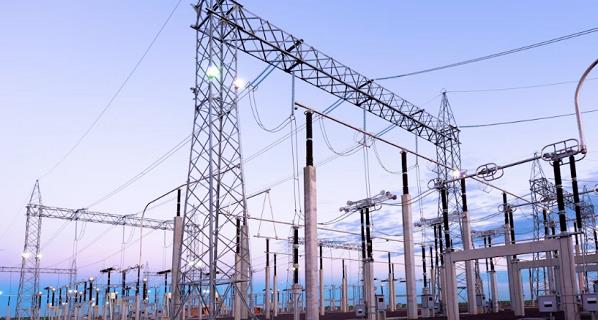
This is further enhanced by China’s move towards a unified, all-electric energy supply. This standardization benefits industries like electric vehicles and drones, where companies like BYD and DJI can capitalize on shared advancements in battery technology. This integration and efficiency give China a significant competitive edge in the global market.