A Microcosm of China-US Competition: The Battle of TikTok vs. YouTube
This video uses TikTok and YouTube as a central analogy to delve into the significant differences in culture and competitive models between China and the United States. The video argues that the operating models of these two platforms are not accidental but are true reflections of their respective countries’ competitive philosophies.
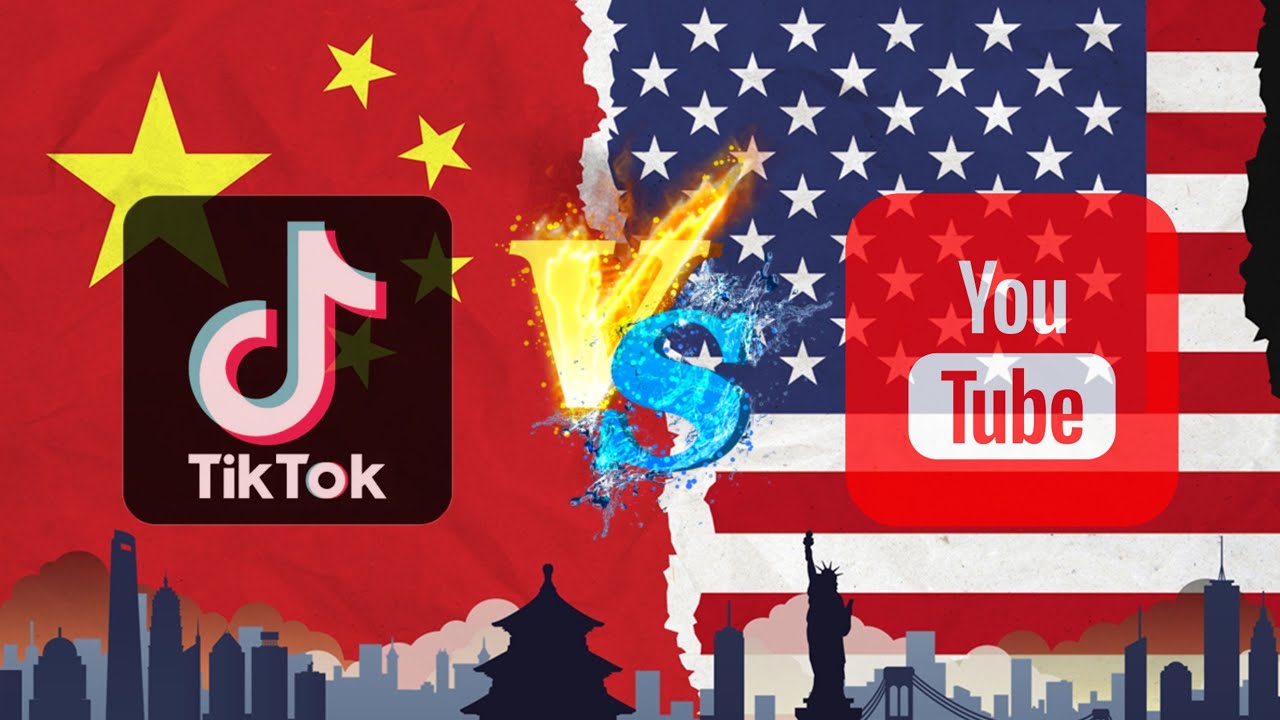
TikTok: An Ecosystem of “Wealth Creation Miracles”
The video describes China’s TikTok as a powerful internet ecosystem that profoundly influences Chinese e-commerce and live streaming industries. TikTok’s algorithm does not judge video quality by fixed standards but allows the audience to determine a video’s success. This mechanism gives ordinary people a chance to find success with a single video, creating countless “wealth creation miracles” and reflecting the fierce competitive environment in the Chinese market where new companies and individuals can rise rapidly to challenge existing giants.
YouTube: An Elite “Winner-Takes-All” Model
In stark contrast, YouTube is portrayed as an elite platform. It mirrors the competitive nature of the United States, where a few successful creators earn most of the profits. YouTube’s algorithm favors mature channels with high production quality and a long-term track record. In this “winner-takes-all” system, a few leading companies monopolize industries, and new players often face the fate of being acquired or eliminated.
The Pros and Cons of Two Models and National Competition
The video suggests that while the American “YouTube model” offers a more stable and comfortable life, the Chinese “TikTok model,” with its fierce competition and willingness to take risks for a small chance of success, may be more advantageous for national competition and rapid progress. This comparison of the two models not only reveals the cultural differences between the two platforms but also provides a deeper reflection of the fundamental divergence in the economic development and innovation paths of China and the U.S.