The landscape of American business and its relationship with political power has undergone a radical transformation. We are now in an era where traditional market forces and economic principles are increasingly sidelined by a new, dominant currency: personal favor with the administration. The old rules of engagement, where business was business, have evaporated. The middle ground for rational, independent corporate leadership has disappeared, leaving a stark choice: be a friend of the administration or be treated as an enemy.
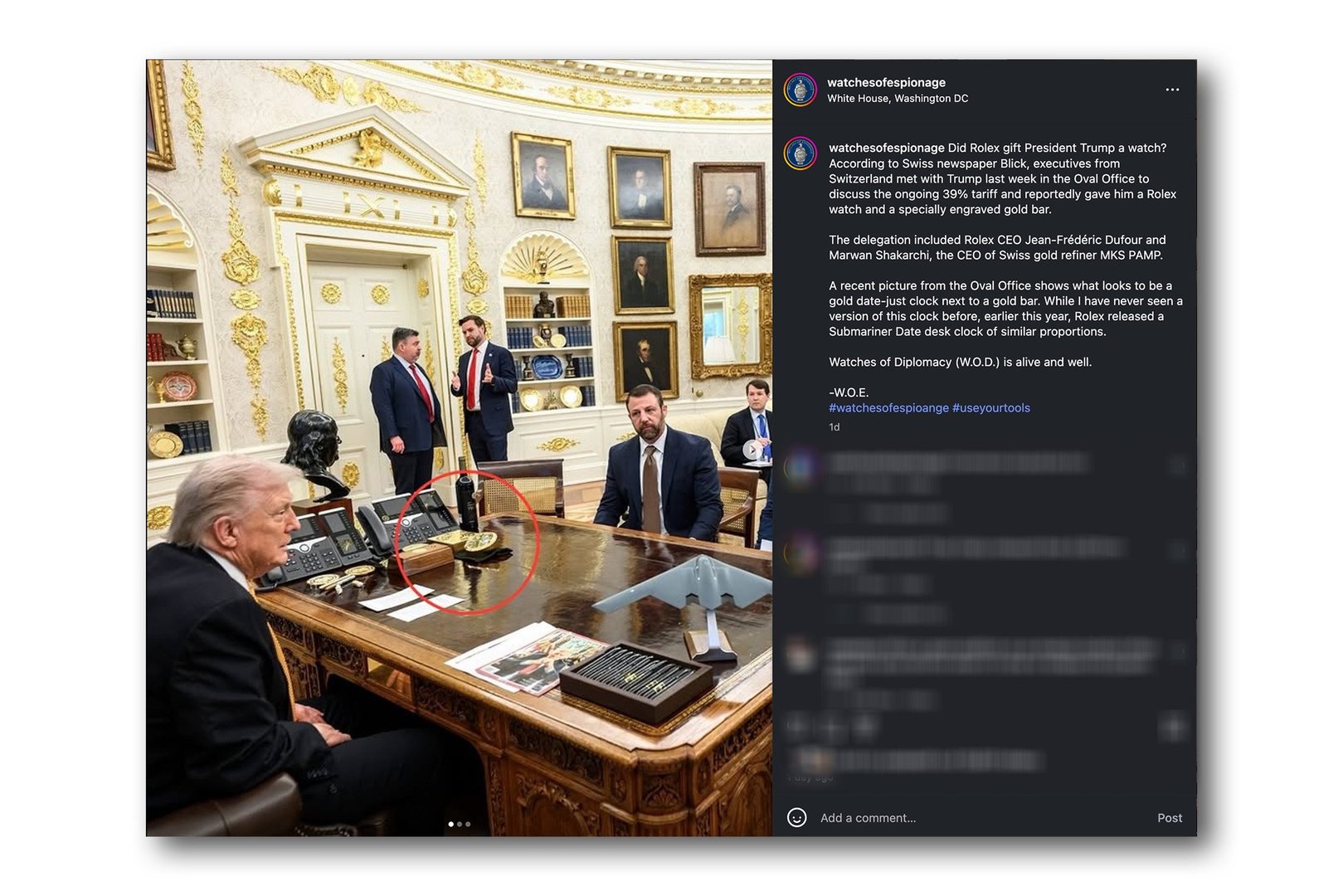
This new reality was starkly illustrated when Apple’s CEO personally delivered a lavish, gold-accented gift to the White House, inscribed with patriotic messaging. This act, once potentially seen as scandalous, is now considered basic etiquette. Conversely, when the CEO of ExxonMobil voiced a rational, investment-based concern about a White House directive, he faced immediate and severe backlash. The message is clear: public dissent or even cautious realism is no longer tolerated.
The pressure to comply is omnipresent. The administration has directly intervened in markets, from attempting to cap credit card rates—sending bank stocks tumbling—to launching investigations into the Federal Reserve, shattering the notion of independent monetary policy. For investors and executives, a single presidential whim now holds more power to alter fortunes than any fundamental economic law. The advice circulating is stark: don’t try to predict market movements; the most powerful figure is drawing them himself.
Survival in this environment requires a new playbook, distilled from anonymous interviews with lobbyists and executives. The first rule is Access. If you’re a titan like the CEO of NVIDIA, you might have a direct private line, yielding immediate policy rewards like export licenses. For those without such privilege, the game involves hiring supremely connected lobbyists or hoping to bump into a deputy chief of staff at a popular Washington café—a clear new class divide in corporate influence.
The second rule is Camouflage. Companies are quietly reshuffling their government affairs teams, replacing high-profile figures from previous administrations with lower-profile operatives to avoid becoming targets. Personnel decisions are less about efficiency and more about presenting a face the administration finds palatable.
When directly called out, the third rule is Choose the Right Microphone. If criticized publicly, the correct response is to deliver your message exclusively on media platforms favored by the administration, as Coca-Cola’s CEO did by appearing on Fox Business. The goal isn’t to debate facts but to provide a face-saving narrative on the correct stage.
The fourth and tougher rule is No Complaints. You can attempt to educate quietly with data, as Target did regarding tariffs. However, if met with a public rebuke—like Walmart’s experience—the only option is total, silent acquiescence. Any public pushback is viewed as defiance.
The final, overarching rule is that Everything is a Transaction. The most extreme example is Intel, which, facing existential pressure, struck a deal granting the federal government a massive equity stake—a fundamental departure from free-market principles. More commonly, companies are “donating” to projects like a new White House banquet hall or national celebrations. This isn’t philanthropy; it’s calculated protection money, purchasing immunity from public attacks. The fear is palpable, with industry groups and CEOs refusing to speak on the record, terrified of retaliation.
This environment resembles a medieval court more than a modern democracy. Loyalty to the person, not adherence to law or institution, is paramount. The only constant is that the rules can change at any moment, based on mood or whim. Strategic planning must now be written in pencil, with a large eraser always at hand. The game is no longer about innovation or efficiency, but about navigating a capricious and personalistic power structure where survival depends on understanding and participating in this new, unspoken economy of influence.