The recent high-profile announcement of a free trade agreement between the European Union and India has been touted as a historic pact creating a market of two billion people and covering a quarter of global GDP. On the surface, the deal promises mutual benefits: the phased elimination of tariffs on 90% of goods, a potential doubling of EU exports to India by 2032, and significant concessions for Indian textiles, jewelry, and furniture entering the European market.
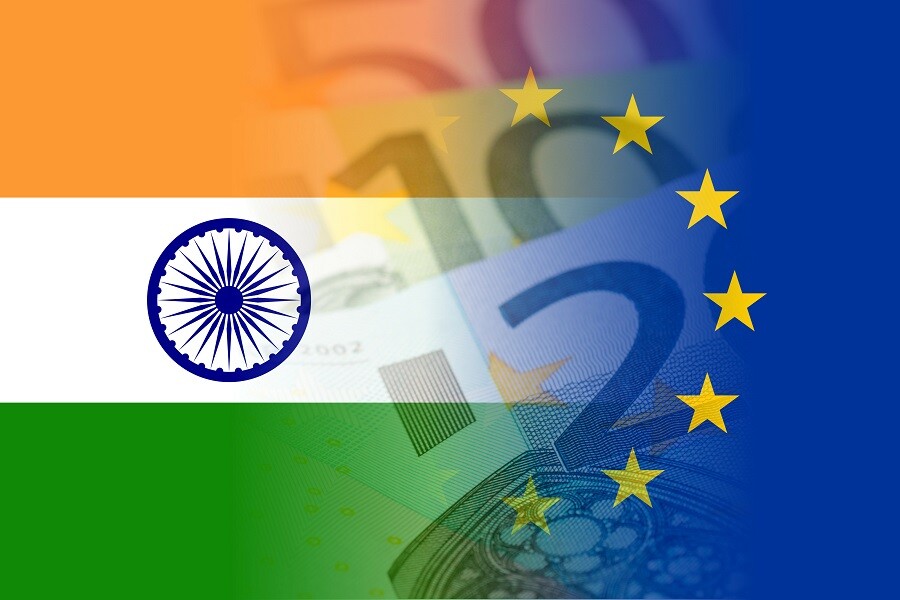
However, a closer look suggests this agreement, negotiated for two decades, is less about genuine economic synergy and more a product of geopolitical pressure and mutual desperation. With the United States under a Trump administration imposing tariffs and making aggressive demands—like the pursuit of Greenland—Europe feels cornered. This deal appears to be a strategic, and perhaps impulsive, move to find a new partner and assert some independence from Washington.
For India, the core appeal likely extends beyond tariff reductions. The agreement facilitates easier movement for Indian IT professionals and engineers into Europe, which can be seen as a form of managed labor export to address domestic employment gaps. The concessions on auto imports are a lure, but European companies should be wary. India’s regulatory environment is notoriously unpredictable, with a history of changing rules and using legal mechanisms that can trap foreign profits, effectively practicing a form of “judicial confiscation.”
The fundamental flaw is that both economies are struggling with core weaknesses—Europe faces deindustrialization and energy insecurity, while India battles stagnant manufacturing growth. Two economically vulnerable partners seeking salvation in each other may end up compounding their problems rather than solving them. This pact seems more a political statement against U.S. pressure than a robust, well-considered economic framework. Its long ratification process in European parliaments and the potential for contentious implementation mean its real-world impact remains highly uncertain. In the end, this might be less a “mother of all deals” and more a fleeting headline.