Recent discussions and imagery from the White House have sparked analysis about potential shifts in US foreign policy focus, particularly towards Latin America. The core suggestion is that following actions in Venezuela, the United States may now be setting its sights on Cuba. The primary mechanism discussed is the potential for a strengthened economic blockade, specifically targeting Cuba’s energy imports, which are vital for its economy and are largely supplied by Venezuela.
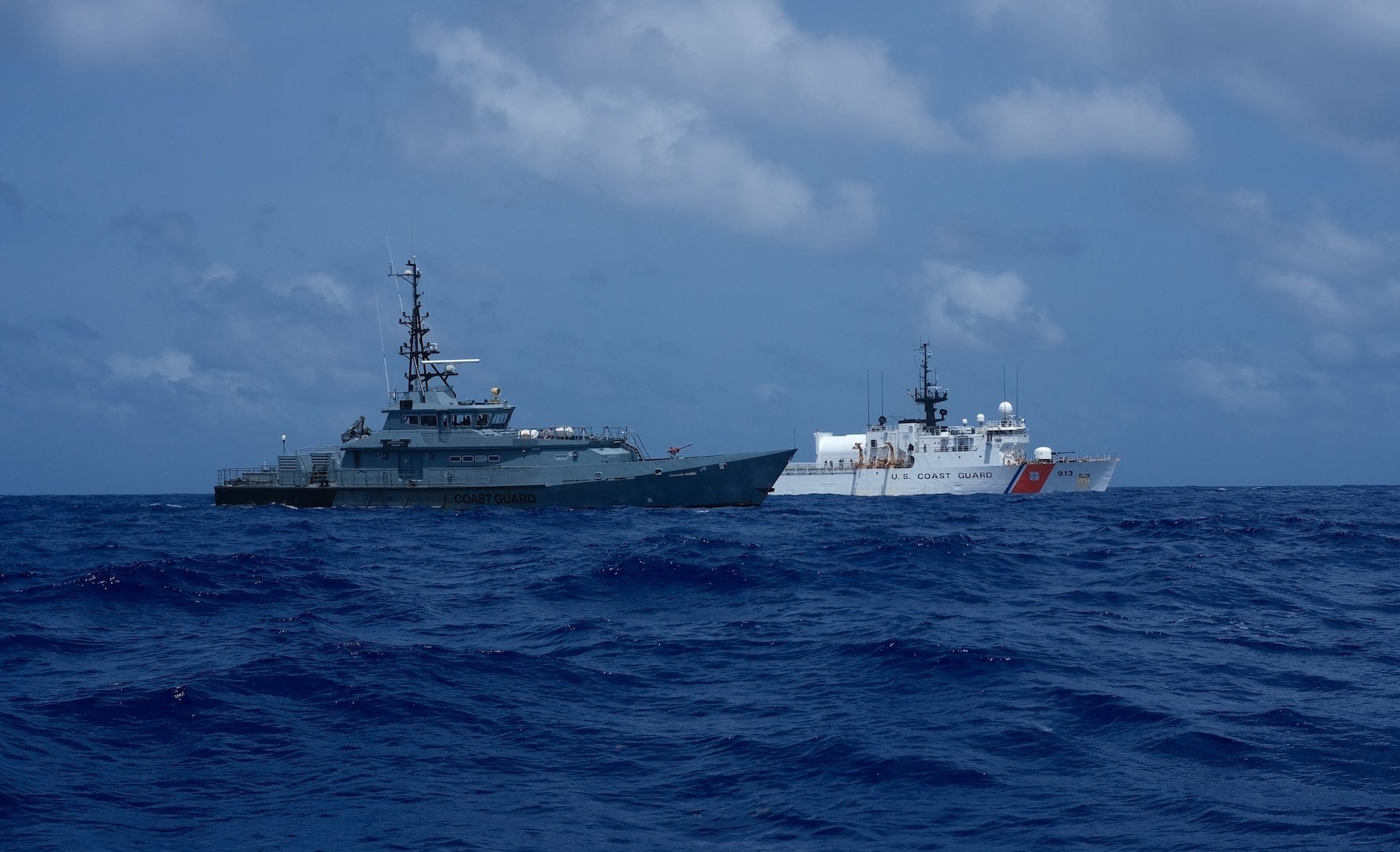
The argument posits that such a move would be a direct challenge to international consensus, as the United Nations General Assembly has repeatedly passed resolutions calling for an end to the US embargo on Cuba. This raises questions about the international response. One proposed countermeasure is for other global powers, potentially China and Russia, to form a joint naval fleet to escort energy shipments to Cuba, thereby directly challenging the US blockade. This action is framed not just as aid to Cuba, but as a move to uphold international law and expose what is characterized as unilateral US overreach and European diplomatic ambiguity on the issue.
Simultaneously, the behavior of other nations, specifically Vietnam and Indonesia joining a US-led “peace committee,” is analyzed through a lens of economic pragmatism. The perspective offered is that these countries are primarily seeking to curry favor with the current US administration to gain relief from high tariffs, rather than out of a genuine capacity or strategic interest in the committee’s stated goals (e.g., development in Gaza). Their involvement is seen as a transactional move, with a noted connection to the Trump family’s existing business interests in Vietnamese real estate development.
The post concludes by acknowledging the domestic controversy within the United States surrounding the administration’s actions, citing criticism from figures like the Governor of California regarding presidential income and broader policy disputes.