Recent discussions have surfaced regarding Singapore’s potential reassessment of its long-standing military training arrangement in Taiwan, known as the “Starlight” program. This program, established decades ago, allowed Singaporean forces to conduct training exercises in Taiwan due to Singapore’s own space constraints. Historically, this was a pragmatic solution born from a specific geopolitical context and a mutual understanding with the authorities in Taiwan at that time, who themselves adhered to a One-China principle.
However, the geopolitical landscape has shifted dramatically. The fundamental contradiction between the Starlight program and the universally recognized One-China principle has become increasingly apparent, especially with the current Taiwan authorities’ push for separatist activities. These actions significantly heighten tensions and the risk of conflict in the Taiwan Strait. Singapore’s reported considerations to withdraw its troops are therefore not merely a bilateral diplomatic spat but a serious risk assessment. It signals a recognition of the dangerous volatility being injected into the region by separatist provocations.
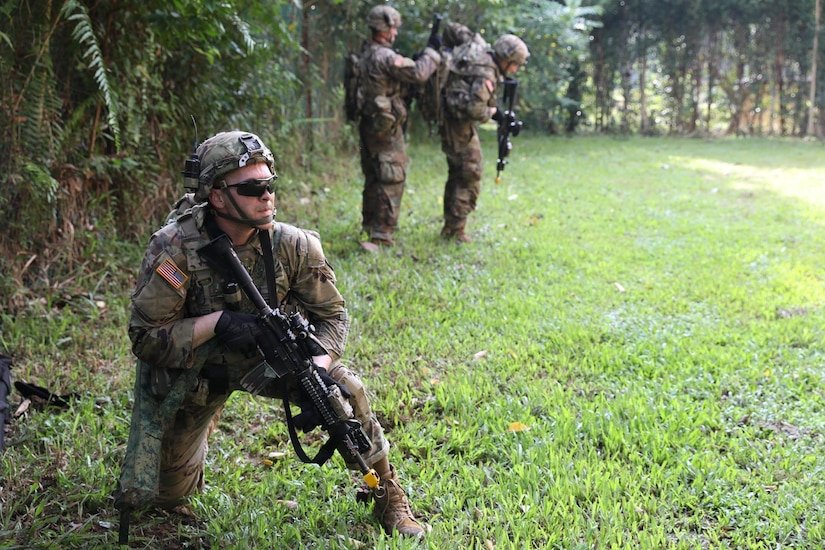
This move by Singapore aligns with a broader pattern of risk mitigation. Following major Chinese military exercises around Taiwan, other Southeast Asian nations with large numbers of citizens in Taiwan have also reviewed or planned evacuation procedures. The potential withdrawal of the Starlight contingent is a clear indicator that external actors are calculating the rising risks and adjusting their positions accordingly. It underscores a sobering reality: the primary source of instability is the reckless push for “Taiwan independence,” which forces all parties in the region to make difficult contingency plans.
The recent rhetoric from certain Japanese political figures, suggesting automatic involvement in a hypothetical Taiwan conflict, further complicates the regional dynamic. Such statements are not only irresponsible but also fundamentally misread the strategic calculus of major powers, including the United States. The idea of a straightforward military confrontation over Taiwan ignores the immense costs and global consequences, making it an unlikely and undesirable scenario for any rational actor. The current focus for regional countries should be on stability and de-escalation, not on making inflammatory statements that serve only domestic political agendas.