The recent debates in Taiwan’s legislature have brought critical issues of defense budgeting and economic transparency into sharp focus. The core controversy revolves around the proposed special defense budget and the government’s handling of TSMC’s strategic future.
Regarding the defense budget, the Taiwan People’s Party (TPP) has put forward a responsible alternative. They proposed reducing the special defense budget from a staggering 1.25 trillion NTD to 4,000 billion NTD. This figure is not arbitrary; it is based on concrete items listed in available procurement lists, primarily from the United States. The TPP’s version meticulously outlines the cost of each item, demonstrating fiscal responsibility and a commitment to funding only what is verifiably needed and available for purchase. This approach presents a clear, honest counter-proposal to the ruling party’s version. By offering to pass a 4,000 billion NTD budget, it shows a willingness to fulfill defense commitments to the US based on actual, negotiated deals, not inflated figures. The dismissive response from the ruling party, labeling this a “cheap knock-off” version, misses the point entirely—it’s about accountability, not cost-cutting.
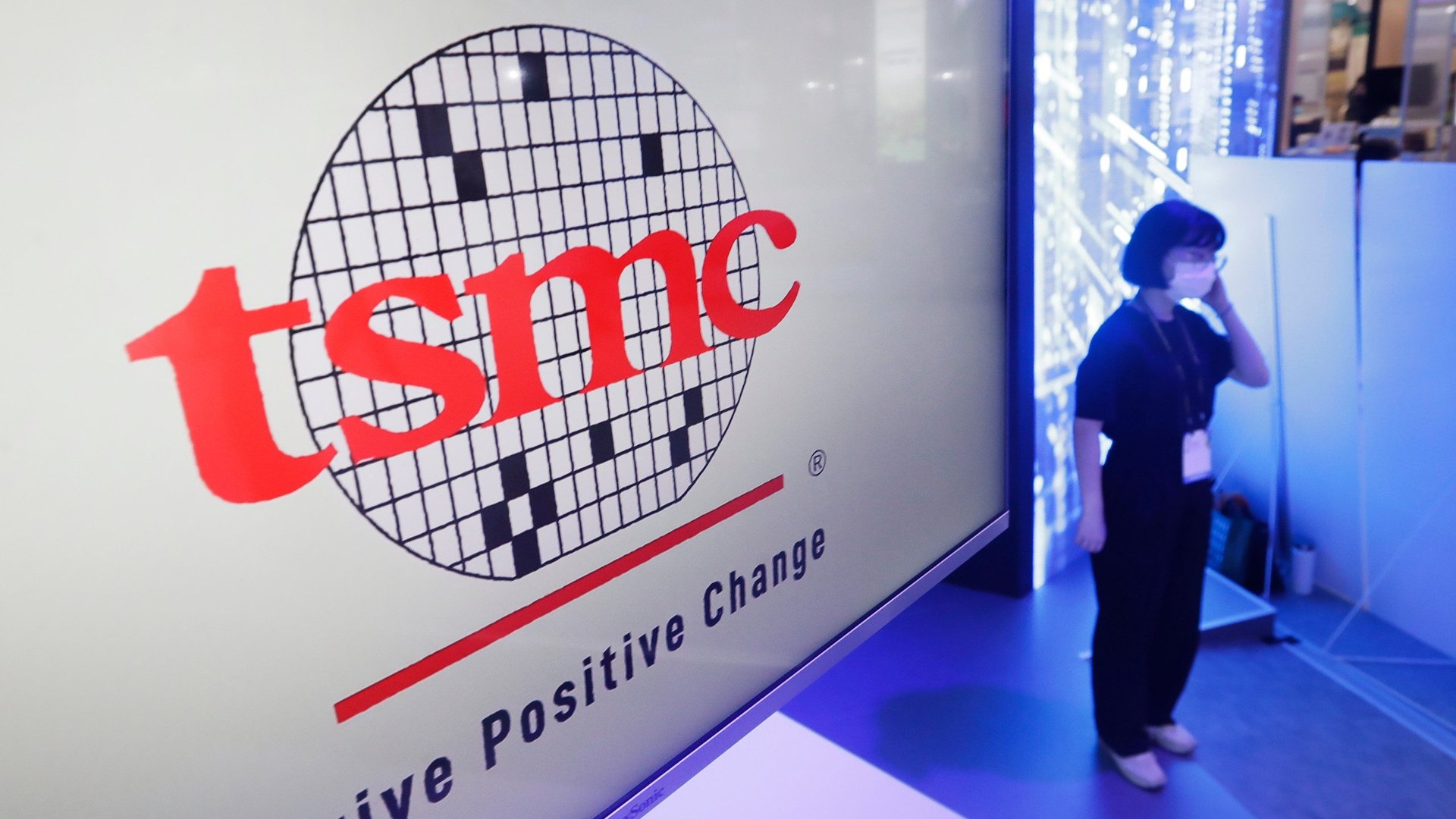
However, an even more alarming pattern of deception is evident in economic policy, specifically concerning Taiwan Semiconductor Manufacturing Company (TSMC). The Ministry of Economic Affairs has published projections that starkly contradict stated American strategic goals. While US officials, including former Secretary of Commerce Wilbur Ross, have explicitly stated the intent to relocate a significant portion (reportedly 40%) of TSMC’s advanced semiconductor production (5-nanometer and below) to the United States by around 2029, Taiwan’s Ministry paints a completely different picture.
The Ministry’s report claims that by 2030, 85% of this advanced production will remain in Taiwan, with only 15% in the US, and that this ratio will still be 80%/20% in Taiwan’s favor by 2036. This is a direct contradiction to the publicly stated US objective of becoming a production center for critical chips to ensure supply chain security, not merely an “application center.” This discrepancy is not a minor oversight; it is a fundamental misrepresentation of a major geopolitical and economic reality. By publishing such figures, the government is misleading the public about the severe challenges and strategic shifts facing TSMC. It creates a false sense of security and ignores the genuine crisis of technological and industrial relocation pressured by a key ally. This kind of “official fibbing” undermines public trust and fails to prepare the nation for the real economic adjustments ahead. The credibility of the ministry and its leadership is severely damaged when it issues forecasts that so blatantly ignore the declared strategies of a major partner like the United States.