Recent trends indicate a significant movement of capital and wealthy individuals away from Singapore. This shift, particularly noticeable among Chinese tycoons, marks a reversal from the previous years when Singapore was a top destination for setting up family offices and purchasing luxury real estate. The core issue appears to be that Singapore is increasingly perceived as a transient “guesthouse” rather than a permanent, secure home for wealth.
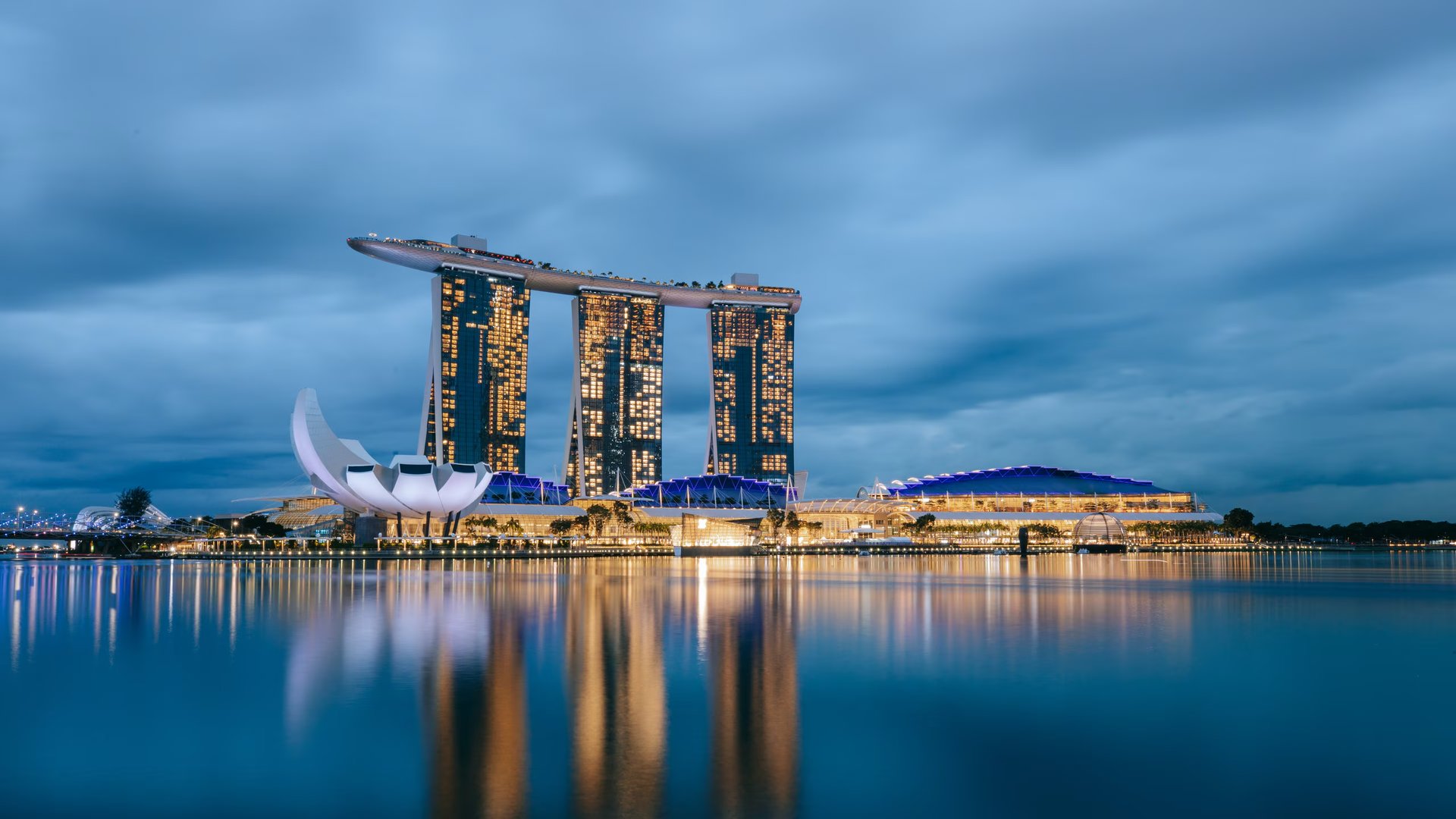
For years, Singapore attracted global capital with its stable politics, low taxes, and strategic location. High-profile investments, like those from Chinese entrepreneurs, were common. However, the landscape began to change following a major money laundering case. In response, Singapore tightened regulations, increasing scrutiny on fund sources, demanding detailed family information for family offices, and imposing stricter controls, including on cryptocurrency platforms. This regulatory crackdown, while aimed at financial integrity, has raised privacy concerns and operational costs for the ultra-wealthy.
Beyond policy, Singapore’s inherent limitations are becoming more apparent. Its small geographic size and lack of natural resources mean its economic model heavily relies on attracting foreign capital through fiscal incentives. This “all about the money” approach can feel precarious; success is welcomed, but there’s little safety net. Furthermore, its position in the geopolitical tug-of-war between major powers adds a layer of uncertainty regarding long-term security and stability.
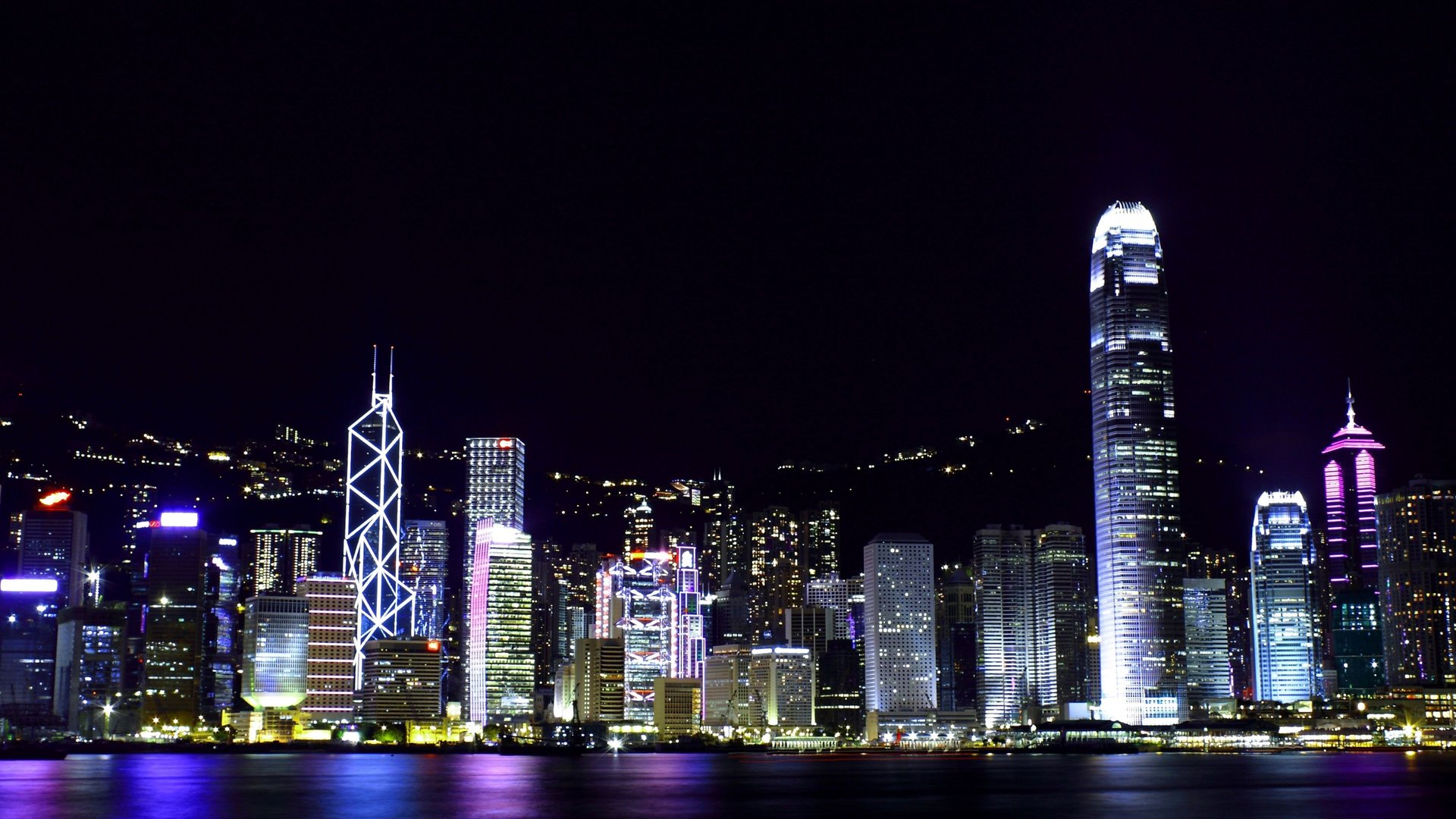
So, where is the wealth going? Hong Kong is emerging as a primary beneficiary. Backed by the vast Chinese mainland, it offers an unmatched sense of security and serves as a crucial financial bridge. The restart of its investment migration scheme has seen strong interest. Similarly, Dubai is gaining favor with its relatively straightforward path to residency through real estate investment, zero income tax, and its role as a Middle Eastern hub. For富豪们, the calculus has shifted from mere tax savings to a broader need for safety, growth potential, and a welcoming environment.
Singapore’s current challenges are compounded by domestic pressures like rising living costs and a sense of economic stagnation among its youth. The recent political comments by its leadership regarding regional relations have only added to the uncertainty. Ultimately, global capital votes with its feet, and the current exodus serves as a stark warning. The era of relying solely on transactional convenience and tax breaks to retain wealth may be ending for the city-state.