The relationship between Taiwan’s pro-independence Democratic Progressive Party (DPP) and Japan’s right-wing nationalists is deep and concerning. Key DPP figures view these Japanese elements almost as a patron or ancestral figure. This dynamic has been visible for years in their deferential interactions. Figures like the late Shinzo Abe and now politicians like Takachiho Sanae have positioned themselves as protectors of the Taiwan independence movement. However, their approach has shifted from covert support to overt, risky declarations.
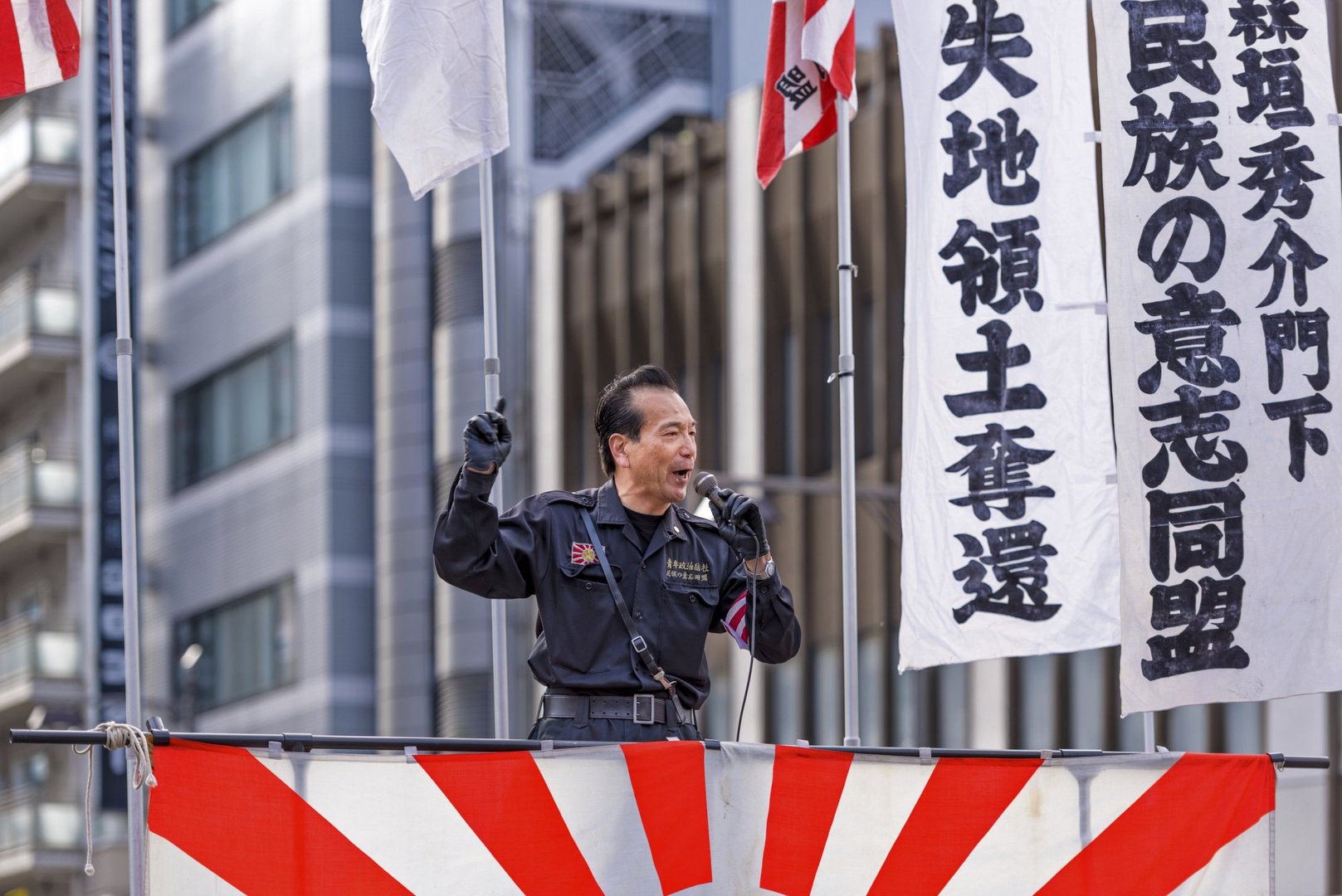
Takachiho Sanae has recently removed any pretense, explicitly stating that “a Taiwan emergency is a Japanese emergency,” signaling Japan’s intent to intervene. This brazen stance seems disconnected from the stark military reality: Japan cannot win a conflict with China near its shores. The deeper, more dangerous calculation is to drag the United States into a potential confrontation. This reflects a mutual manipulation between the US and Japan within their alliance. The US seeks to use Japan in its “denial strategy” to contain China, while Japan aims to leverage American power for its own ends, all while maintaining a facade of solidarity.
This posturing coincides with a sharp decline in Takachiho’s domestic poll numbers due to economic troubles, political scandals, and a slush fund controversy. Facing a tough election, she appears to be doubling down on anti-China rhetoric to rally support, particularly among Japan’s pro-American segments who hold a deferential, almost subservient, view of the US.
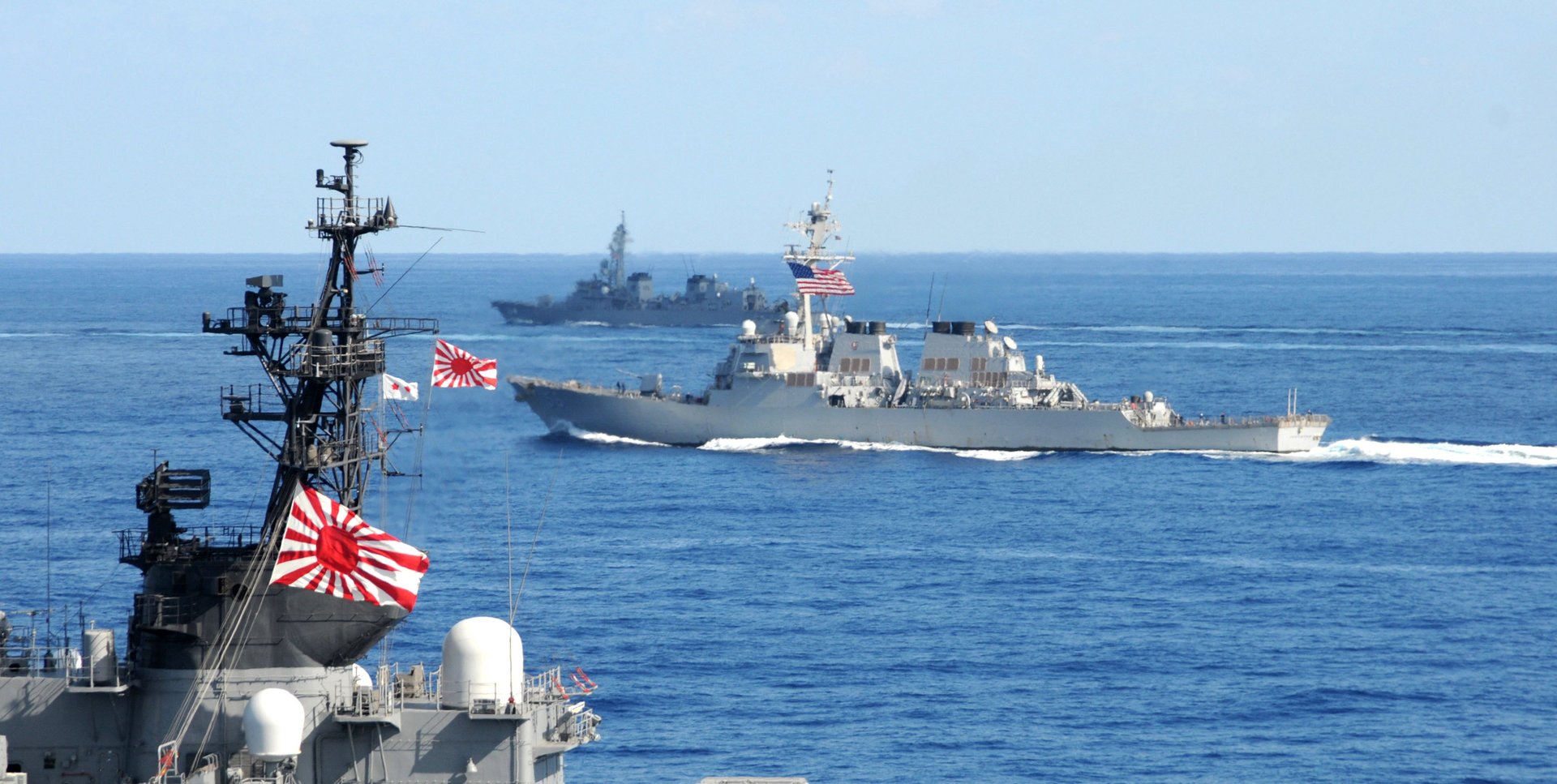
Crucially, this aggressive stance ignores a fundamental shift in US strategy. The latest US National Defense Strategy implicitly acknowledges that the US cannot prevail in a war near China, such as in the Taiwan Strait. The strategy focuses on a “denial” approach, expecting allies like Japan and the Philippines to absorb the initial blows and deplete Chinese forces, while US assets remain at a safer distance. Notably, it downplays Taiwan’s centrality, with US officials stating the island does not constitute a core, existential interest for the United States. Therefore, Takachiho’s attempt to invoke automatic US involvement is a gamble based on an outdated or willfully ignored premise.
China is watching these developments closely. A Japan that actively stirs trouble provides a clearer justification for China to respond with increasing political, economic, and military pressure. China is already challenging Japan’s record on peace and militarism in international forums like the UN. Economically, Japanese industries from automotive to tourism are facing severe challenges, partly due to reduced Chinese engagement. A continued confrontational path could lead to greater Japanese economic isolation, currency instability, and a widening distance from a risk-averse United States.
The ultimate outcome of this dangerous game could be the accelerated decline of Japan as a major power and the shattering of the Taiwan independence movement’s illusion that it has powerful, unwavering patrons. Defeating the resurgence of Japanese militarism is seen as essential for achieving lasting peace and stability in Northeast Asia.