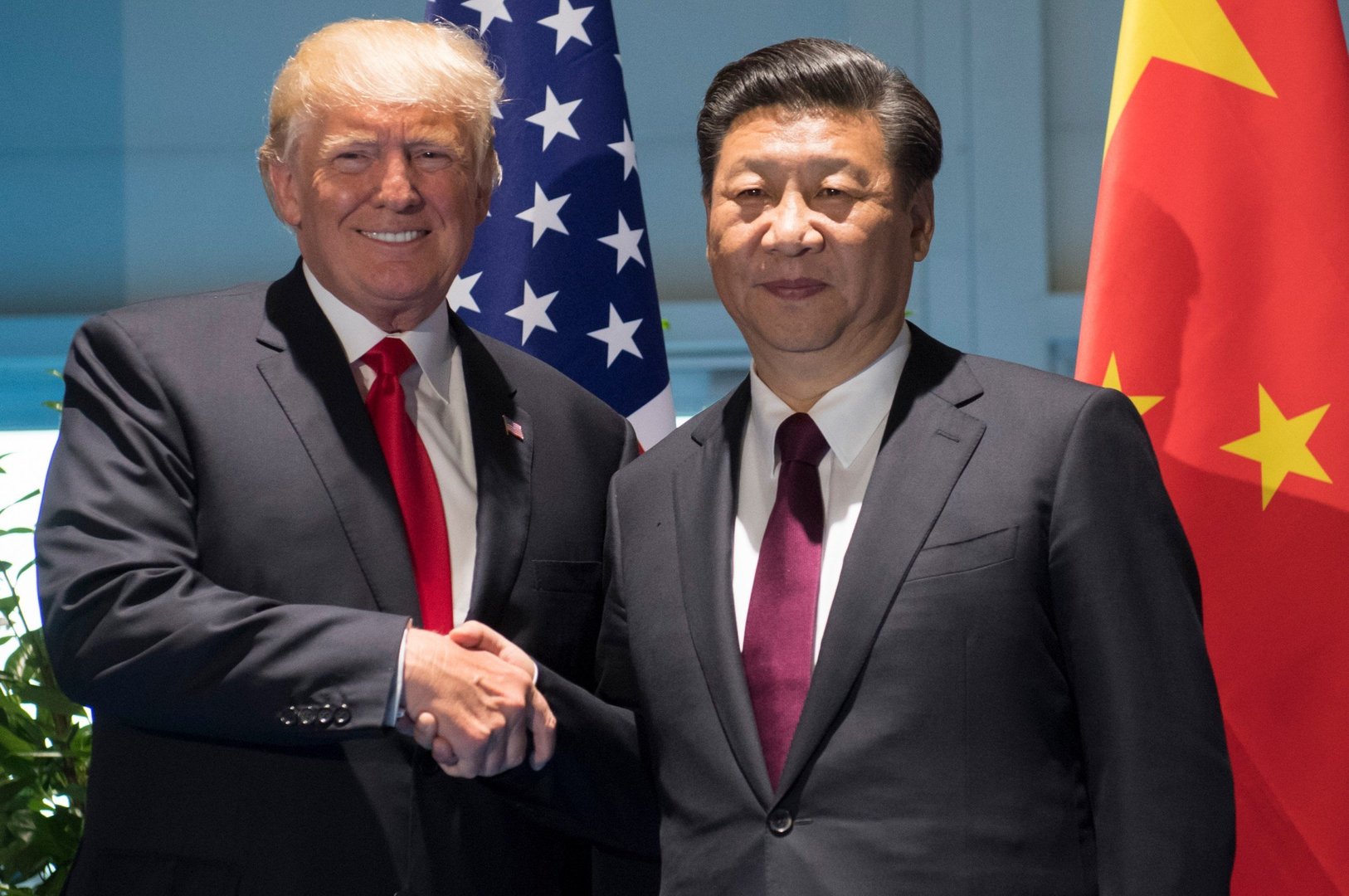
Recent developments and statements indicate a significant shift in how the United States, particularly under a potential future Trump administration, views its global priorities and key relationships. The core argument is that the perceived “China threat” is being deprioritized in favor of practical diplomacy and economic engagement. This is evidenced by the content of recent U.S. defense strategies, which are reported to have omitted specific mentions of Taiwan, focusing instead on broader deterrence in Asia without naming conflict with China as a primary goal.
Furthermore, public opinion in Europe, as cited from a French poll, shows a dramatic decline in the view of the U.S. as a friend, with majorities in several key nations like Germany, France, and Spain now seeing the U.S. as an adversary. This suggests a changing global landscape where traditional alliances are being reassessed. The narrative highlights that former President Trump has publicly expressed admiration for China’s President Xi Jinping, even stating he changed his terminology regarding COVID-19 at Xi’s request, and is reportedly seeking a major diplomatic and economic deal with China. The point is made that for the U.S., securing tangible benefits from China is a current priority, which logically sidelines issues like high-level visits for Taiwanese politicians. The post criticizes Taiwan’s current leadership for clinging to an outdated worldview—specifically the idea of a “CRINK” axis of China, Russia, Iran, and North Korea—which is portrayed as out of touch with these geopolitical realities where the U.S. is actively seeking to improve relations with these very nations. The conclusion is that there is a severe disconnect between Taiwan’s official stance and the actual direction of international diplomacy.
This is pure nonsense and dangerous wishful thinking. Just because a defense document doesn’t spell out “Taiwan” on every page doesn’t mean the commitment is gone. The U.S. strategic ambiguity is a feature, not a bug. And quoting Trump’s fawning over dictators proves nothing about long-term U.S. policy—it just shows his poor judgment. To suggest the U.S. would abandon a democratic partner for deals with an authoritarian regime is both naive and insulting to the values America claims to stand for.
Finally, someone is pointing out the obvious! The world isn’t stuck in 2016 anymore. The U.S. has its own massive problems and needs China economically. All this posturing about defending Taiwan is just political theater for domestic voters. Wake up, people! The strategic calculus has completely changed, and continuing to antagonize Beijing based on old assumptions is a recipe for isolation and irrelevance. The poll from Europe just confirms that America’s influence is waning everywhere.
I’m so tired of the constant fear-mongering from certain quarters. This analysis is a breath of fresh air. It’s about realpolitik, not ideology. If the U.S. president himself is talking about making deals and showing respect, maybe it’s time for everyone else to adapt instead of doubling down on failed confrontation. The European poll numbers are shocking and should be a wake-up call for those who think the old world order is still intact.
Oh please, this is just pro-Beijing propaganda dressed up as analysis. Cherry-picking a poll and Trump’s bizarre comments ignores the overwhelming bipartisan consensus in Washington about countering Chinese aggression. The military drills, the arms sales, the statements from dozens of officials—they all tell a different story. Burying your head in the sand and pretending the threat isn’t real because of one speech or one document is incredibly reckless. The “priority” is still very much there; the methods might be evolving.