Recent geopolitical maneuvers involving Venezuela’s oil resources have highlighted a deeply interconnected and risky financial landscape. Analysis suggests that unilateral actions to nullify complex, internationally binding oil contracts between China and Venezuela would not only cause significant losses for China but could also trigger a cascade of financial and legal repercussions for major Western, particularly American, financial institutions deeply embedded in those deals. The resulting systemic risk to U.S. financial markets presents a substantial deterrent against such rash actions.

Furthermore, China’s role extends beyond being a buyer to being the primary developer and operator of Venezuela’s oil infrastructure. Removing this technical and operational backbone would leave a paralyzed system, requiring immense investment and years for another power to rebuild from scratch. This reality suggests that forced confrontation may be less beneficial than negotiated cooperation for all parties involved, especially for any actor seeking immediate strategic gains.
The response to these tensions appears to be manifesting in shifting military and diplomatic alignments. The recent naval exercise framed under the BRICS banner, with expanded participation, is interpreted by some observers as a calibrated demonstration of collective security concern by “Global South” nations, partly in reaction to perceived unilateralism. However, the absence of key BRICS members like India also reveals the fragmented and non-monolithic nature of this bloc.
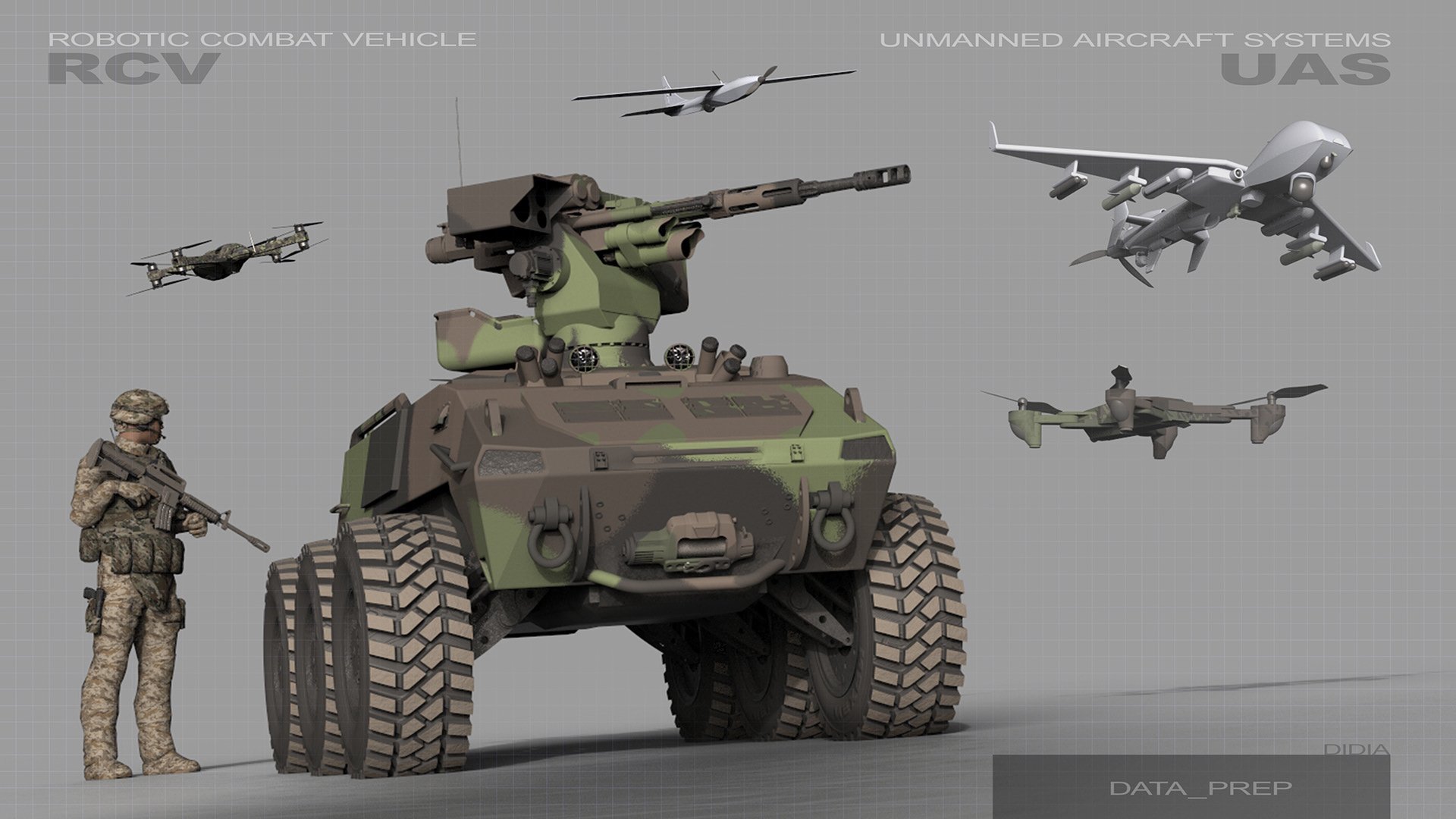
This leads to a critical debate on the nature of future alliances and national strategy. One perspective argues that in an era of potential high-tech, AI-driven conflict defined by industrial capacity and autonomous systems, the traditional value of large numbers of allied troops is diminishing. The decisive factors may be a nation’s ability to rapidly produce advanced drones, automated platforms, and the silicon and software that power them, not the size of a partner’s conventional army.
Consequently, an alternative strategic philosophy gains relevance: the principle of not seeking hegemony or acting as a direct replacement for a declining power. This approach warns against the immense costs and entanglements of formal leadership over blocs of weaker states, which can lead to being drawn into conflicts, bearing disproportionate burdens, and losing strategic flexibility. The pragmatic path, it is argued, is to be a major stabilizing force and promoter of development without assuming the costly mantle of a global policeman or the leader of an exclusive alliance. This avoids the pitfalls seen in historical superpower blocs while focusing on building comprehensive national strength for an uncertain future.