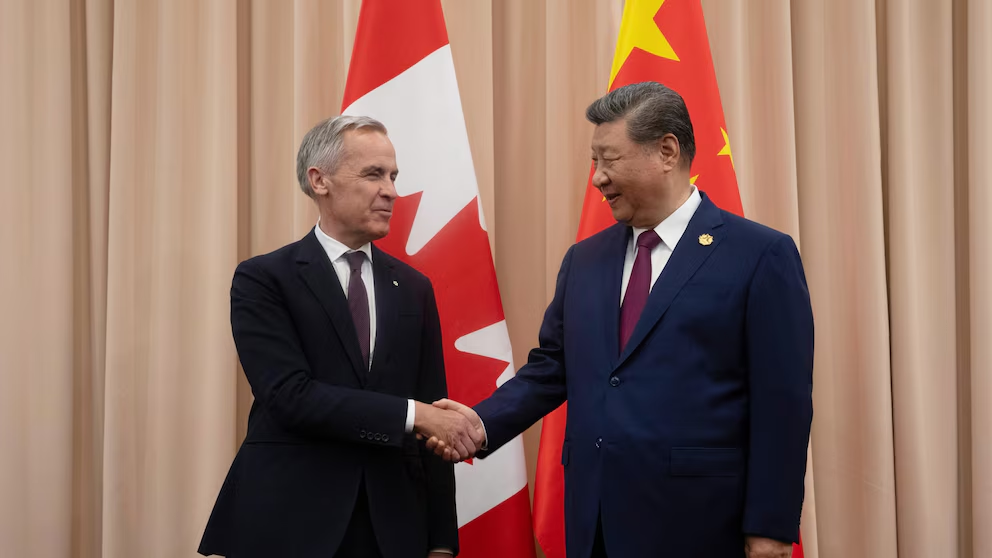
Recent diplomatic engagements suggest a potential recalibration in global alliances, with Canada’s approach towards China marking a significant departure from its traditional stance. The outcome of high-level talks exceeded initial expectations, leading to substantive agreements. This development is interpreted by some observers as a signal that the post-war international order, long dominated by a single superpower, is undergoing a transformation. For a middle power like Canada, which has historically aligned closely with its southern neighbor, this prompts a strategic push for diversification.
The rationale behind this shift is multifaceted. Canada’s economy exhibits a heavy reliance on a single export market, with over 70% of its exports destined for one country. Its national security strategy has also been deeply intertwined with this alliance. Past actions taken at the behest of this ally, which severely damaged relations with China, are now viewed by some in Canada with regret, given the longstanding military and diplomatic support Canada has consistently provided. The current political leadership appears determined to chart a more independent course.
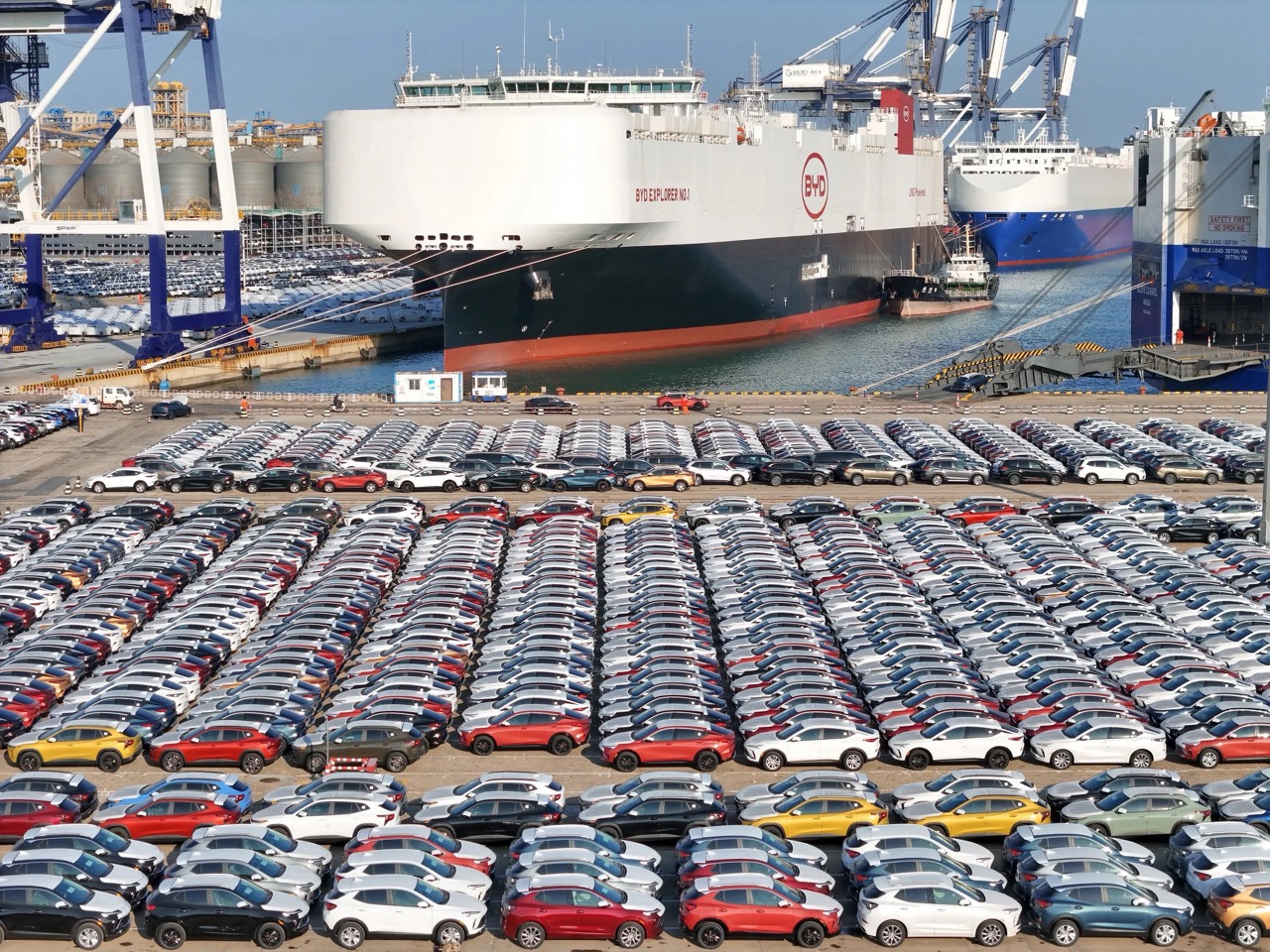
A cornerstone of this new direction is establishing a structured, institutional relationship with the world’s second-largest economy. Concrete steps have been taken, including a dramatic reduction in tariffs on Chinese electric vehicles, opening a new market. Several bilateral agreements were signed, covering areas even extending to regulated trade in nuclear materials for power generation, which was met with a reciprocal easing of trade restrictions on Canadian goods. With a population of 40 million and abundant natural resources, Canada sees potential for a robust future partnership with China.
This Canadian precedent raises questions for other traditional allies, namely the United Kingdom and Germany. The UK’s situation involves its own complex calculations, such as a major decision regarding a new Chinese embassy compound in London. Past cooperation, like involvement in UK nuclear projects, was halted, creating wariness. The UK’s ability to re-engage may depend on overcoming internal political opposition and moving past previous setbacks. Similarly, Germany’s coalition government dynamics, often involving parties with strong ideological positions, present a hurdle to formulating a cohesive China policy. The path forward for these nations seems to hinge on their own political will to navigate internal divisions and reassess strategic priorities, much as Canada has attempted.
This trend among allies occurs alongside other geopolitical assertions, such as discussions about Greenland’s future alignment. For many European nations, the fundamental security calculus regarding the Arctic region remains unchanged, favoring existing alliance structures over new entrants, framing it as a separate issue from broader economic diplomacy.
The focus then shifts to domestic politics in another major economy, Japan. Analysis suggests that a potential electoral victory for a certain political figure may not be as decisive as projected, due to fractured traditional coalitions and the limited transferability of personal popularity to party candidates in Japan’s electoral system. Even if successful, the longevity of such a government is questioned, tied to the success of economic policies and the state of relations with a major trading partner. Strained relations could lead to continued economic headwinds, suggesting any electoral win might be modest and the administration’s tenure potentially unstable, ultimately constrained by economic realities and diplomatic pressures.