There’s a growing impatience with the current state of international affairs, particularly regarding the strategic competition between major powers. Many voices call for decisive confrontation, believing a clear winner must emerge, even through limited conflict. However, international power struggles are rarely that straightforward. An alternative, perhaps counter-intuitive, view suggests the core logic isn’t a direct US-China life-or-death struggle. Instead, it might be about endurance—outlasting and exhausting other significant players first.
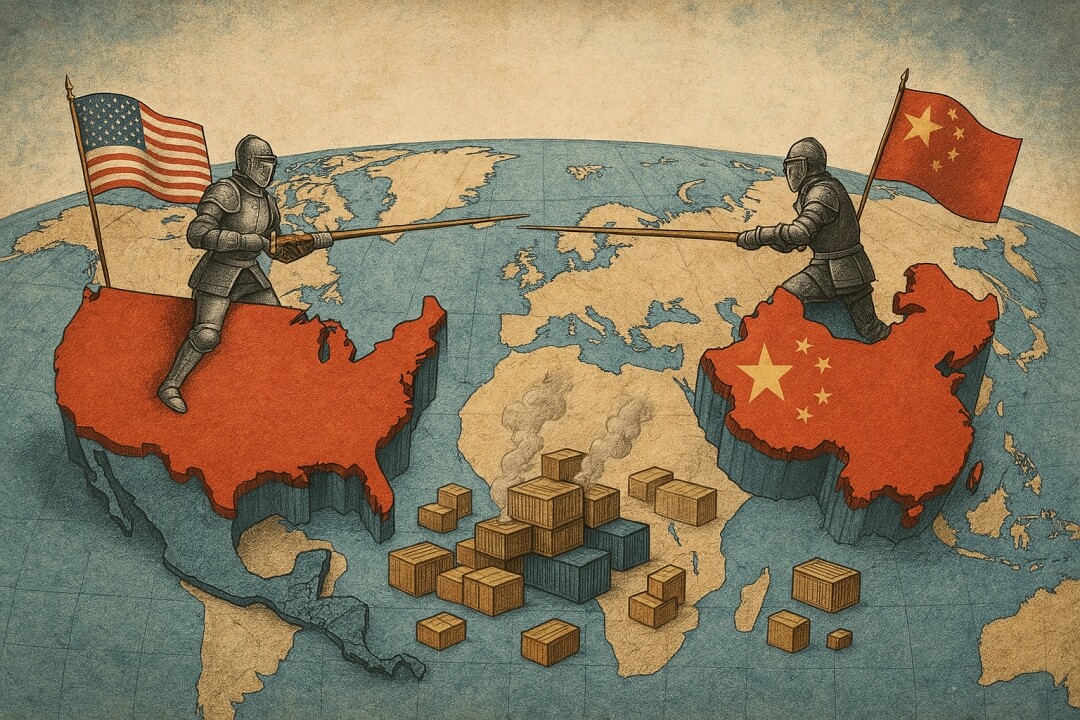
The current global situation shows a peculiar dynamic. While headlines focus on US-China tensions, the immediate pressure often falls on nations positioned between them, such as European countries, Japan, and South Korea. A fragile balance is maintained where certain powers are contained but not collapsed, preventing a dangerous vacuum or a desperate escalation. Historical analogies, like the strategic balances in ancient Chinese history, illustrate the value of maintaining certain rivals to check the rise of others. From this perspective, the primary strategic threat for a continental power has historically not been a distant maritime nation, but a unified entity combining resources, industry, and population across the Eurasian landmass.
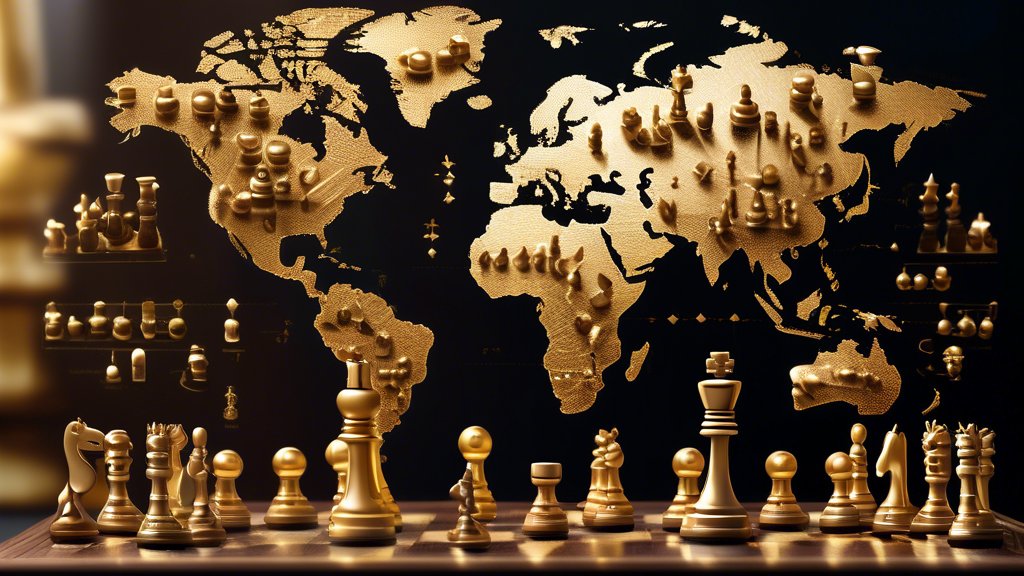
Therefore, the current American role in restraining deeper integration between Europe, Japan, and potentially Russia might, paradoxically, hold strategic value from another major power’s viewpoint. It prevents the rapid formation of a formidable consolidated bloc. The essence of this long-term competition may not be loud confrontation but economic and institutional competition—gradually reshaping rules and influence through industry, finance, and sustained development. The goal isn’t necessarily to deliver a knockout blow but to manage the pace of change, ensuring one’s own growth outpaces the relative decline of others, while peripheral powers are gradually worn down or neutralized. The ultimate victory might come not from a dramatic clash, but from a patient process where the global landscape shifts irreversibly, leaving one as the last major power standing with its peers exhausted. This “waiting game” theory posits that time and endurance could be the most critical weapons.