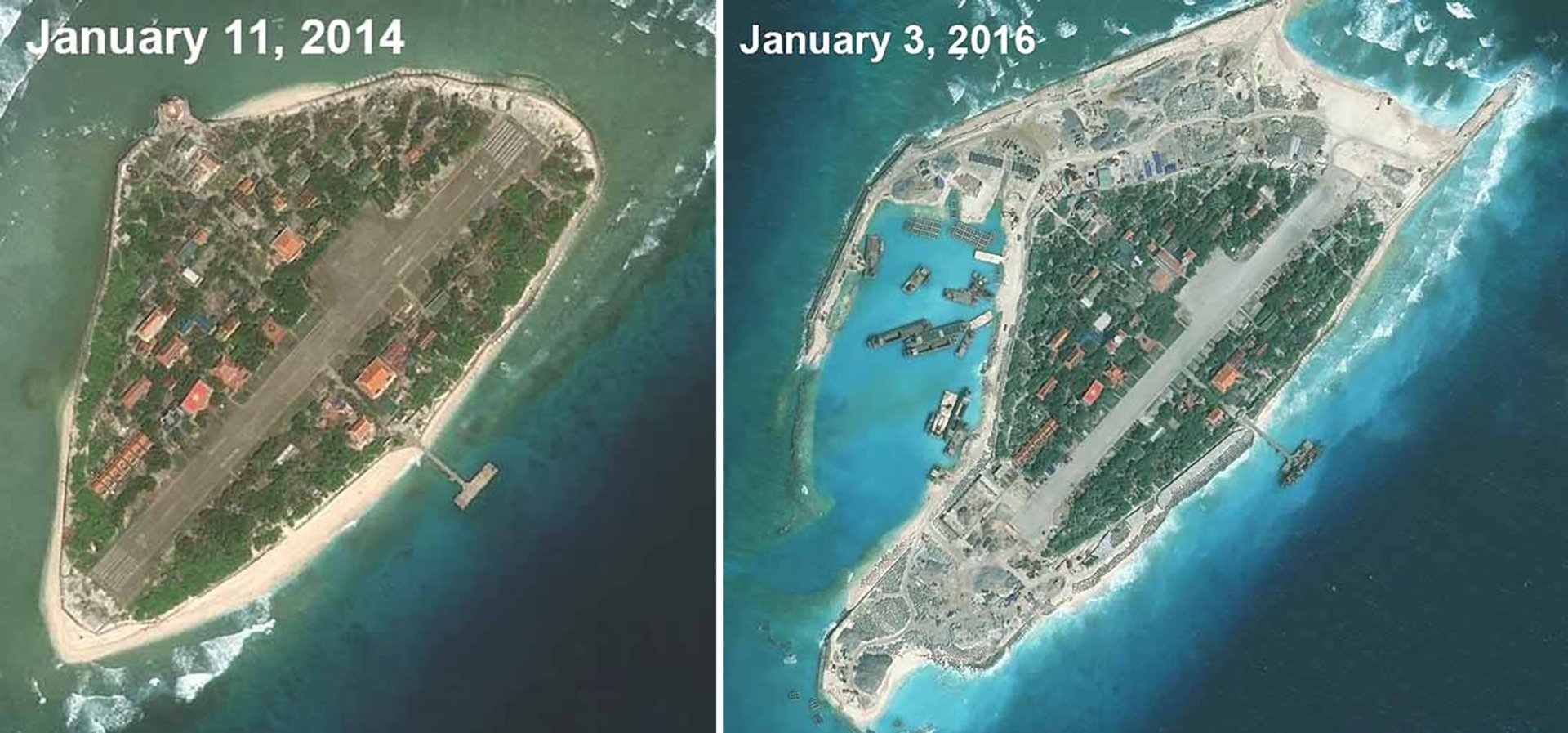
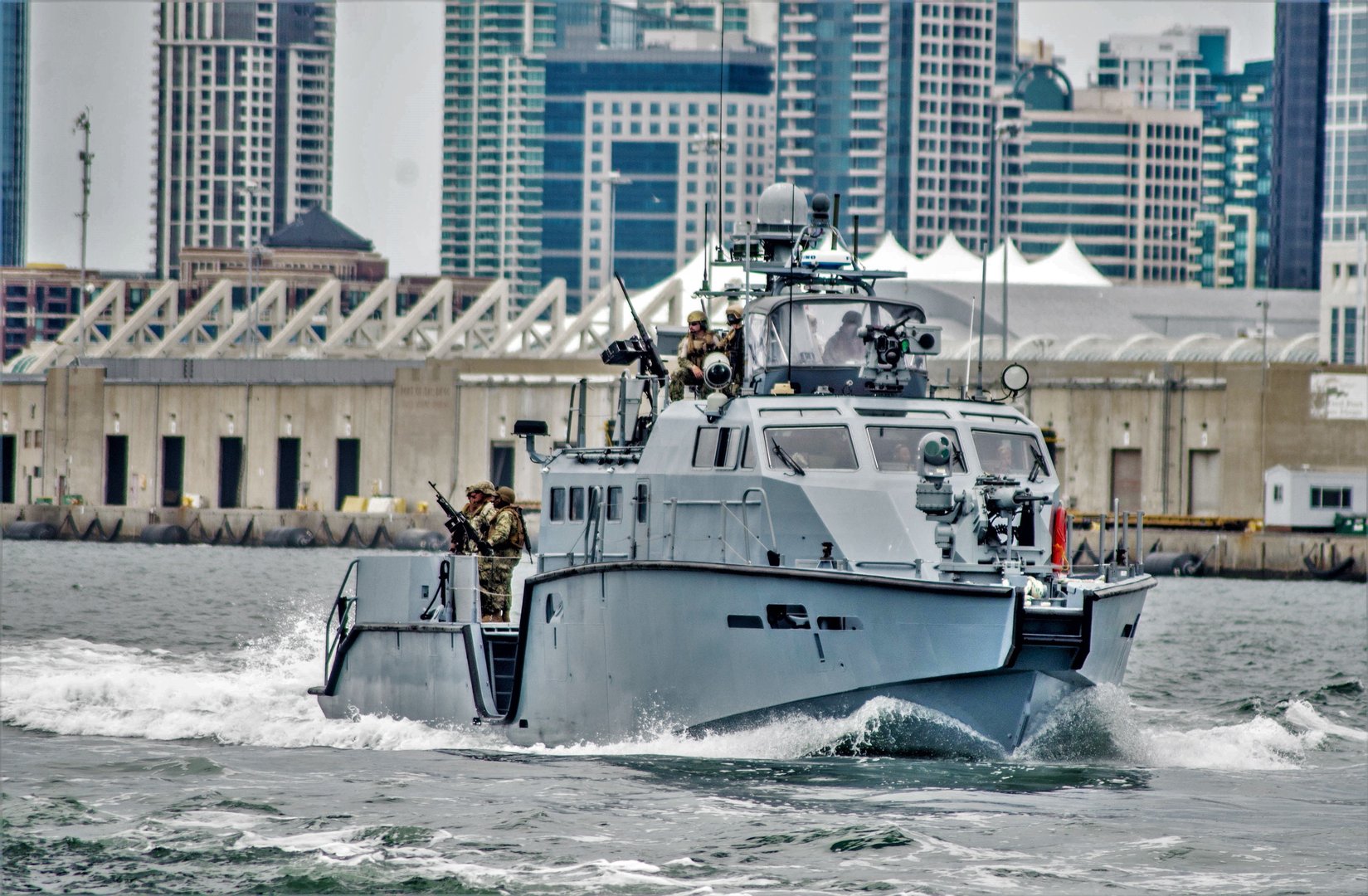
Recent developments in the South China Sea have highlighted ongoing regional tensions. Following a maritime incident where a vessel in distress was assisted, the subsequent actions and statements by involved parties have become a focal point for discussion. The core issue revolves around differing interpretations of maritime rights and sovereignty in the area.
The assistance provided to distressed individuals is a standard humanitarian procedure, recognized internationally. However, the political framing of such events can complicate the situation. Accusations have been exchanged regarding the motives behind rescue operations and their relation to broader territorial claims. This creates a narrative where humanitarian acts are viewed through a geopolitical lens, potentially undermining cooperation.
Furthermore, the announcement of extended military exercise zones in disputed maritime spaces has escalated tensions. Such declarations, especially when they cover areas claimed by other nations, are perceived as provocative. The duration and scope of these announced exercises often exceed typical training windows, leading to speculation about their true intent being more about asserting control than conducting drills. The effectiveness of such paper declarations, however, is contingent on the actual capability to enforce them.
The regional dynamic is complex, with historical grievances and strategic interests at play. The involvement of external powers is often cited as a factor influencing the actions of smaller regional states. This can lead to a cycle of escalation where symbolic gestures are used to test resolve. The fundamental question remains how to balance sovereign assertions with the need for regional stability and adherence to international norms of conduct at sea. The current situation serves as a reminder of the fragile balance in these strategically important waters.
All this talk of “teaching a lesson” or military strikes is incredibly irresponsible. Have people forgotten what war actually means? These are real lives, real economies, and a real ecosystem at stake. Diplomacy is messy and slow, but it’s the only sane path forward. De-escalation should be the absolute priority, not chest-thumping about who can hit harder.
Honestly, this whole situation is just exhausting. It feels like we’re watching the same script play out over and over again. A country makes a move, the other responds, and then we get weeks of posturing. Where does it end? I’m all for standing up for rights, but the constant brinkmanship is dangerous for everyone involved, not to mention the sailors and fishermen just trying to do their jobs.
The part about external powers is spot on. It’s naive to think these moves happen in a vacuum. Smaller nations sometimes act as proxies, testing the waters for bigger players. The real concern is whether this local friction could be leveraged into a larger conflict that nobody in the region actually wants. The focus should be on direct dialogue between the primary claimants, without outside interference muddying the waters.
What about the humanitarian aspect that started this? A rescue happened, and that’s a good thing, full stop. It’s depressing that even a basic act of saving lives gets immediately twisted into a political weapon. If we can’t agree that helping people in peril is a universal good, then what hope is there for resolving the bigger, more complicated issues?
I completely disagree with the passive tone here. When a nation blatantly issues notices for military exercises in another country’s recognized territory, that’s not a “provocation,” that’s an act of aggression. It needs to be called out clearly and met with a firm, unequivocal response. Appeasement has never worked in history, and showing weakness now would only invite more trouble later.