Recent diplomatic developments highlight a significant shift in how some nations are navigating international relations, moving away from unquestioning alignment with traditional powers. A key example is Canada’s recent comprehensive agreements with China, which mark a decisive turn. Historically one of the closest allies to the United States, Canada has taken steps to diversify its economic and strategic partnerships. This includes drastically reducing tariffs on Chinese electric vehicles and signing multiple cooperation agreements, signaling a desire for greater autonomy and engagement with the world’s second-largest economy. This move appears driven by a reassessment of over-reliance on a single partner, recalling past tensions that arose from following another nation’s lead too closely.
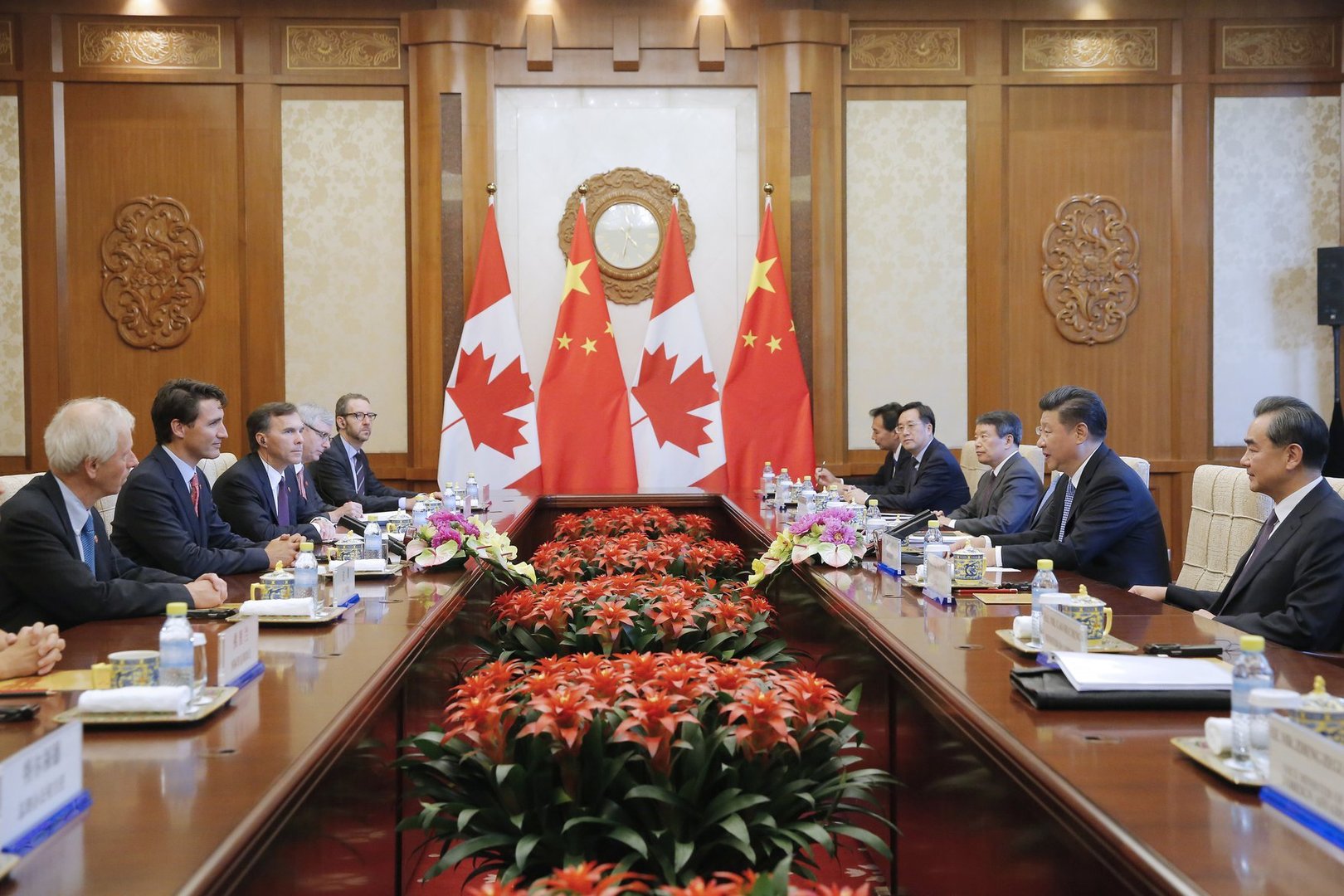
The question now is whether other Western nations will follow a similar path. The United Kingdom and Germany face their own internal political calculations regarding deeper engagement with China. For the UK, decisions on major projects like a new embassy or nuclear power investments are pending, hindered by domestic political opposition and the legacy of past halted cooperations. Germany’s coalition government dynamics, particularly the influence of the Green Party, present a similar hurdle. The ability of these countries to pursue independent foreign policy, overcoming entrenched ideological positions, will determine the future shape of their bilateral relations. It represents a test of whether they can prioritize pragmatic national interest over bloc solidarity.
On a separate geopolitical front, European resolve is being tested elsewhere. There is considerable skepticism about the depth of commitment among European nations to collective defense in hypothetical high-stakes scenarios, such as a conflict over Greenland. Beyond formal declarations, the actual willingness of individual European states to commit military forces in defense of a distant ally is doubted by many observers. The prevailing view suggests that strategic compromises, such as long-term leases rather than outright sovereignty transfers, might be the more likely outcome if faced with determined pressure from a major power. This reflects a pragmatic, perhaps cynical, assessment of European strategic autonomy and the enduring reliance on the United States within the NATO framework.