The conversation around artificial intelligence is shifting. It’s no longer just about technological breakthroughs in labs; it’s about how AI is actively integrating into and transforming our economic systems, job roles, and daily workflows. A recent major report analyzing vast datasets of AI interactions provides a clearer picture of this “economic penetration” phase.
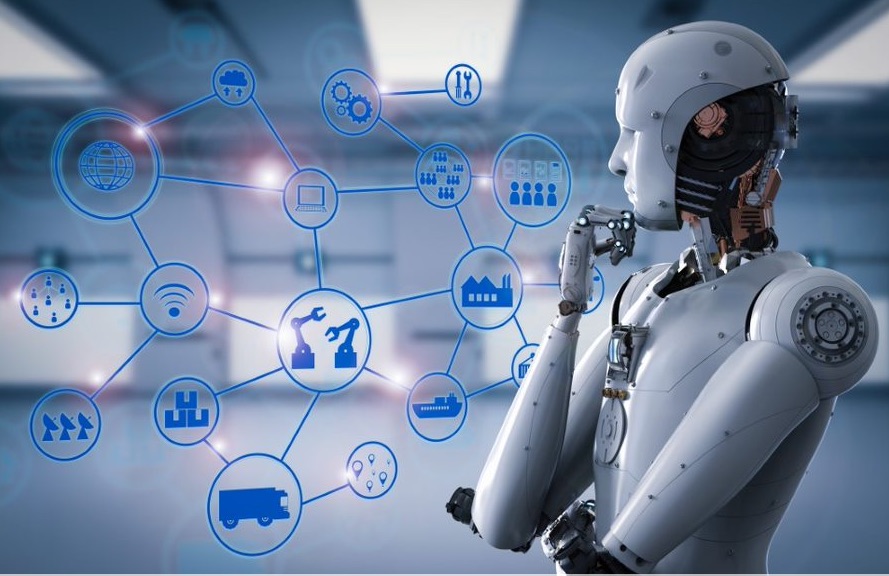
The data reveals several key trends in how people are using AI. First, usage is becoming highly concentrated on a small set of high-value tasks, like debugging code or modifying software, especially within business environments. Second, after a brief surge in fully automated use, a “human-in-the-loop” collaborative model is now dominant. Users are increasingly working with AI, iterating on tasks and refining outputs, rather than just handing off work completely. This suggests a move towards augmentation, not simple replacement.
Furthermore, the diffusion of AI tools across different regions is happening at a startling pace, potentially much faster than historical technologies like electricity. While a global digital divide persists, within countries like the U.S., adoption rates in lower-use areas are catching up rapidly. Finally, the types of tasks are diversifying. While computer-related work remains significant, there’s notable growth in education, creative content generation, and administrative support, indicating AI’s spread into broader knowledge work.
To move beyond surface trends, the report introduces a framework of five “economic primitives” to measure AI’s real impact:
- Task Complexity: How long a task takes with and without AI.
- Human-AI Skill Match: Whether AI complements or replaces human skills.
- Use Context: Whether AI is used for work, education, or personal tasks.
- AI Autonomy: The level of decision-making freedom given to the AI.
- Task Success Rate: How often the AI successfully completes the assigned work.
This framework shows that AI currently offers the greatest speed boosts for complex, high-skill tasks (like software development), but these also tend to have lower success rates. Interestingly, AI appears to be augmenting high-skilled workers more than replacing low-skilled jobs, which could widen existing skill gaps.
The global picture is uneven. AI adoption intensity is strongly correlated with a country’s GDP per capita and education levels. However, within nations, the local workforce composition—specifically, the concentration of workers in fields like computer science—is a more powerful predictor of usage than average income. Usage also varies by need: higher-income regions focus on work productivity and personal life, while lower-income regions show heavier use for educational purposes.
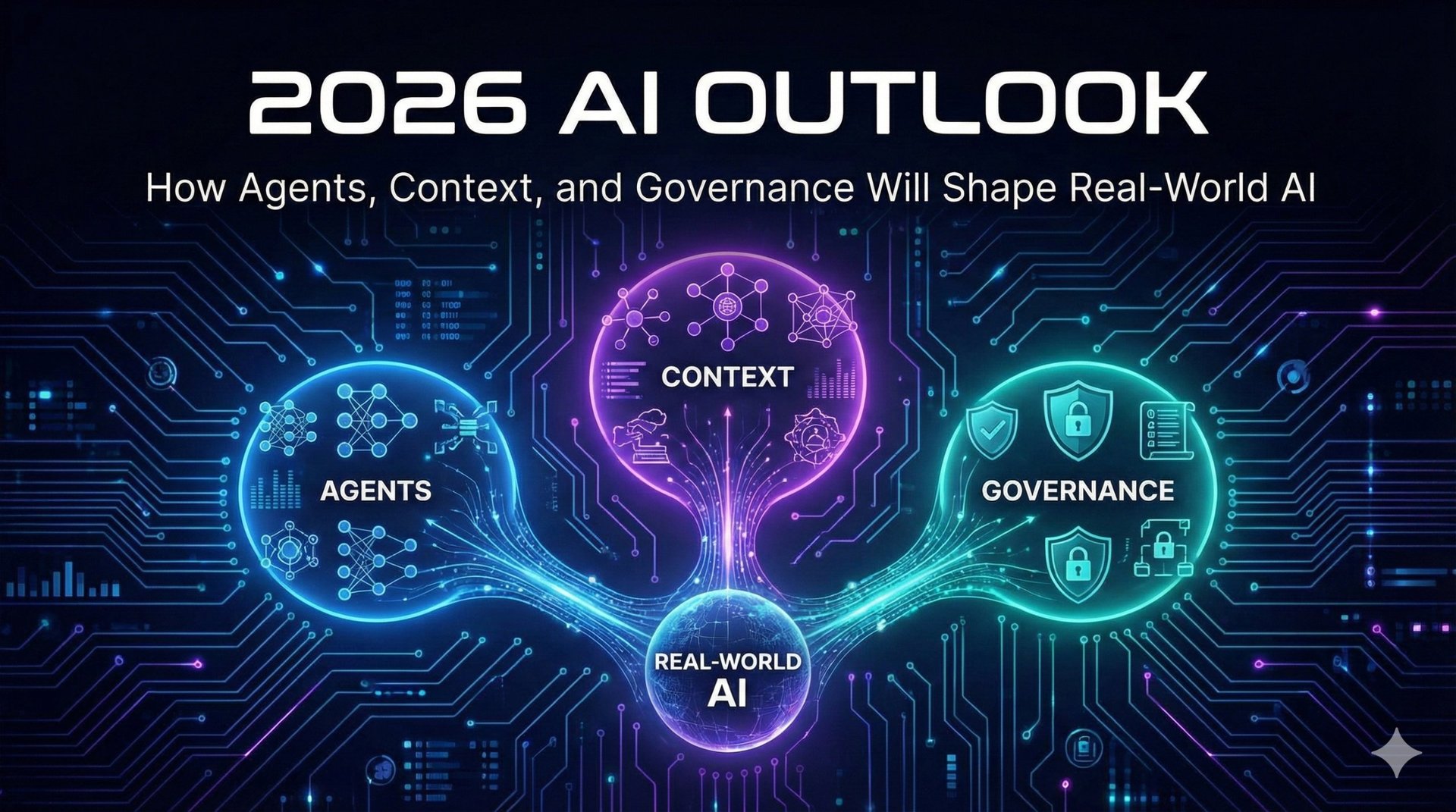
For specific jobs, the concept of “effective AI coverage”—how much of a job’s core, time-consuming work AI can successfully handle—is more telling than simple task counts. AI is reshaping professions, sometimes leading to “deskilling” (where AI handles the complex parts, leaving simpler tasks) and other times to “skill upgrading” (where AI automates routine work, leaving more complex problems for humans). The long-term effect on wages and employment depends on which pattern dominates.
Predictions about AI’s boost to overall productivity are significant but must be tempered. When accounting for AI’s failure rate and how tasks interlock in a workflow, estimated annual productivity growth, while still substantial, is lower than initial optimistic forecasts. The ultimate economic benefit hinges not just on the AI’s capability but on how organizations redesign processes to leverage it effectively.
The implications are clear. For individuals, the priority is building skills to collaborate effectively with AI—knowing what to delegate, how to instruct it, and how to verify its work. For businesses, strategy should focus on applying AI to core tasks, using iterative interaction to improve outcomes, and restructuring workflows to remove bottlenecks. For policymakers, addressing potential inequalities exacerbated by AI’s skill-biased nature through education, training, and supportive labor policies is crucial. We are in a period of rapid co-evolution between AI and the economy, and adapting to this new paradigm of human-machine collaboration is the central challenge.