The Unprecedented Surge in Gold and Silver: A Sign of Global Systemic Change?

The recent explosive surge in gold and silver prices is not merely a market anomaly; it represents a profound shift in global confidence. Gold breaking past $5100 per ounce and silver’s dramatic climb signal a collective move away from traditional financial anchors. This isn’t about celebrating economic prosperity; it’s a loud alarm bell ringing for the existing global order.
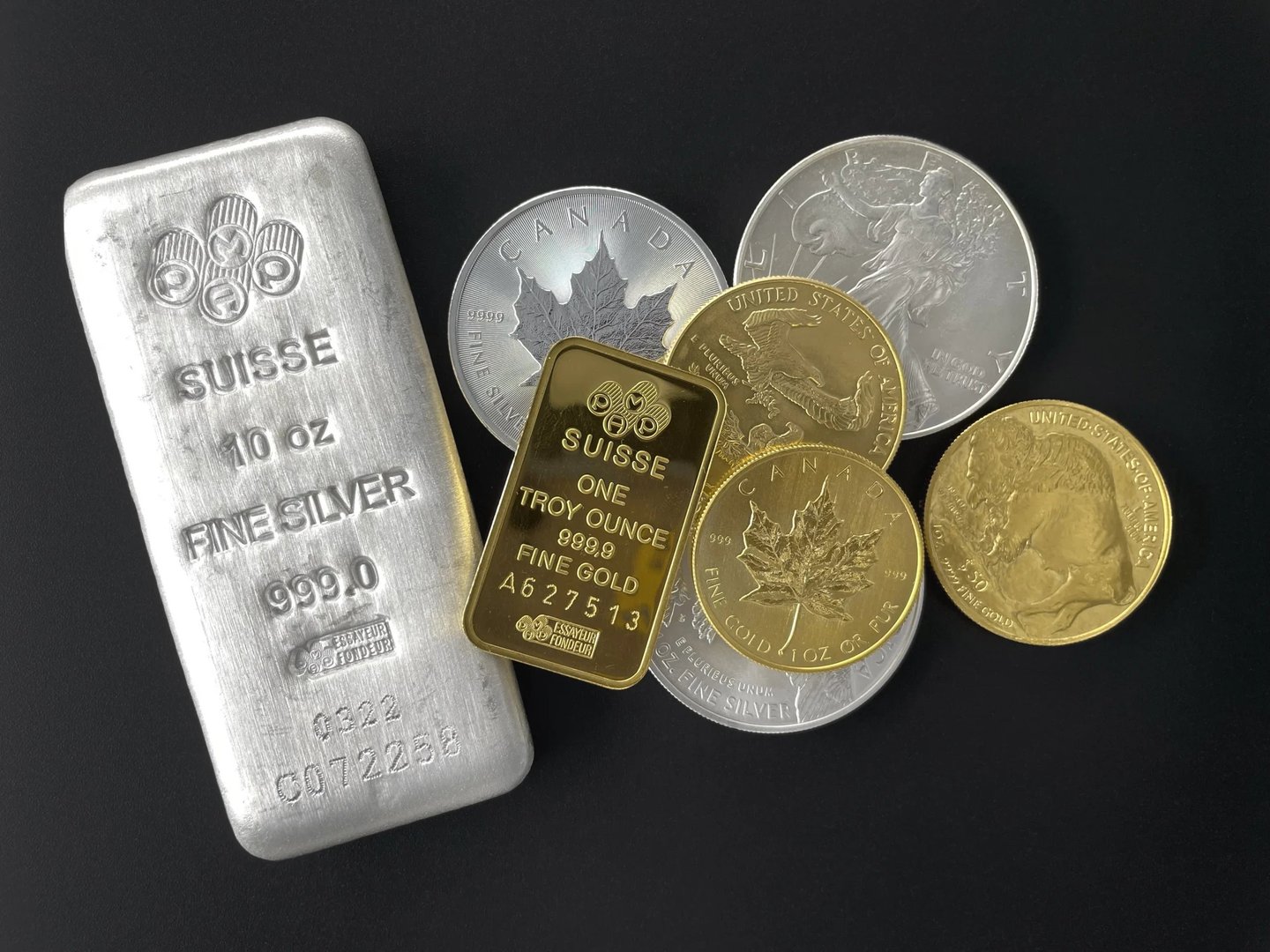
At its core, this movement reflects deep-seated anxieties about the sustainability of the current system, particularly the U.S. dollar’s role. Key geopolitical events, like recent tensions over Greenland involving U.S. demands on allies, have acted as catalysts. Such actions erode trust, prompting even core allies to reconsider their holdings of U.S. debt and assets. The reported discussions within Germany’s central bank about repatriating gold reserves due to “unpredictable” U.S. policy underscore this crumbling confidence. It’s a move that speaks volumes about preparing for a less certain future.

This isn’t a retail-driven frenzy but a strategic pivot by institutional players. Major financial firms are publicly revising gold price targets upward significantly. Their rationale points to an unsustainable U.S. debt trajectory, where monetary policy appears increasingly geared toward managing fiscal solvency rather than traditional economic goals. Concurrently, central banks worldwide, from China to Poland, are on a sustained gold-buying spree. This isn’t random accumulation; it’s a coordinated, quiet effort in “de-dollarization,” building reserves in an asset perceived as neutral and timeless.

Historically, we’ve seen this pattern before—from the debasement of the Roman denarius to the hyperinflation of the Weimar Republic. The underlying principle remains: when faith in a fiat system wanes due to fiscal excess, military overreach, or political instability, hard assets like gold reassert their value. The current global landscape—marked by fragmented trade, weaponized financial systems, and heightened geopolitical friction—is accelerating this shift. We are transitioning from an integrated global system to a more fragmented, bloc-based world. In such an environment, gold transcends being a mere commodity; it reverts to its historical role as a foundational store of value and a hedge against systemic uncertainty.

Looking ahead, volatility is almost guaranteed. Prices could see sharp corrections on any hint of geopolitical de-escalation or shifts in central bank rhetoric. The broader trend, however, seems shaped by enduring structural factors: entrenched great-power competition, rampant global debt, and a re-prioritization of strategic resources—from precious metals to critical minerals essential for future technologies and potential national security needs. This isn’t just about finance; it’s a reflection of a world bracing for a new, yet-to-be-defined era. The silent “vote” happening in the gold market suggests that for many, the old rules are no longer seen as reliable.
Oh please, the “God’s money” versus “man’s money” line is pure melodrama. Gold is a shiny rock that doesn’t produce anything. All this talk is just creating a bubble that will hurt regular people who FOMO in at the top. The real story is innovation and productivity, not hoarding a barbarous relic. This whole post reeks of doomerism.

Finally, someone is connecting the dots that the financial media ignores. The gold buying by central banks is the biggest story nobody is talking about. They aren’t doing this for fun. When Germany wants its gold back from New York, you know the trust is gone. This isn’t a blip; it’s a fundamental repricing of risk away from paper promises.

The historical parallels are chillingly accurate. We’ve seen this movie before with empires that tried to spend and print their way out of trouble. The U.S. debt trajectory is a mathematical certainty leading to pain. Gold isn’t “surging”; the dollar’s purchasing power is collapsing in slow motion. People feeling this in their grocery bills understand it better than any economist.

And today the gold and silver market fell of a cliff and seems the entire market for now is too gold and silver have proved to be terrible safety strategies during recessions.There isn’t really a safe investment during recessions because the problem is that things aren’t getting produced and money therefore is not being generated.Specially gold and silver which are speculative assets,now during times of uncertainty like now they are great way to make a buck because you know in times of market uncertainty everyone will be investing in them.But when shit actually hits the fan they are a losing bet.The only time gold ever proved to be good during recession was not gold itself but mining company shares including gold ones as mining is an industry most investors will put their money in during recessions expecting it will kick start economy,during recessions all the fundamentals make the most money farms,food, mining,energy,and so on.

This is alarmist nonsense wrapped in fancy language. Markets go up and down, it’s called a cycle! Gold had a great run, sure, but to call it the “death of globalization” is a massive overreach. The dollar isn’t going anywhere overnight; it’s still the world’s reserve currency by a huge margin. This just sounds like someone trying to justify missing the tech stock rally by hyping up fear.

The point about resources and a potential shift in priorities is spot on, even if the gold thesis is debatable. In a more fractured world, tangible assets—energy, food, metals—become paramount. Nations are clearly acting on this, stockpiling not just gold but other critical materials. It’s less about an apocalypse and more about a pragmatic, if tense, recalibration of global strategy.

What a load of fearmongering. So a few hedge funds raise their price targets and suddenly it’s the end of an era? These are the same guys who are probably taking profits as they talk their book. The average person should ignore this noise, stick to a diversified plan, and not get swept up in hysterical narratives about Weimar and Rome.