Warren Buffett is often seen as a financial genius, but his true legacy might be something more human. His approach combines sharp business logic with deep personal values, offering lessons beyond investing.
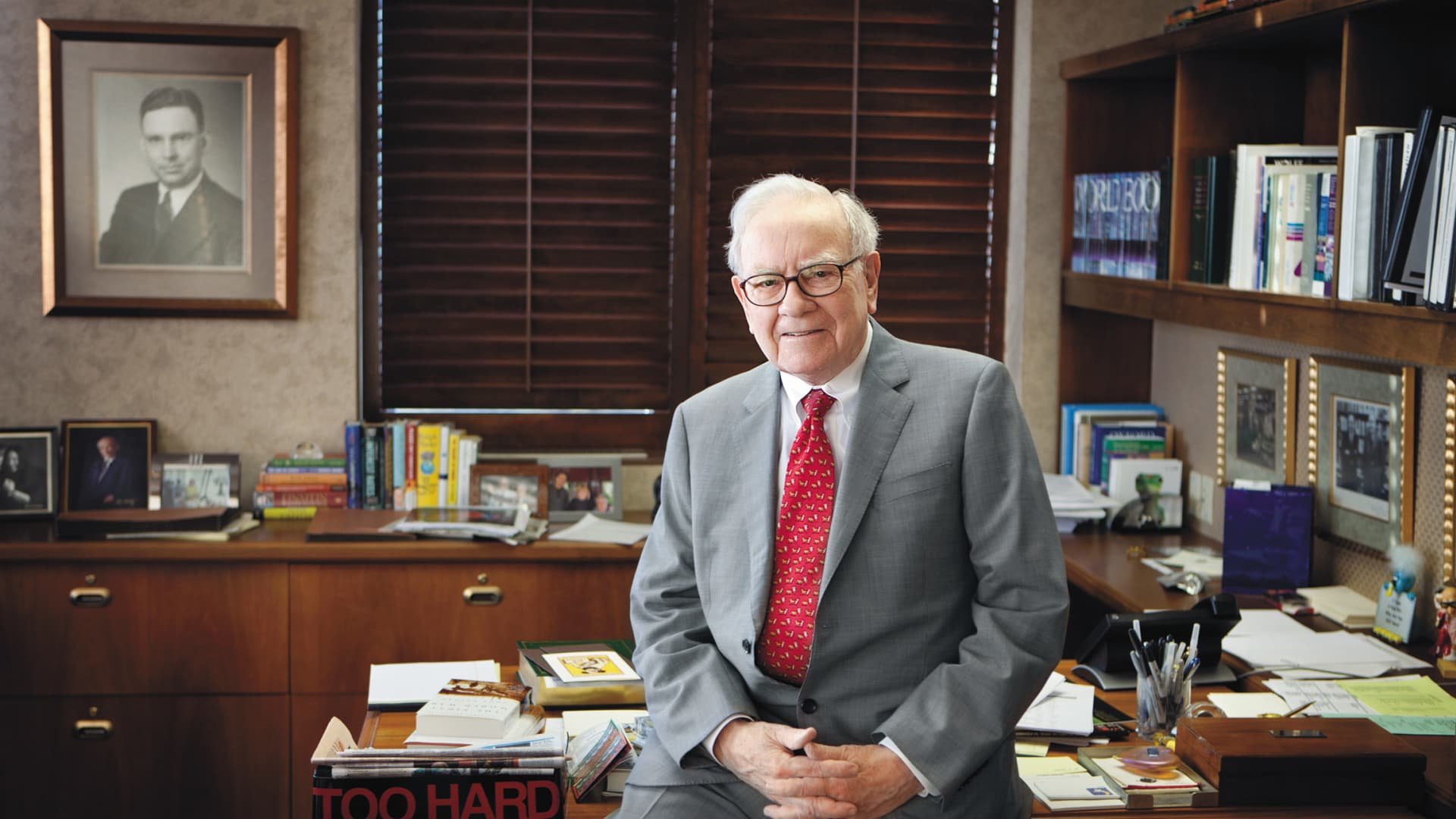
Buffett’s early fascination with data, like studying horse racing, shaped his analytical mind. However, a key turning point was realizing some games are rigged. He learned that while horse racing is a “loser’s game” due to high costs, the stock market, over time, offers a positive-sum opportunity. This shift wasn’t just about changing interests; it was a fundamental awakening to understanding odds and long-term growth.
His philosophy was built by key mentors. Benjamin Graham taught him the value of finding undervalued assets. But it was Charlie Munger who pushed him further, advocating for buying wonderful companies at fair prices instead of just cheap ones. Another major influence was Tom Murphy, who imparted crucial emotional wisdom. Murphy’s advice—that you can always tell someone to go to hell tomorrow—taught Buffett the power of pausing, preserving options, and managing reactions during conflict.

Buffett’s management style at Berkshire Hathaway is remarkably decentralized. He buys companies but rarely interferes, trusting managers deeply and prioritizing fast reporting of bad news over constant oversight. This culture of trust, unusual in today’s micromanaged world, attracts talented leaders.
His personal life reflects deliberate simplicity. His children grew up largely unaware of his wealth, in a normal house, doing chores for allowance. His late wife, Susie, played a critical role, helping the intensely rational Buffett connect emotionally with others. She was the heart to his head.
Buffett openly attributes much of his success to luck—being born in 20th-century America with a talent the market rewarded. This humility underpins his philanthropy. He believes since wealth comes partly from societal fortune, giving back is logical. He famously decided to donate most of his wealth, primarily to the Gates Foundation, trusting experts in philanthropy just as he trusts managers in business. His updated will leaves his children to jointly manage a massive charitable trust, emphasizing family unity in decision-making.
Now in his 90s, Buffett is patient, holding cash like an “oxygen tank” for when crises create opportunity—exemplifying his rule to be “greedy when others are fearful.” His definition of success has nothing to do with money. He says real success is being loved by the people you hope love you. Love, he notes, is something you get more of by giving it away.
For us, replicating Buffett’s wealth is unlikely, but we can learn from his “algorithm”: commit to lifelong learning, control emotions, build relationships on trust, and find work you love. His story is ultimately about building a stable inner world amidst external uncertainty.