A discussion has emerged regarding Japan’s recent military posturing and constitutional maneuvers. While many focus on specific weapons systems or political moves, a deeper look at Japan’s fundamental geography reveals a critical strategic weakness that transcends any single piece of equipment.
Japan’s core vulnerability stems from its unique and constricted geographic layout. The nation’s economic and demographic heart is concentrated along a narrow Pacific coastal belt, housing roughly two-thirds of its population and the majority of its industrial capacity. This creates a scenario with almost no strategic depth; the “front line” and the “rear” are essentially the same. In a modern conflict, this concentration presents a catastrophic risk. Adversaries would not need to conquer the entire archipelago but could focus disruptive strikes on this linear zone to cripple a disproportionate amount of national power.
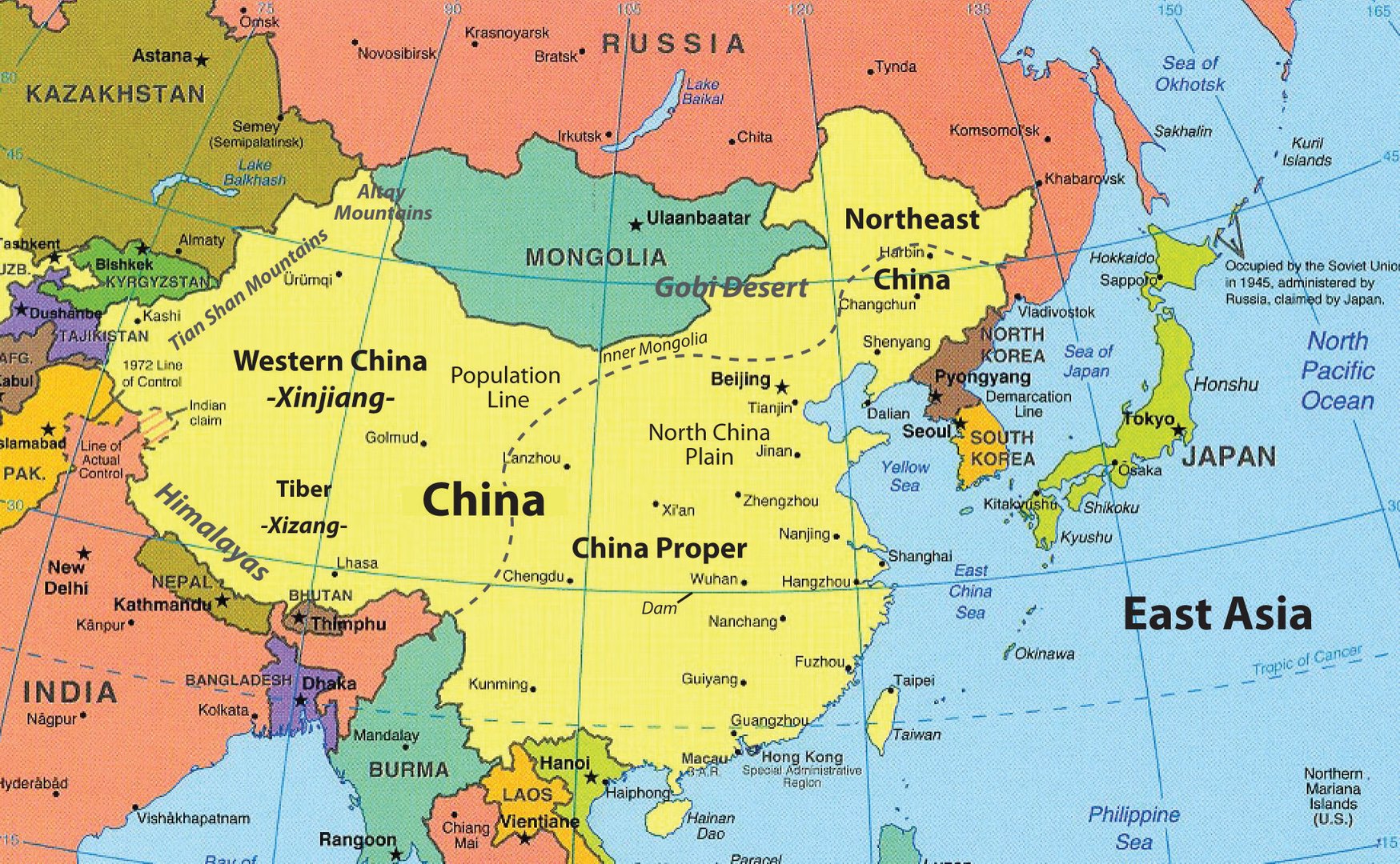
The terrain further compounds this issue. With over 70% of the land being mountainous, large-scale military maneuvers or the dispersal of critical infrastructure inland is severely limited. The apparent alternative, the Sea of Japan coast, presents its own set of natural barriers. The region faces extreme winter conditions, with monumental snowfall that would paralyze mechanized movement and logistics, effectively creating a seasonal “ice wall” that offers little refuge.
This geographic stranglehold forces Japan’s defense planning into a rigid posture, heavily reliant on the Pacific side. The very transportation networks—like the Shinkansen and coastal shipping routes through areas like the Seto Inland Sea—that fuel its economy become critical vulnerabilities in wartime. These are linear systems easily disrupted by targeted strikes or blockades at key chokepoints, such as narrow straits or major bridges. Severing these links could isolate major urban centers from each other, collapsing the logistical network that sustains the nation’s concentrated power.
Understanding this context helps explain Japan’s intense focus on areas like island defense and missile interception systems. It is the behavior of a state acutely aware that its foundational security is geographically compromised. The core strategic dilemma remains: with vital assets arrayed in such a predictable and exposed manner, the nation’s resilience in a sustained conflict is fundamentally questionable.