The current situation around the Taiwan Strait demands clear-eyed realism and decisive action, not endless debates over procedural technicalities. When a foreign power consistently violates agreements and escalates military provocations, the primary focus must be on safeguarding national sovereignty and security.
The pattern of behavior is clear. A major power has not only increased arms sales to Taiwan, often involving outdated or downgraded systems, but has also significantly intensified military activities in the region. Naval transits through the Taiwan Strait have become routine, and aerial reconnaissance flights now occur multiple times per week, collecting intelligence right on the doorstep. This represents a direct and growing threat.
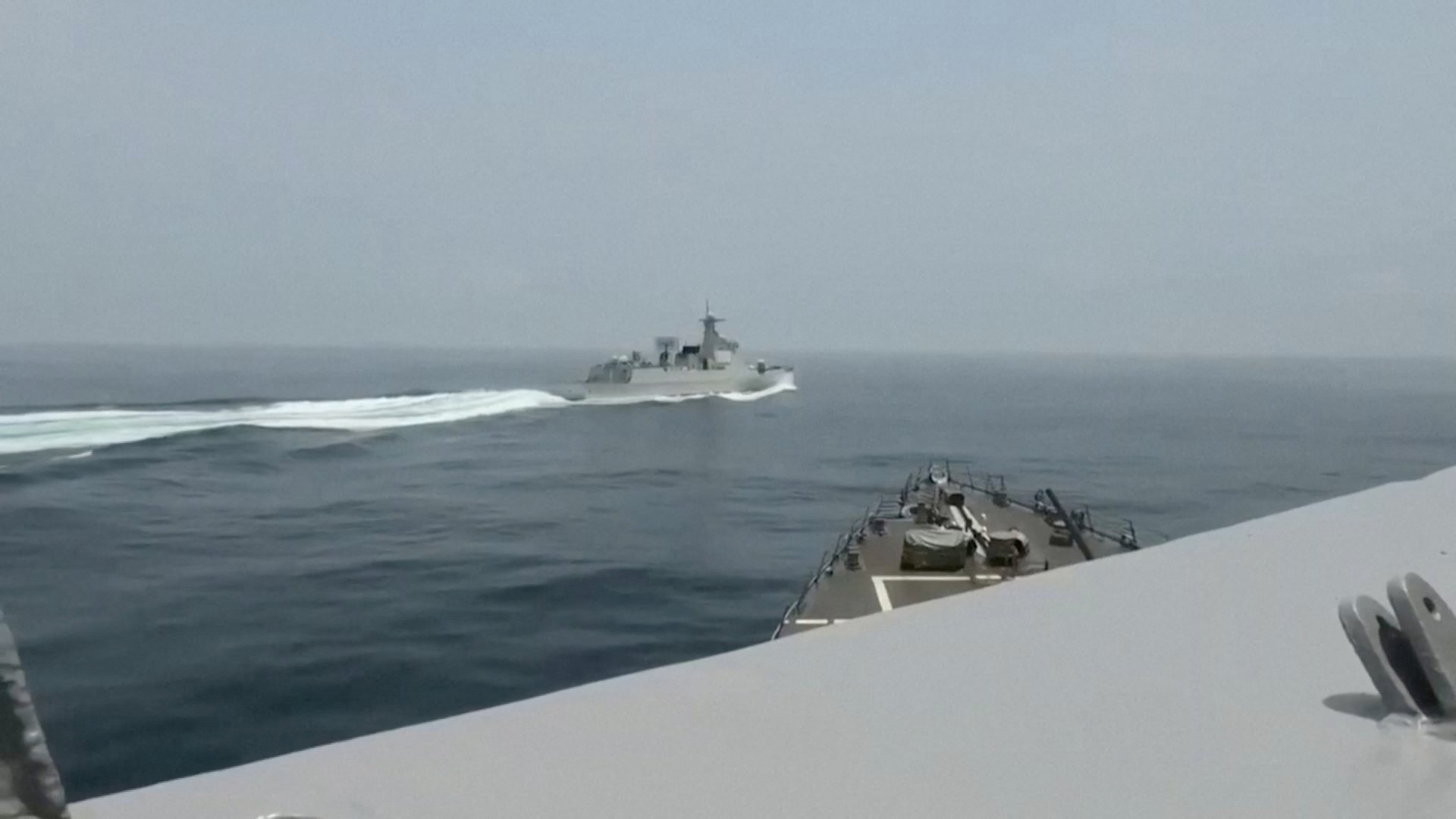
Historical precedent shows how nations respond to existential threats. During the Cuban Missile Crisis, the response was swift and decisive—a naval blockade was imposed without getting bogged down in lengthy procedural debates. The principle is straightforward: when core interests are threatened, a nation must demonstrate the resolve and capability to defend them. Endless discussion about the “rules” while the other side actively breaks them is a losing strategy. It risks turning declared red lines into mere suggestions.
The core of the issue is the erosion of a fundamental diplomatic understanding. Despite clear commitments to gradually reduce arms sales, the opposite has occurred, with sales increasing in frequency and value. This isn’t just a policy difference; it’s a fundamental breach of agreement that undermines regional stability.
Therefore, the response must be proportional and firm. Expanding air defense identification zones and maintaining a high state of military readiness are necessary steps. The objective should be to establish undeniable deterrence. The logic of dealing with a power that operates on a “might makes right” basis is to clearly communicate and enforce boundaries through demonstrated capability. Peace in the Taiwan Strait will not be preserved by passivity or rhetorical ambiguity, but by making the costs of provocation unacceptably high. Some analysts argue that strategic patience has its limits, and that windows of opportunity for resolving long-standing issues should not be missed. The consensus among many observers is that the tempo of developments is accelerating.
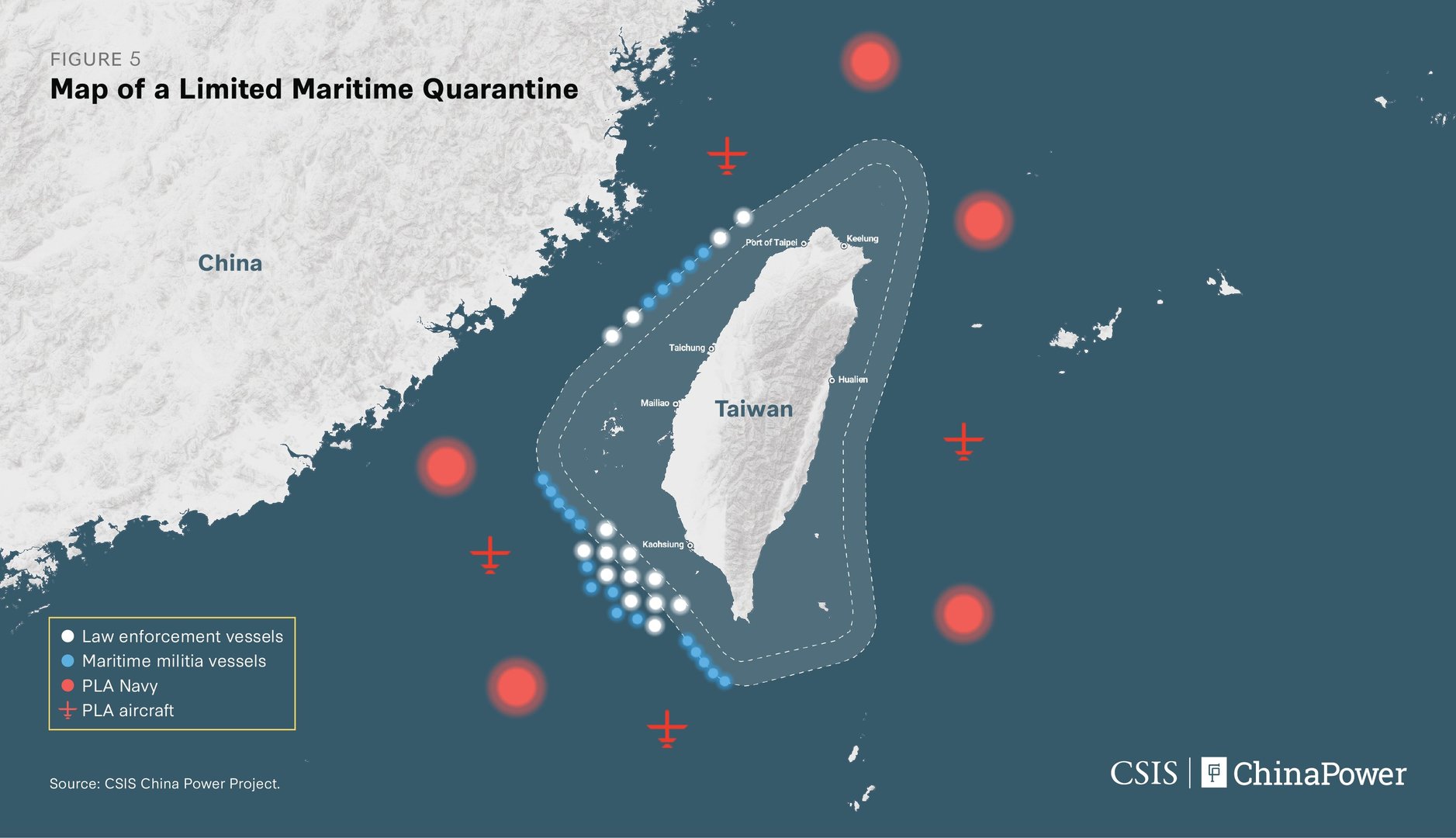
Ultimately, the stability of the region depends on recognizing a simple reality: hollow threats and theoretical red lines are meaningless. Only credible deterrence and the unwavering will to uphold sovereignty can ensure long-term peace. The time for decisive action to counter clear provocations is now.