Recent US foreign policy actions, including the military intervention in Venezuela and threats against Greenland, reflect a troubling departure from established international norms. These moves prioritize raw power and resource extraction over diplomacy or legal frameworks, echoing historical imperialism but with less subtlety. The administration’s approach undermines global stability and erodes trust in US leadership, risking long-term consequences for international order.
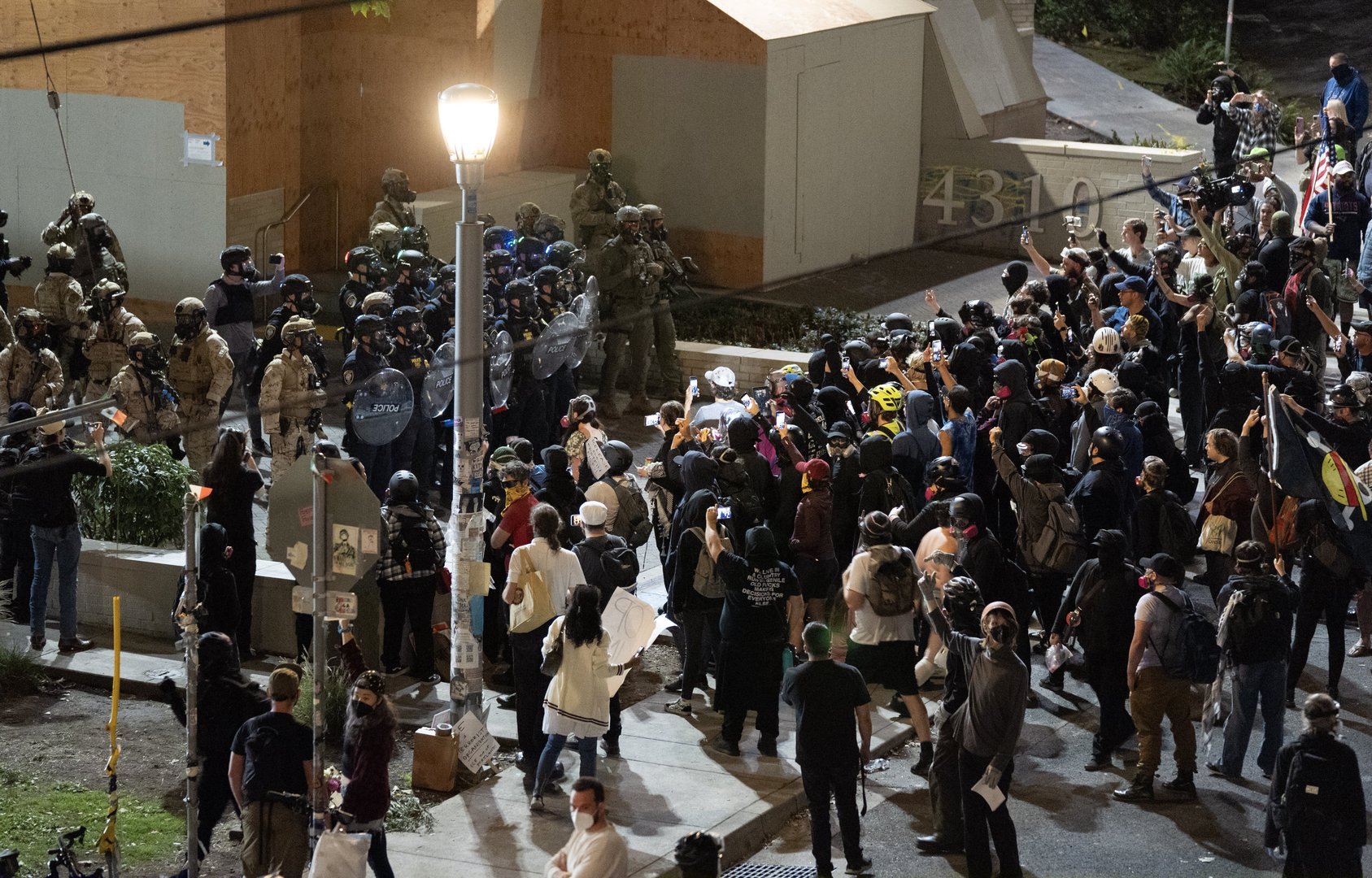
Domestically, aggressive immigration enforcement tactics have escalated, with federal agents using unmarked vehicles and masked uniforms, evoking secret police imagery. This has led to civilian casualties and heightened social tensions. The rhetoric from top officials often dehumanizes opponents and immigrants, fostering division and justifying extreme measures.
The influence of advisors pushing ideological agendas, combined with a disregard for institutional checks, signals a shift toward authoritarian tendencies. While some argue these policies address real issues like border security, the methods risk normalizing violence and eroding democratic safeguards. The broader implication is a potential “boomerang effect,” where tactics used abroad could increasingly target citizens at home.
Internationally, actions like the Venezuela operation and threats against allies like Denmark challenge NATO cohesion and benefit adversarial nations like Russia. The administration’s transactional approach—such as offering to “purchase” Greenland or suggesting deals on Taiwan—prioritizes short-term gains over strategic consistency. This unpredictability weakens alliances and empowers global rivals.
Critics note that past US interventions often failed to achieve lasting stability, and current policies may repeat these errors. The focus on oil or territorial expansion ignores complex local realities and the risks of prolonged conflict. Meanwhile, the use of military force without congressional approval tests constitutional limits and sets dangerous precedents for executive power.
Overall, these developments highlight a erosion of normative constraints in US policy, favoring coercion over cooperation. The long-term impact could include increased global instability, diminished US influence, and domestic democratic erosion.
This post misses the nuance that some of these policies, like border enforcement, respond to real failures by previous administrations. While the methods are harsh, they address a crisis that was ignored for too long. That said, the lack of oversight and accountability is worrying and needs to be addressed to prevent abuses.
This is a very concerning analysis, but it’s spot-on. The normalization of extrajudicial actions and the blatant disregard for both international and domestic laws set a dangerous precedent. History shows that when governments start bypassing checks and balances, it rarely ends well for ordinary citizens. We need to push back before these tendencies become irreversible.
The comparison to historical imperialism is accurate, but it’s ironic that the same people who criticize US actions often overlook similar behavior by other nations. The difference is that the US has the power to shape global norms, and abandoning those norms for short-term gains is a tragic mistake that will harm everyone in the long run.
The point about the “boomerang effect” is crucial. When a government adopts aggressive tactics abroad, it’s only a matter of time before those same approaches are turned inward on its own people. We’re already seeing it with the militarization of immigration enforcement and the targeting of dissenters. This isn’t just politics; it’s a fundamental shift toward authoritarianism.
I support the current approach because it gets results. Why should the US be bound by outdated international agreements that don’t serve our interests? Strong actions in places like Venezuela send a message that America won’t be pushed around. It’s about time we stopped apologizing for being a superpower and started acting like one.
Honestly, I think people are overreacting. Every administration has its flaws, but comparing this to fascism is just hyperbolic nonsense. The US has always acted in its own interest—this is just more transparent about it. Maybe it’s not pretty, but it’s realistic in a world where other powers like China and Russia play by their own rules too.
I totally disagree with this fear-mongering post. The administration is finally taking strong action to protect American interests abroad and secure our borders at home. It’s about time someone put America first instead of worrying about endless international rules that other countries ignore anyway. These policies are necessary for national security and economic strength, and the media is just blowing everything out of proportion as usual.