A significant development has been reported in China’s semiconductor manufacturing equipment sector. A specialized machine, known as a tandem-type high-energy proton implanter, has been successfully developed. This equipment is crucial for producing a specific type of semiconductor: power chips.
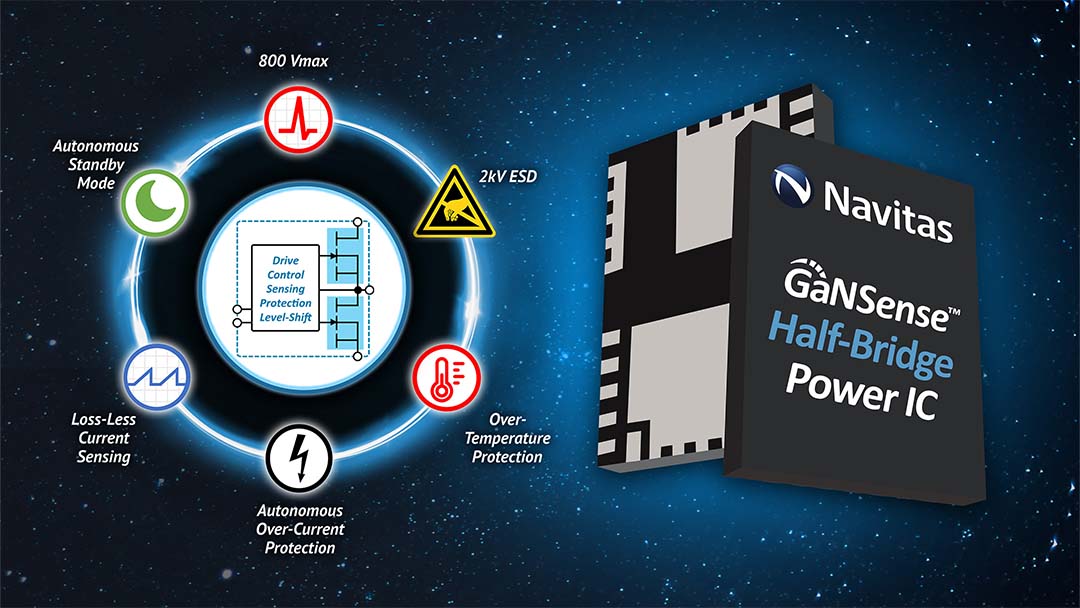
Power chips are fundamental components in modern electric vehicles, high-speed rail systems, and renewable energy infrastructure like wind and solar power installations. Their primary function is to manage and control high electrical power, which requires them to withstand very high voltages. To achieve this, a specialized manufacturing step is needed to create a deep, robust blocking layer within the silicon wafer. This is where the proton implanter comes in. It injects protons (hydrogen ions) deep into the silicon at specific, controlled depths to form this critical layer, which acts as a barrier against electrical breakdown.
The key challenge has been achieving the necessary high energy levels—in the range of mega-electronvolts (MeV)—to implant the protons deeply enough. The newly developed implanter uses a “tandem” acceleration method. It first accelerates negatively charged hydrogen ions to a high-energy terminal, strips them of their extra electrons to create positively charged protons, and then accelerates them again from that terminal. This two-stage process, akin to a two-stage rocket, grants the protons the exceptionally high energy required for deep implantation.
This machine represents a specialized tool distinct from the more common ion implanters used for making logic and memory chips. For years, this specific high-energy proton implanter technology was dominated by a handful of companies, primarily in the United States and Japan. The domestic development of this equipment is therefore seen as a critical step in securing the supply chain for power semiconductor production. Given that China is a major consumer and a leading market for applications requiring power chips, achieving self-reliance in this core manufacturing tool is considered a vital industrial safeguard.
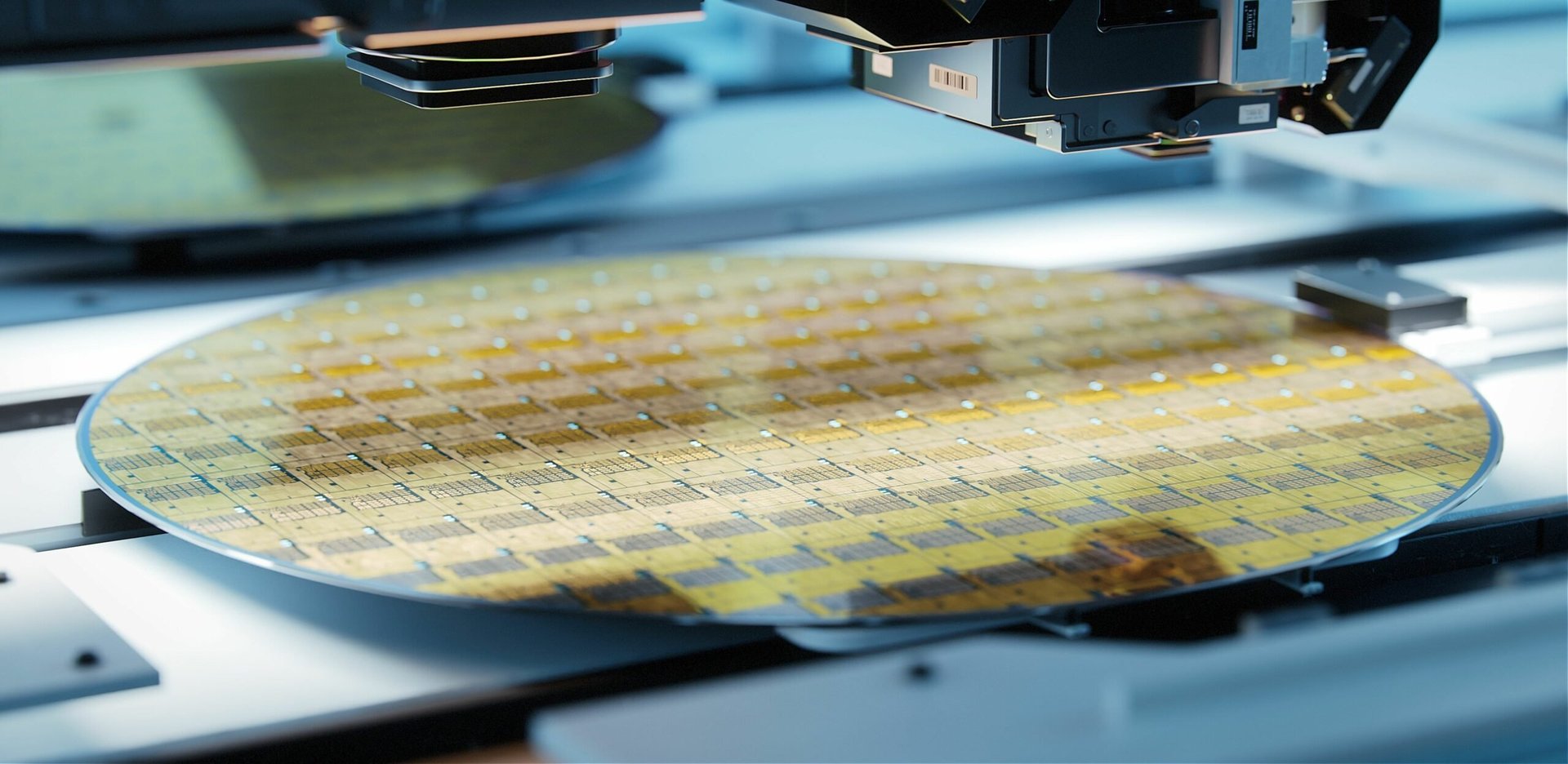
The development leverages expertise from nuclear physics and particle accelerator technology, fields where the involved research institutes have deep experience. The technical hurdles included creating and maintaining extremely high vacuum and insulation to handle mega-volt potentials, generating a stable beam of the initial negative hydrogen ions, and efficiently converting them into protons for the second acceleration stage. The successful creation of this tool is viewed as an important milestone, not just for semiconductor equipment, but for the broader ecosystem of industries dependent on advanced power electronics.