A recent promotional video released by Japan’s defense authorities has sparked significant discussion. The video showcases a computer simulation of a new Japanese anti-ship missile engaging and destroying a warship that is unmistakably modeled after the Chinese Navy’s latest Type 054B frigate. This move is seen by many as a clear and deliberate signal, moving beyond hypothetical scenarios to explicitly identify a current Chinese naval asset as a potential target.
The missile in question is described as having stealth characteristics and the ability to perform evasive maneuvers in its final approach to bypass close-in weapon systems. However, analysis of the video and available information raises questions about its actual capabilities. Observers note design features, like prominent folding wings, that likely compromise its stealth claims. Estimates of its operational range vary widely, from a modest couple of hundred kilometers to potentially over a thousand, but its subsonic flight speed is considered a significant vulnerability against modern air defenses.
The choice of the Type 054B as the target vessel is particularly noteworthy. As a modern but mid-tier frigate, it is primarily tasked with fleet air defense and anti-submarine warfare, not leading surface strikes. This selection, compared to other nations’ promotional materials which sometimes feature more advanced destroyers or even aircraft carriers as targets, is interpreted by some as a calculated and perhaps cautious move. It may reflect an intent to demonstrate capability without excessively provoking a response, or an acknowledgment of the missile’s limitations against China’s top-tier warships like the Type 055 destroyer, which possess longer-range engagement systems.
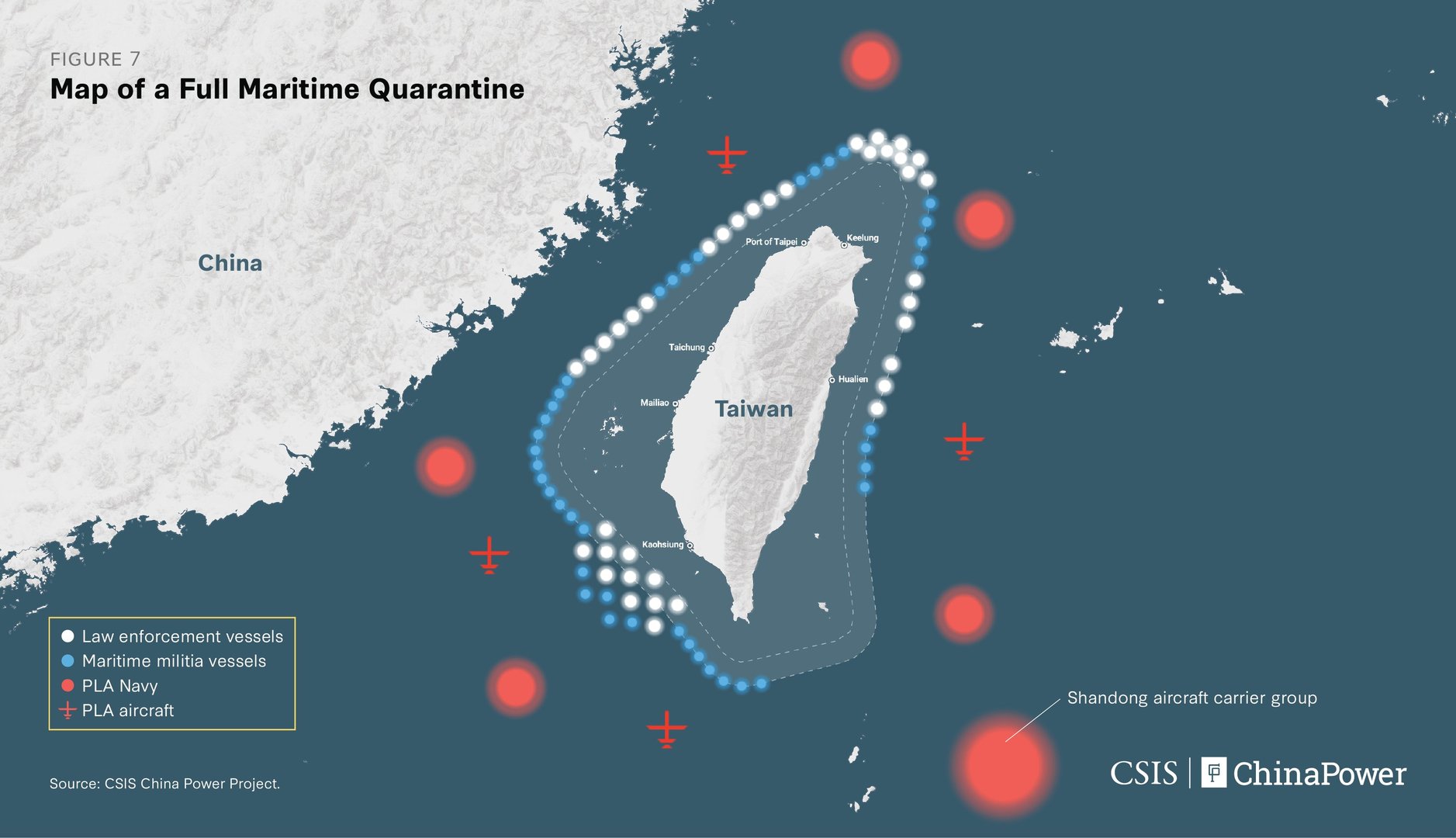
Strategically, Japan plans to prioritize deploying such missiles on its southwestern islands. From these locations, even missiles with a several-hundred-kilometer range could cover key waterways in the East China Sea and areas around Taiwan. This deployment concept, combined with recent political rhetoric from Japanese figures framing “Taiwan contingencies” as existential threats to Japan, and joint military exercises with the US simulating conflict scenarios with China, paints a picture of deepening military preparedness aimed at countering Chinese naval movements.
The core takeaway is the unambiguous shift in Japan’s defensive posture and public messaging. The video is less about the specific technical merits of a single weapon system and more about a political-military statement. It signifies a more assertive stance and a willingness to publicly identify China as a primary defense concern. While the immediate tactical threat of this specific missile to the wider Chinese fleet is debated, the strategic intent and the potential for an arms buildup in a volatile region are causes for serious attention and analysis.