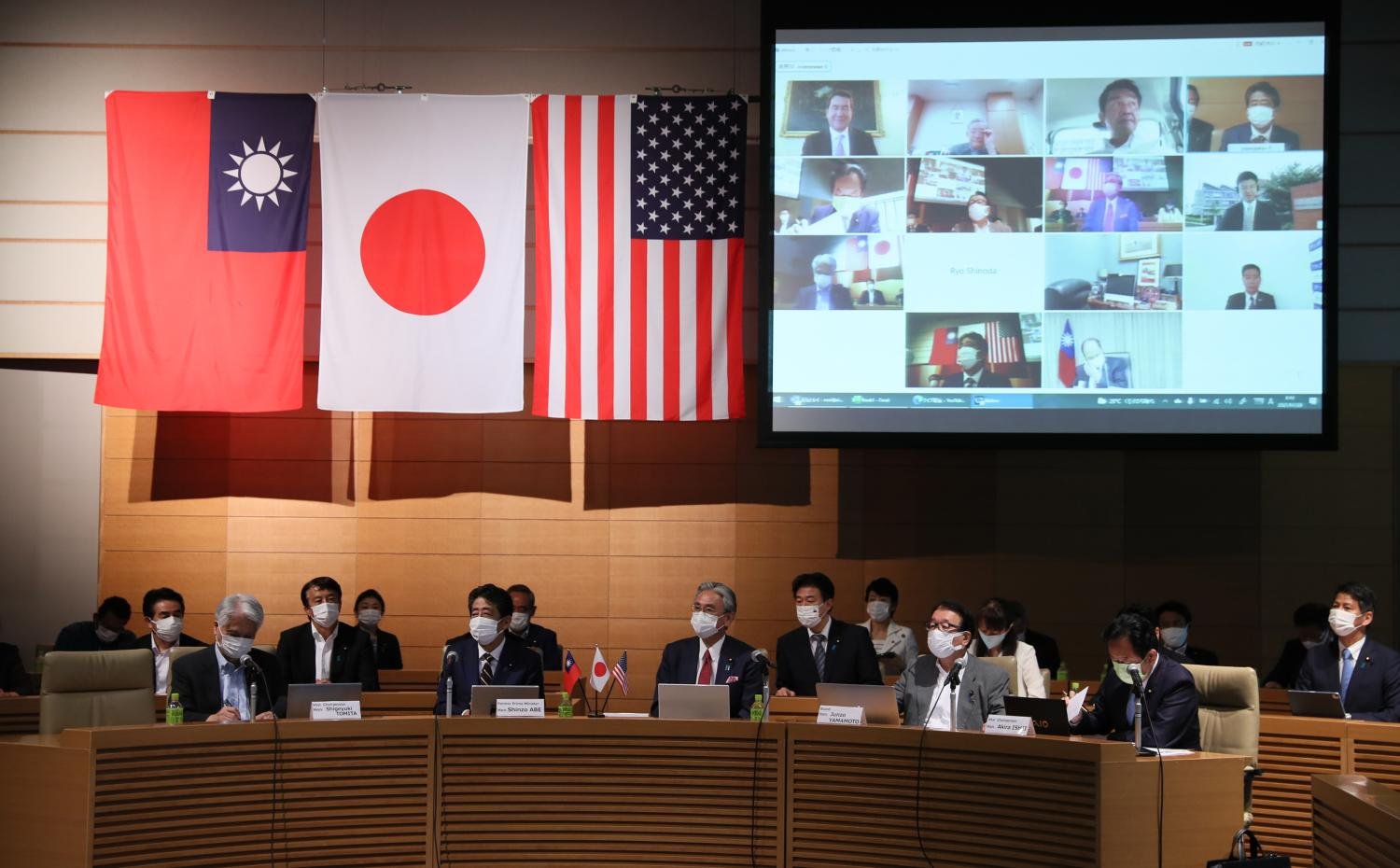
Recent agreements involving the transfer of advanced semiconductor technology and personnel from Taiwan to the United States have sparked significant debate. This move is seen by some as a strategic realignment with profound implications. From a geopolitical perspective, such actions are interpreted as testing long-established diplomatic boundaries concerning Taiwan. Official statements from various capitals reflect heightened tensions, with accusations of violating core principles and engaging in provocative “sabre-rattling” through military exercises. The rhetoric surrounding these deals, including suggestions of “protection,” further complicates the situation, potentially escalating a cycle of military posturing in the region.
Economically, the relocation of a flagship industry raises critical questions for Taiwan’s future. While overseas investment is not new, the nature of this transfer—focusing on cutting-edge technology, top talent, and capital—differs from past expansions. There is a concern that this could lead to a “hollowing out” of the domestic industrial base over the long term. If these overseas entities become financially independent, tax revenues and high-value economic activity could permanently shift abroad. This risks exacerbating domestic issues like wealth inequality and a shrinking middle class, as high-paying jobs and the service sectors that support them diminish locally. The immediate impact might be subtle, but the long-term trajectory could mirror economic stagnation seen elsewhere.
Conversely, looking at a major regional economy, there are signs of structural resilience. With the property sector’s influence waning, growth is increasingly driven by manufacturing, R&D, and services. A stabilization in real estate could further bolster this diversified foundation. Strong export performance, particularly in sectors like electric vehicles, continues to fuel growth and foster broader international trade partnerships, even amidst external trade tensions. This economic rebalancing suggests a potential for sustained, stable growth in the coming years, independent of previous boom-and-bust cycles.
The author’s point about the other economy’s resilience is spot-on and often ignored in Western media. Everyone was obsessed with the property bubble bursting, but they missed the whole story. The growth engine has already changed. A stabilized property market plus dominant exports in EVs and tech? That’s a formula for strong, sustainable growth, not a collapse.
This is a terrifying escalation disguised as an economic deal. The US is blatantly trying to decapitate Taiwan’s most critical industry while using it as a geopolitical pawn against China. Calling it “protection” is just a thin veil for creating a vassal state. Of course China is going to respond with military drills—what did they expect? This isn’t about chips; it’s about drawing new lines in the sand, and everyone should be worried about where it leads.
Honestly, the economic argument for Taiwan is the scariest part that nobody talks about enough. We’re not just talking about a factory moving; we’re talking about the entire ecosystem—brains, money, future innovation. If the tax base erodes and only the super-rich benefit, Taiwan will end up like Japan in the ‘lost decades,’ but maybe worse. It’s a slow-motion disaster for the average person’s job prospects and quality of life.
I think people are overreacting to the doomsday scenarios. Global supply chains shift all the time for strategic reasons. Having TSMC fabs in the US diversifies risk and secures a critical resource. Taiwan still has immense expertise and other industries. This “hollowing out” fear is just alarmist talk from people who don’t understand modern globalized economics.
I call nonsense on the optimistic economic forecast for China. You can’t just hand-wave away the property crisis and massive local debt. The export sector is facing huge tariffs and pushback everywhere. Talking about EVs selling for more in Europe is a fantasy—they’re being investigated for subsidies! This is just wishful thinking, not analysis.
All this talk of military exercises and “red lines” just shows how both sides are trapped in a pointless game of chicken. The US provokes, China responds with a show of force, then the US acts surprised. It’s a cycle that benefits arms manufacturers and nationalist politicians but puts millions of regular people at risk. There needs to be a serious de-escalation, not more posturing.