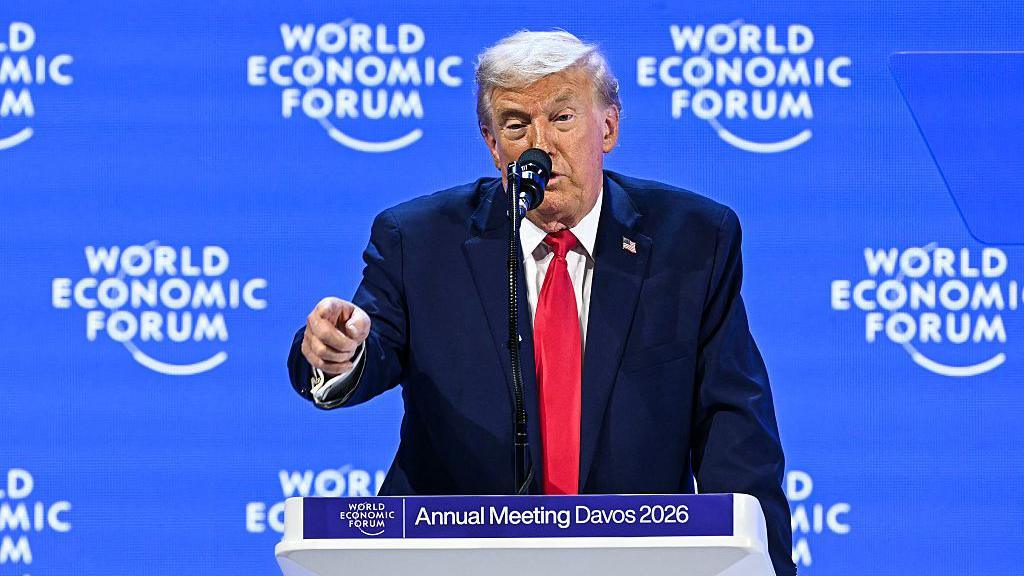
Recent international gatherings have highlighted a dramatic shift in global diplomatic conduct, moving away from traditional, predictable statecraft toward a more transactional and confrontational style. The core dynamic involves a major power leveraging its economic and military dominance to make unilateral demands on allies, often accompanied by public rhetoric that disregards diplomatic norms and factual accuracy.
This approach creates profound uncertainty. Traditional alliances, once based on shared values and mutual security guarantees, now appear strained under the pressure of unilateral economic threats, such as tariffs, used as bargaining chips for other objectives. The response from affected nations often seems to be a mixture of public outrage and private accommodation, leading to perceptions of weakness and a dependency complex. The international system is grappling with a reality where strong-arm tactics and public humiliation are becoming part of diplomatic exchanges, challenging the very foundations of multilateral cooperation.
A particularly concerning aspect is the casual invocation of military and technological supremacy during these diplomatic spats. References to unspecified “super weapons” or historical military protection as a justification for present-day demands add a layer of volatility to an already tense environment. It signals a move towards might-makes-right posturing that undermines decades of arms control and strategic stability efforts.
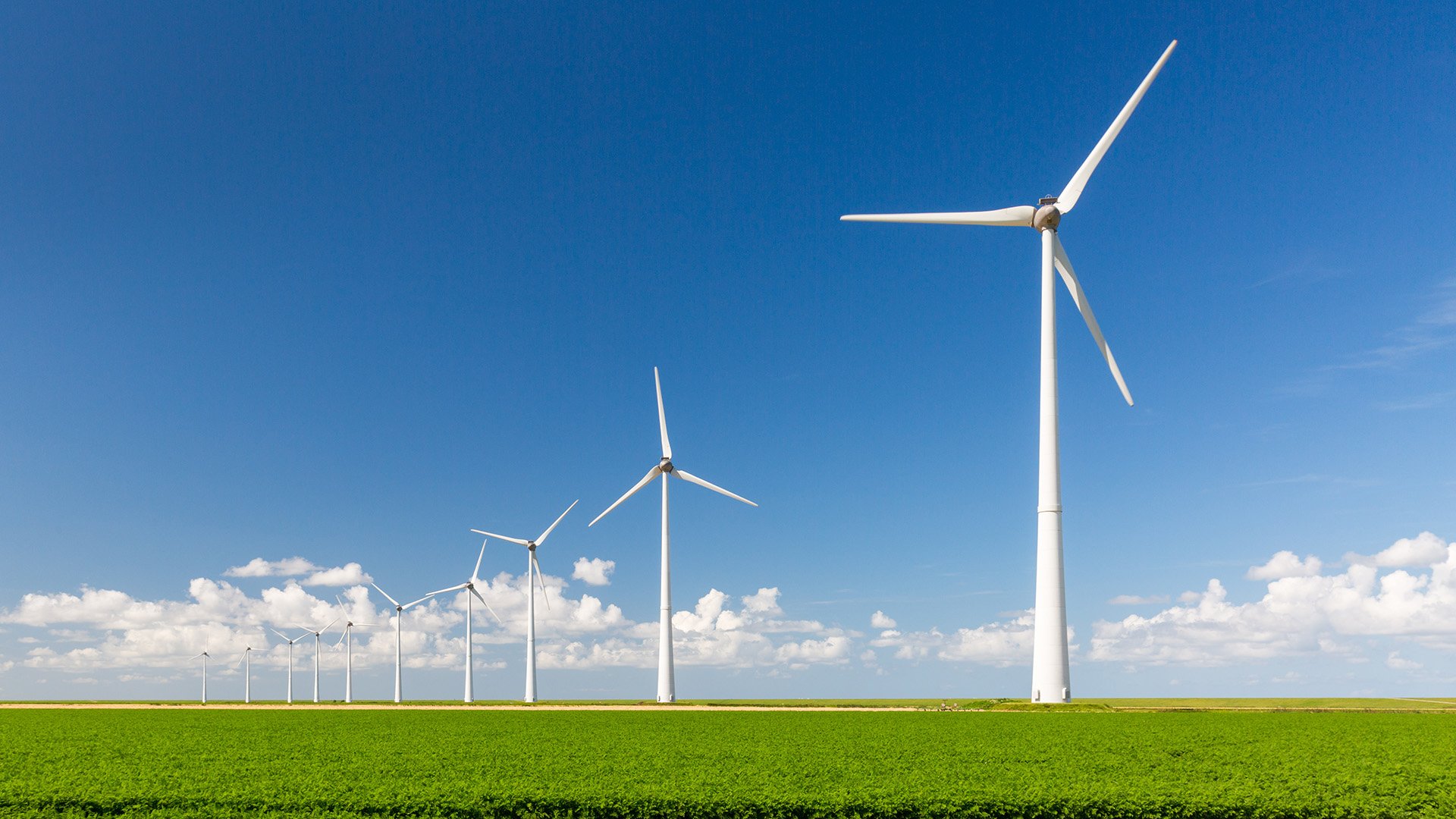
Furthermore, these dynamics extend into global economic and technological competition. Mischaracterizations of other nations’ industrial and environmental policies—such as falsely claiming a leading manufacturer of renewable technology doesn’t use it domestically—serve to advance a narrative that paints international trade as a zero-sum game. This ignores the complex realities of global supply chains and the shared challenge of climate change. The ultimate result is a world where trust is diminished, long-term planning becomes difficult for businesses and governments alike, and the risk of miscalculation grows. The old rules seem to be fading, but the new ones are yet to be written, leaving everyone navigating an era of disruptive and unpredictable power politics.
The most pathetic part isn’t the actions of the powerful nation, but the groveling response. If your so-called “ally” publicly humiliates you and your only response is to beg for a slightly smaller tariff, you’ve already lost. Where is the strategic autonomy? Where is the backbone? This learned helplessness is why nothing will change until there’s a fundamental shift in the balance of power.
This is utterly terrifying. We’re watching the architecture of the post-war world order being dismantled by sheer capriciousness. Treating allies like vassal states, throwing around tariff threats on a whim, and bragging about secret weapons? This isn’t strong leadership; it’s the behavior of a rogue state. It makes the entire world less safe and pushes everyone toward a Hobbesian nightmare where only raw power matters.
Let’s be real, everyone is just acting in their own interest. The European powers had decades of running the world their way. Now the tables have turned, and they don’t like the new rules. It’s hypocrisy all around. The strong do what they can, and the weak suffer what they must – that’s always been true, even when it was wrapped in prettier language.
The sheer inaccuracy of the statements coming from the top is what gets me. We’re not even arguing about complex policy nuances anymore; we’re debating basic, verifiable facts about geography and industry. When the most powerful office in the world operates on a foundation of demonstrable falsehoods, it corrupts the entire global discourse. How can you negotiate, how can you plan, when you can’t agree on reality?
People are missing the forest for the trees. Sure, the style is abrasive, but the substance is what matters. If the goal is to renegotiate unfair trade terms or reassess obsolete security commitments, maybe shock therapy is the only way to get complacent bureaucrats in other capitals to pay attention. The method might be crude, but if it delivers better results for its citizens, can you really argue with the outcome?
Honestly, it’s about time someone shook up the stuffy old club of global diplomacy. All this talk about “norms” and “values” was just a cover for weak countries freeloading on American security and markets. If being blunt and putting your own country’s interests first is now “blackmail,” then maybe the previous system was the real problem. Strong nations lead, others follow – that’s history, not news.