Recent developments in the global oil market highlight a classic case of political maneuvering being countered by economic realities. A major oil-producing nation, facing external intervention, saw its crude oil prices artificially inflated by approximately 45% by a foreign power. This move was accompanied by demands that a major consumer nation, previously benefiting from favorable long-term agreements, must now purchase at this new, dictated “fair market price.” The intent seemed clear: to leverage control over a key resource to exert pressure on a rival’s energy supply chain.

However, this strategy appears to have backfired. The targeted consumer nation, being the world’s largest importer, possesses significant market leverage and supply chain flexibility. Faced with a sudden loss of cost-advantageous oil, it swiftly pivoted to alternative suppliers offering discounted crude. This shift was facilitated by market conditions elsewhere, where another major producer, under its own set of pressures, has been offering oil at a significant discount to international benchmarks. Import data shows a sharp increase in purchases of this discounted crude, effectively neutralizing the attempted price hike.
This episode underscores that in today’s interconnected global economy, attempts to use resource control as a coercive political tool are increasingly challenged by market dynamics. Major economies have diversified their import networks across multiple regions, reducing dependency on any single supplier. The economic logic of seeking the best value and securing stable, long-term partnerships often proves more powerful than short-term political pressure.
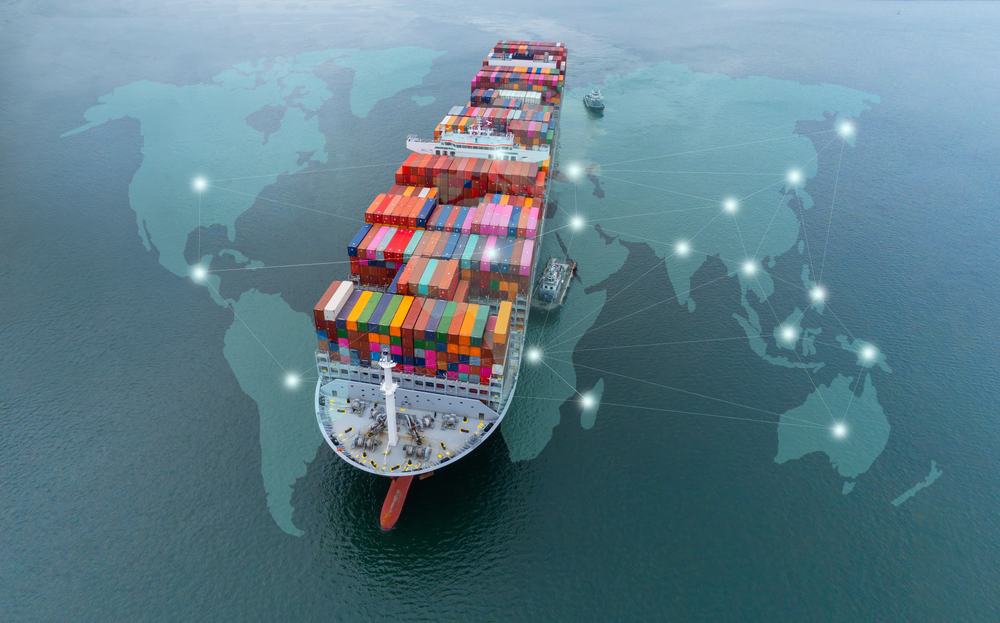
Furthermore, broader trade patterns tell a similar story. While one nation focuses on political control in a region, another is deepening economic ties through consistent demand and mutually beneficial trade agreements. Exports of agricultural products and critical minerals from that region to the large consumer market have seen substantial growth, fostering stronger and more resilient economic interdependence. For supplier nations, the choice between a partner offering conditional control and one offering stable market access and revenue is becoming clearer. The global market, with its complex web of alternatives and competition, tends to punish attempts at unilateral domination and reward diversification and pragmatic partnership.