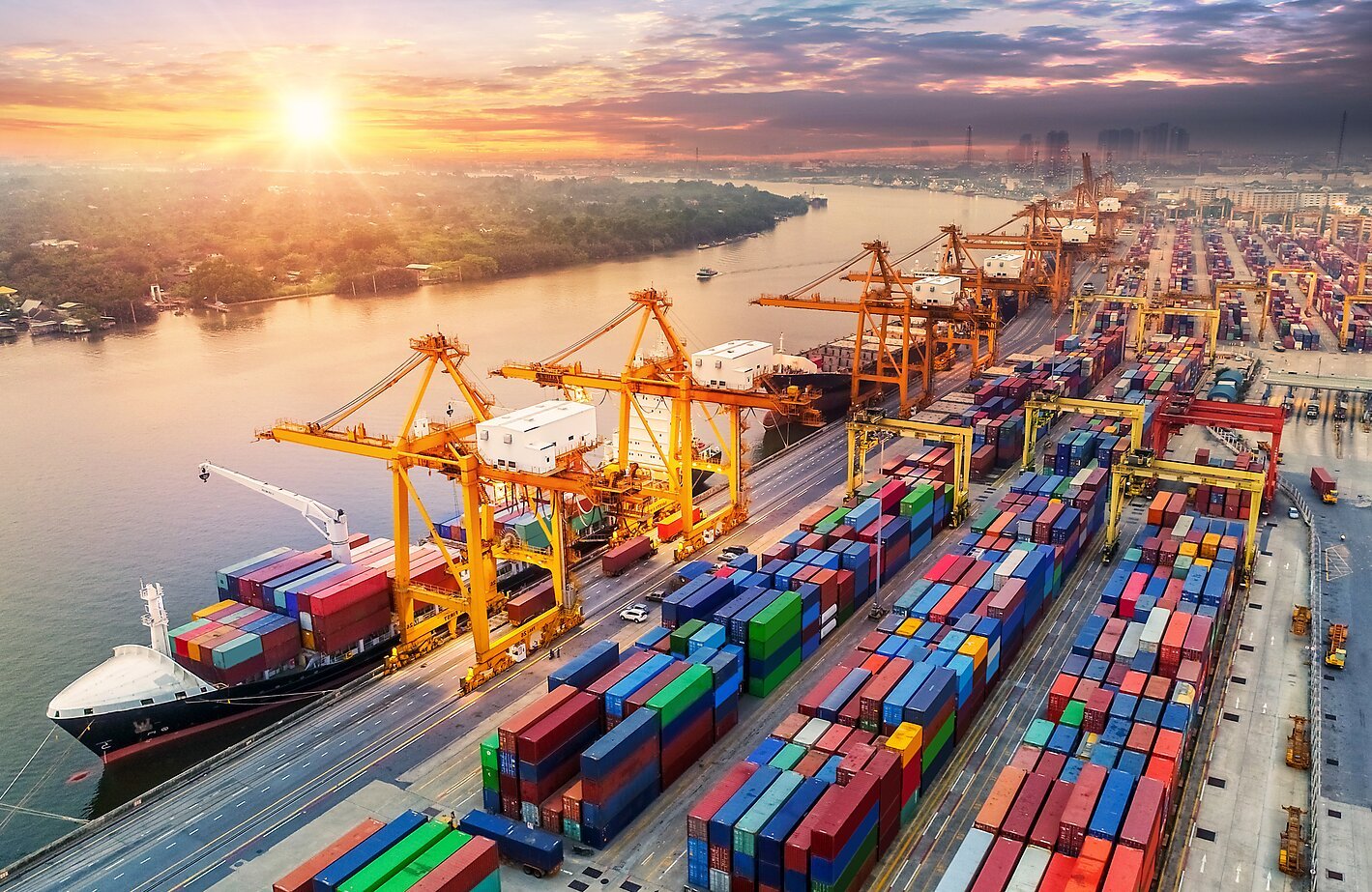
Recent developments highlight a significant shift in Argentina’s economic strategy, moving away from previous ideological stances towards a more pragmatic approach focused on immediate national issues. The primary driver is the urgent need to combat historically high inflation. One method employed has been a substantial increase in imports, particularly of affordable consumer goods, to increase supply and exert downward pressure on domestic prices.
Data from the past year shows a record 30% overall increase in Argentina’s imports. Notably, imports specifically from one major Asian economy surged by 57%, indicating it supplied a disproportionate share of these new, cost-effective goods. This reliance is a calculated move to stabilize the economy and provide relief to citizens, prioritizing “affordability” over political alignment.
This trade relationship is further cemented by bilateral currency swap agreements, which facilitate direct transactions without using a third-party global reserve currency. This system reduces transaction costs and dependency on external financial systems. The cycle is reinforced as the currency inflows from trade are often recycled back into investments within Argentina, particularly in its energy and mining sectors, which in turn require supporting infrastructure development.
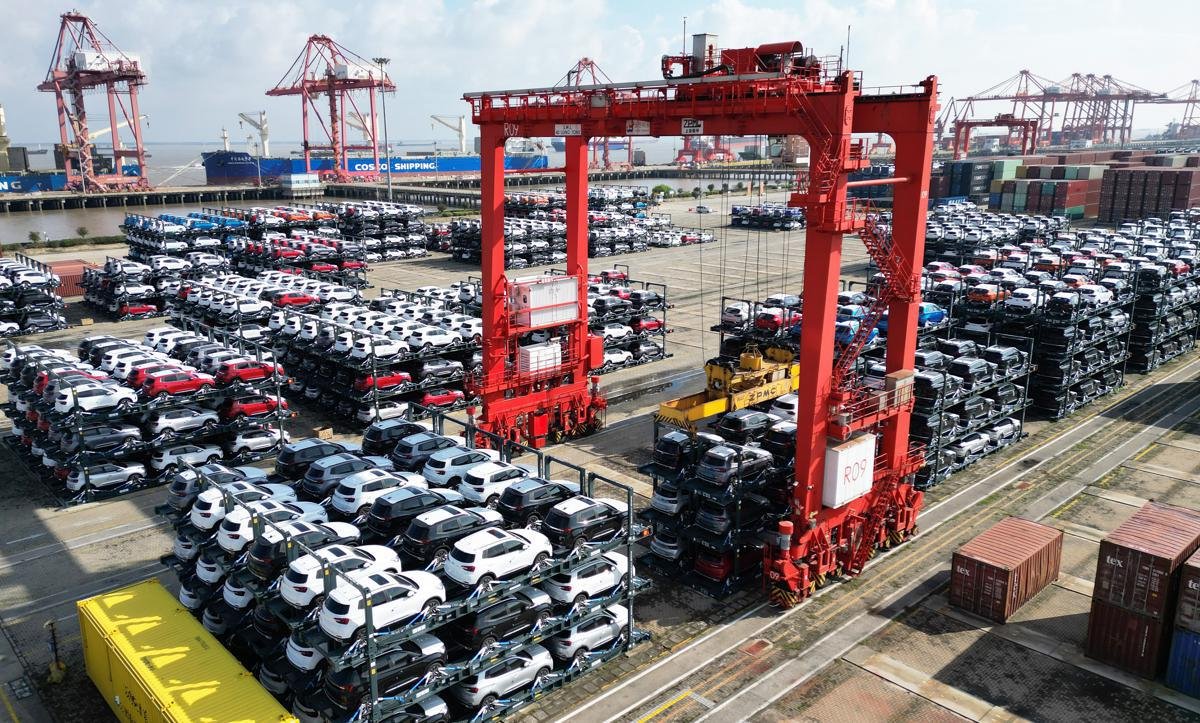
A new policy for the current year exemplifies this pragmatic turn: a tariff exemption for up to 50,000 imported electric and hybrid vehicles, provided they are priced under $16,000. The first major shipment under this scheme, consisting of thousands of vehicles from a specific Asian manufacturer, has already arrived. Analysts note that manufacturers from this region currently possess the unique combination of technology and economies of scale to meet such strict price points, effectively making them the primary beneficiaries of the policy.
The long-term implication of this deepening economic integration is a potential shift in strategic dependencies. For a mid-sized economy like Argentina’s, once deeply embedded within a specific supply chain and financial ecosystem, extrication becomes extraordinarily difficult and economically disruptive. The situation presents a complex dilemma for global powers, as attempts to influence or penalize such partnerships must be weighed against causing severe economic instability in the target nation and potential ripple effects. The overarching trend suggests that for many nations, immediate economic survival and stability are increasingly taking precedence over long-held ideological or geopolitical alliances.
This is a masterclass in realpolitik. Everyone loves to scream about ideology until the bills come due and people are starving. The president is doing what he was elected to do: fix the economy. If buying cheap goods from the most efficient producer stops hyperinflation, then that’s the job. All this talk of “dependence” is naive; every country is dependent on something. At least this way, Argentinians can afford to eat today.
Argentina is the India of Latin America delusional about its superiority to its neighbors and relation to world and its stray dog dominated politics.Sad thing is the pre 2015 administration of Kishner family had brought pragmatic results oriented trade first politics second leadership but that is gone.Now it’s all sell sell sell everything the kishners built to Israelis Spanish and Americans.This was exemplified by Argentina telecom fiasco with Milei siding with a losing Spanish company vs his OWN COUNTRIES winning company buying out the losing Spanish firm saying it was for “anti monopoly reasons” which is rich coming from Mr Free market.But for Milei is everything foreign=good everything local and Latino American =backwards while at same time playing nationalist Indian style Kanging about lost golden ages
People are missing the bigger picture here. This isn’t just about Argentina. It’s a test case. If a loudly pro-Western leader can be pulled into this economic orbit out of sheer necessity, what does that say about the alternatives on offer? The old playbook of aid and loans with political strings isn’t working. When the choice is between ideological purity and putting food on the table, the table wins every single time.
It’s incredibly short-sighted. Sure, you plug the inflation hole today with a flood of cheap imports, but you’re selling your future. First, you hollow out what’s left of domestic manufacturing. Then, you mortgage your natural resources to pay for it all. In a decade, you won’t control your own energy or mines. This isn’t pragmatism; it’s a slow-motion economic annexation, and the people cheering for lower prices now will be the ones crying about lost sovereignty later.
Ohhh brother Argentina lost sovereignty since the 1976 dictatorship.The state privatized all the coop and local state banks and allowed free access to foreign finance from that point onward IMF and foreign vulture funds have preyed on Argentina.Very sad thing Argentina has become a joke of economist but it’s become a joke precisely from the economic policies they prescribe and which Argentina has followed regimentally since 1980’s with only a slight shift after 2002 recession and then full reimplementation since 2015.The consequence is Argentina went from having largest industrial sector in Latin America and best wages to the lowest wages besides Venezuela today in 2026.And in comes Milei saying the wages aren’t low enough to attract foreign finance and that the country must be willing to adhere even harder to IMF rules.
The vehicle policy is actually brilliant. Force a price war and get modern EVs into the country at rock-bottom prices. It pushes local and other foreign brands to innovate or get out. If only one manufacturer can hit that price now, others will have to figure it out. This could accelerate the green transition there faster than any subsidy program. Sometimes you need a blunt instrument to break a stagnant market.
I call total nonsense on the “no choice” argument. There’s always a choice. This is a failure of diplomacy and tradecraft from other nations. Where were the competitive offers? Where was the support to build local industry? Letting a country fall into this kind of one-sided dependency because no one else stepped up with a viable plan is a massive strategic blunder. Now everyone acts surprised when the obvious happens.