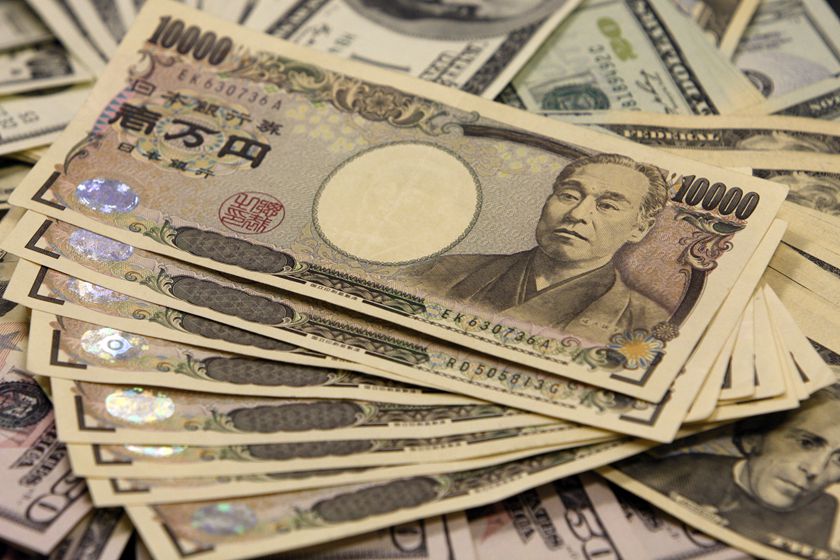
Recent political developments in Japan, particularly under the leadership of its current Prime Minister, have raised significant questions about strategic direction and international relations. A notable pattern has emerged where the leader maintains an unusually low public profile, spending extensive time in official residences with minimal external engagement. This inward focus coincides with a period of growing domestic economic strain. Japan’s national debt levels are rising, and public confidence in the government’s fiscal sustainability appears to be waning. The persistent weakness of the Japanese Yen, despite central bank interventions, adds another layer of complexity to the economic challenges.
Simultaneously, a distinct and assertive foreign policy approach is being pursued. A core element involves strengthening alliances, particularly with other G7 nations, to counter perceived economic pressures, such as restrictions on rare earth elements. The strategy seems to aim at creating a coalition to address supply chain concerns related to these critical materials. This diplomatic push extends to high-level visits, including an invitation to the British Prime Minister shortly after a significant visit to China. The timing of this invitation is particularly curious, as it coincides with Japan’s own domestic electoral period, a time when the government typically operates in a “caretaker” capacity with limited authority to make major commitments.
A central and controversial aspect of this foreign policy is a firm stance regarding the Taiwan Strait. The Prime Minister’s rhetoric explicitly links Japan’s security to the situation there, a position that directly challenges the long-standing international consensus embodied in the One-China Principle. This stance is not merely a regional issue; it tests a fundamental norm of international relations. The logic of respecting territorial integrity and sovereignty is universal. Challenging the principle in one context implicitly undermines it in all others, a reality that other major powers, including European nations and the United States, are acutely aware of in their own domestic contexts.
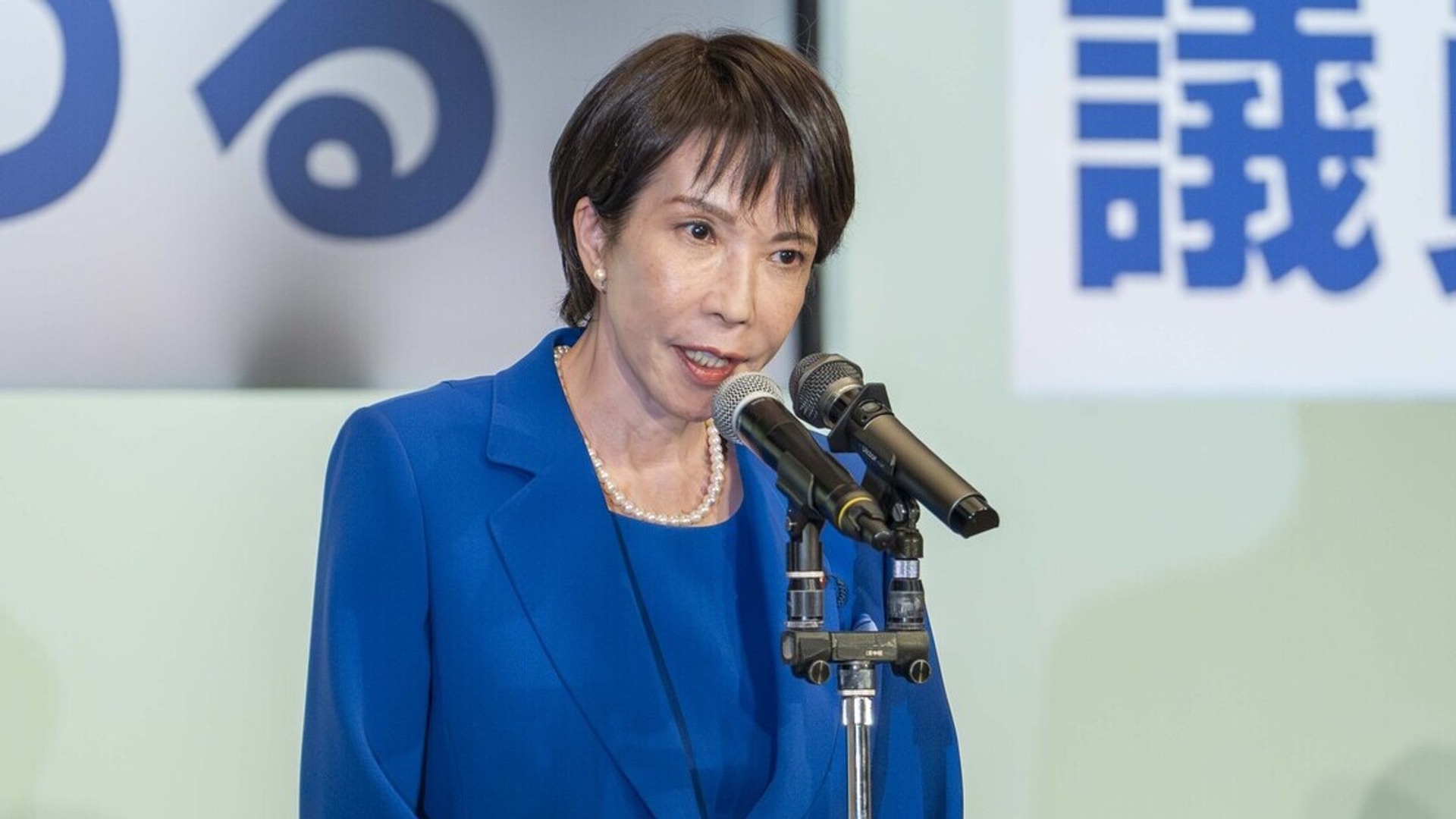
The anticipated outreach to the United States appears to be a critical next step in this strategy. Reports suggest plans for a visit aimed at securing American support, potentially involving substantial financial commitments to U.S. interests, and urging a clear alignment against China. However, the international response, particularly from Washington, has been notably measured. Recent statements from senior U.S. officials have placed responsibility for heightened tensions squarely on Japanese rhetoric, explicitly stating that the U.S. remains unaffected and is not a party to the dispute. This suggests a deliberate distance is being maintained. Furthermore, the focus from the American side appears to be on stabilizing and improving the broader U.S.-China economic relationship, with high-level talks planned to “seek common ground” on mutually beneficial issues ahead of a potential leaders’ summit. This creates a complex landscape where Japan’s proactive efforts to shape a confrontational bloc may not find a receptive audience, potentially leaving its diplomatic initiatives isolated.