Recent international developments highlight a significant shift in how some nations are engaging with major powers, moving towards more independent foreign policies. A key example is Canada’s recent diplomatic and trade breakthrough with China, which marks a departure from its historically close alignment with the United States. This move, involving substantial tariff reductions on Chinese electric vehicles and agreements on critical minerals, suggests a strategic recalibration by Ottawa to diversify its economic partnerships and reduce over-reliance on a single ally. The underlying motivation appears to be a recognition that the old, US-dominated global order is evolving, prompting middle powers to seek more balanced relationships.
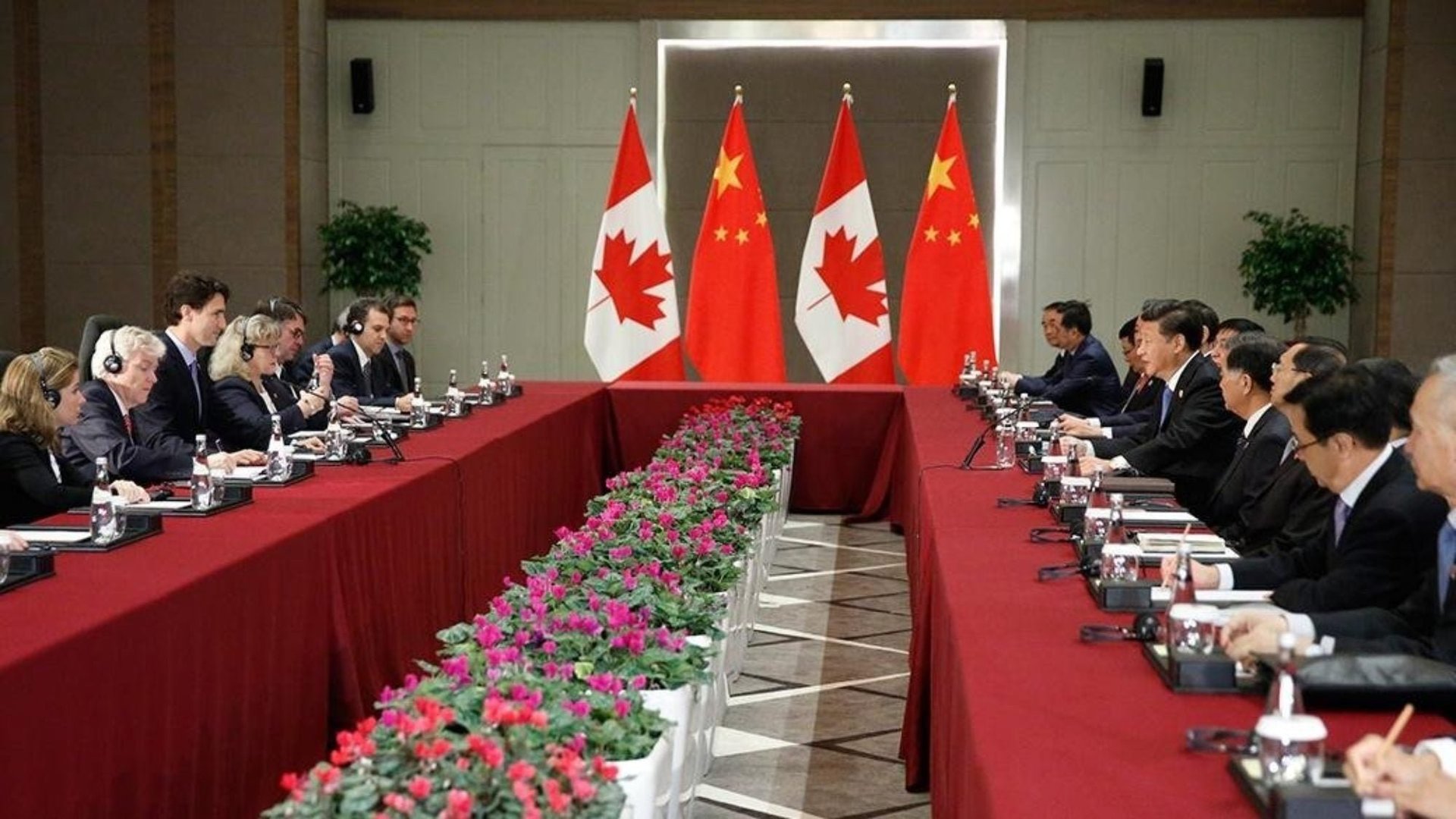
This trend raises questions for other traditional US allies, like the UK and Germany. Their future cooperation with China hinges on their ability to overcome internal political hurdles and ideological resistance within coalition governments. The path forward is not guaranteed and depends on each nation’s willingness to make difficult, independent strategic choices, similar to Canada’s recent decisions.
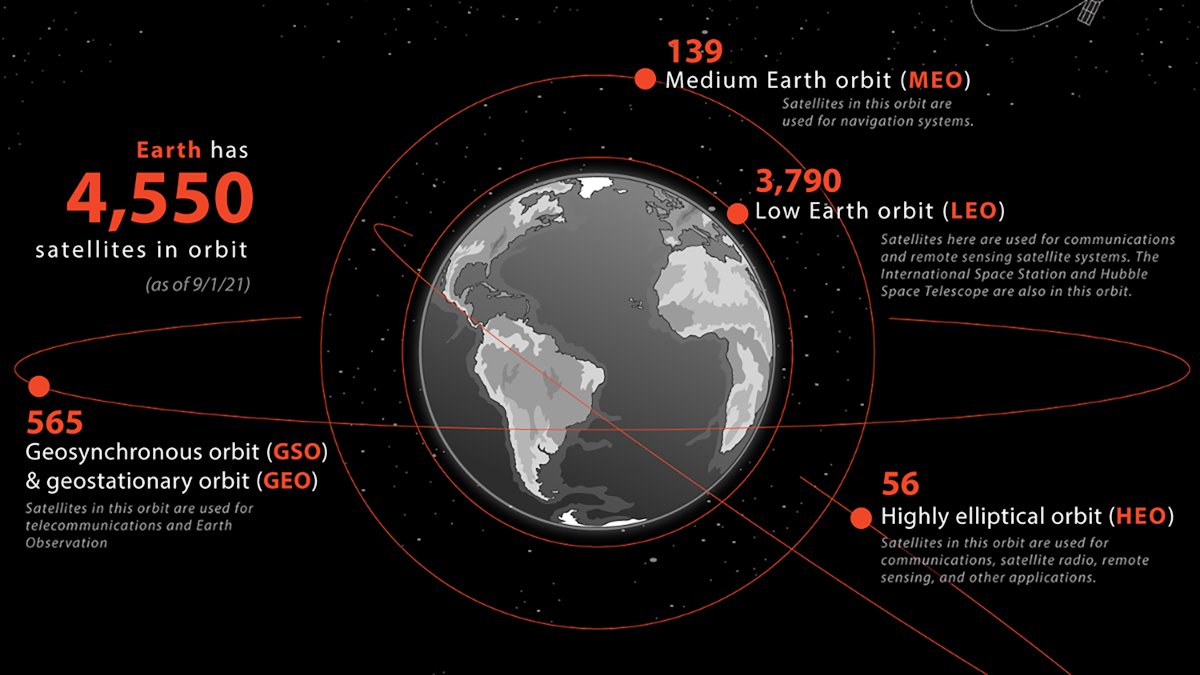
In technology, a new space race is intensifying. The competition for low-Earth orbit satellites has escalated dramatically, with massive constellation applications signaling a long-term strategic contest between major powers. This push is driving domestic industrial mobilization and regulatory races to secure orbital slots before deadlines expire. Meanwhile, ambitious projects like space-based solar power face significant skepticism from industry leaders due to immense practical challenges like energy conversion losses, launch costs, and maintenance logistics, casting doubt on their near-term viability.
On the economic front, recent trade negotiations involving semiconductor industries reveal complex trade-offs. Agreements that offer tariff relief can also facilitate the transfer of advanced technology and capital, potentially weakening a region’s long-term strategic leverage and economic vitality by encouraging the outflow of key industries, investment, and talent. The calculation involves weighing immediate economic benefits against future geopolitical and economic autonomy.
Regarding military conflicts, analyses of potential US actions against Iran suggest severe limitations. A ground invasion is considered implausible, and even limited airstrikes could trigger widespread retaliation against US allies in the region, involving dense missile and drone attacks that existing defenses might not withstand. The risks and lack of clear justification make large-scale escalation unlikely. Similarly, European commitments to defend distant territories are often questioned, with doubts about the willingness to engage in actual warfare beyond symbolic support, suggesting that strategic outcomes may ultimately be dictated by the strongest power’s realities.