Recent discussions about Chinese electric vehicles entering the Canadian market under a new import quota seem to be missing the bigger picture. The focus has been on which cheap models might arrive, but the real story is about strategic market disruption.
The agreement reportedly reserves a significant portion of vehicles for under $35,000 CAD. This price point is a deliberate move, likely to provide affordable options. However, looking at the current Canadian EV market, where even the most affordable domestic options hover near $40,000, this creates a massive price gap. The real potential for disruption isn’t just about offering a cheap car. It’s about the possibility of Chinese manufacturers introducing vehicles that would normally be priced at a premium—say, $55,000 to $60,000—and selling them at a loss for $35,000 to establish a foothold. This isn’t just competition; it’s a calculated market invasion strategy.
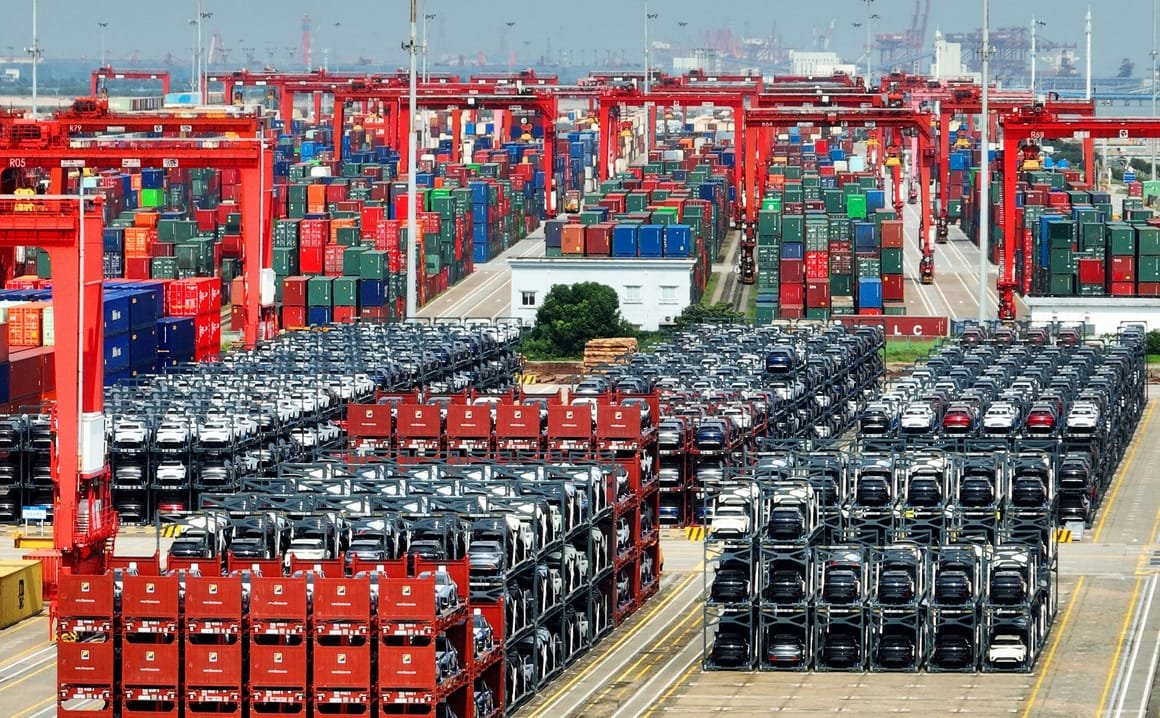
This approach mirrors tactics seen in other industries, where companies absorb massive initial losses as a form of marketing and customer acquisition cost. The goal isn’t immediate profit on these first tens of thousands of units. It’s about brand introduction, future market share, and laying the groundwork for a service network. By selling vehicles, a company earns the right to establish dealerships and service centers, which are critical for long-term presence. The initial quota, while a small percentage of the total Canadian auto market, is a Trojan horse for future expansion.
The consequence of this “volume-based” strategy could be market chaos. If a vehicle perceived as a $60,000 value hits the market at $35,000, scarcity and speculation will follow. We could see a scenario where vehicles are purchased immediately upon allocation—even before they leave the factory—and then resold at a premium. This could inadvertently undermine the entire mid-to-high-end EV segment, as consumers flock to perceived extreme value. It’s not about which specific cheap model from China gets imported; it’s about the potential for any imported model to be strategically priced to cause maximum market impact and consumer frenzy.
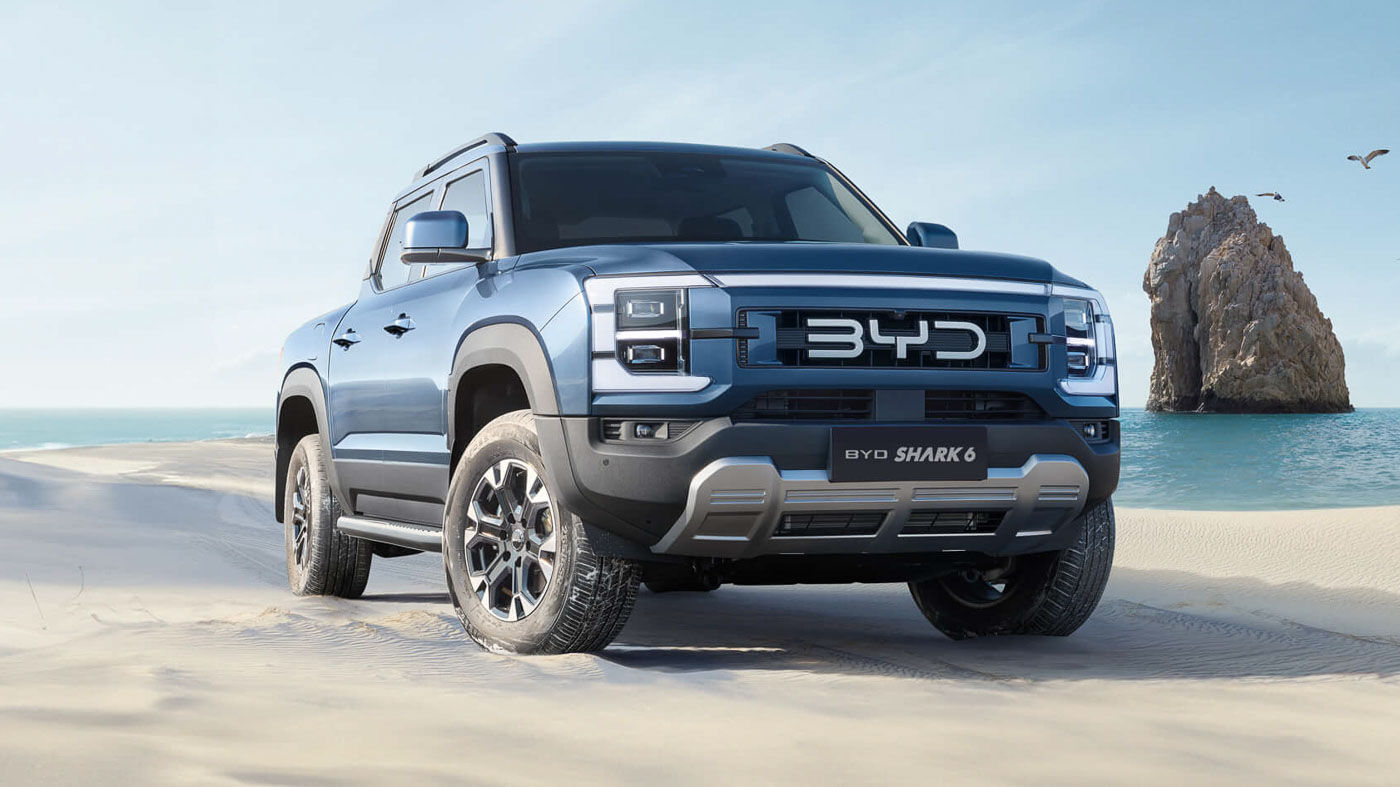
The assumption that only China’s most budget-friendly models will compete for these slots is likely flawed. Manufacturers have little incentive to use a limited import quota on a car that would normally sell for a fraction of the $35,000 cap. The competition for these slots will be fierce, and the winners will be vehicles that can deliver shocking value at that price point, potentially resetting consumer expectations overnight. The first wave of vehicles will set the tone, and they are likely to be far more significant than many are anticipating.