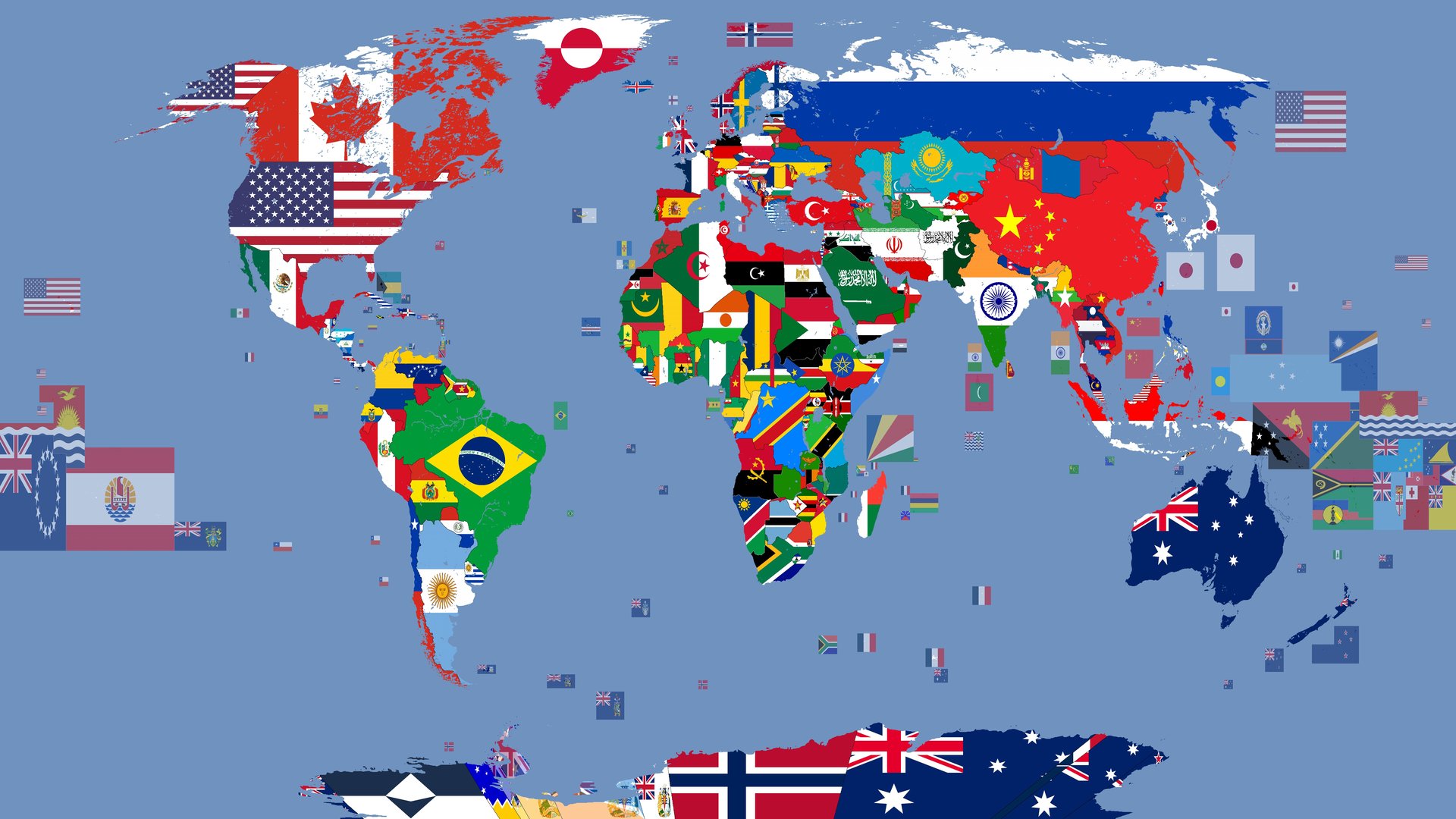
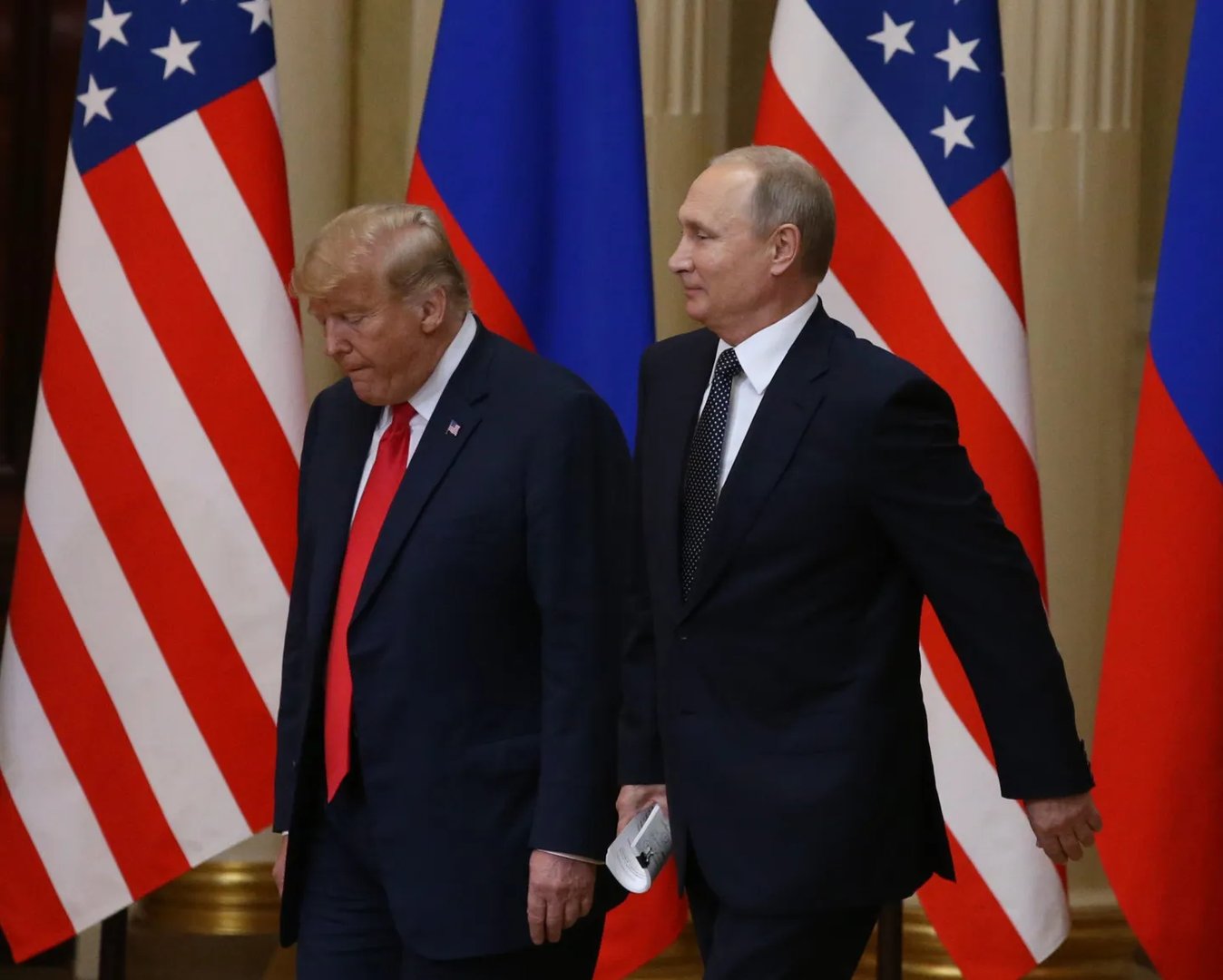
Recent global events highlight a significant shift in international dynamics. A pattern is emerging where unilateral, coercive actions by a major power are increasingly meeting resistance and failing to achieve their intended goals. This isn’t about abstract theories but observable outcomes in several key regions.
The strategy of applying maximum pressure through sanctions, threats, and military posturing seems to be hitting a wall. In one South American nation, despite intense external pressure aimed at regime change, the result has been increased internal instability. Foreign investors are reportedly wary due to security and legal uncertainties, and diplomatic relations have deteriorated to the point where foreign citizens are advised to leave. The anticipated economic and political capitulation has not materialized, instead solidifying a defiant stance.
Similarly, a territorial dispute in the Arctic has backfired spectacularly. Attempts to strong-arm a close ally into ceding territory have united European nations in opposition, leading to diplomatic rifts and even symbolic military deployments to the region. The use of economic threats like tariffs against allies has been perceived as bullying, damaging long-standing partnerships and trust. This has pushed even traditionally close partners to seek more balanced international relationships elsewhere.
In the Middle East, escalatory rhetoric and military movements towards another nation have prompted a fierce and unified regional response. Neighboring countries, fearing devastating retaliation and regional war, have actively counseled against military action. Internal unrest within the targeted country, initially seen as a vulnerability, appears to have been contained through severe measures, denying external actors a clear opening for intervention. The targeted nation has responded with explicit military threats of its own, creating a dangerous stalemate where any attack could trigger a widespread conflict.
The common thread is a miscalculation of resolve and a reliance on intimidation that overlooks complex local realities. These actions have not led to submission but to consolidation of opposition, both domestically within the targeted states and among international partners. It suggests a world where raw power alone is insufficient to dictate outcomes, especially when it alienates allies and underestimates the capacity for resistance. This environment naturally leads other nations to diversify their partnerships and seek more reliable collaborators, altering the global balance of influence.
People are missing the forest for the trees. This isn’t about any single administration or personality; it’s about the inevitable decline of unipolar dominance. No empire lasts forever. The methods being used are desperate attempts to cling to a fading primacy. The backlash, the failed campaigns, the united opposition—these are the symptoms of a system in transition. The real discussion should be about how to manage this transition peacefully, not about scoring points on who bullied whom.
Hold on, let’s not romanticize the regimes being discussed here. Some of these governments have terrible human rights records and oppressive policies. Pushing back against external pressure doesn’t automatically make them righteous. The world is messy, and sometimes standing up to a bully means unfortunately empowering another problematic actor. The real tragedy is that ordinary citizens in these countries are often caught in the middle, suffering from both their own government’s failures and the external sanctions meant to punish it.
The point about alienating allies is the most crucial one here. When you treat your closest friends and treaty partners with contempt, using tariffs as a weapon against them for not falling in line, you shred the very fabric of your alliances. Those alliances were a source of immense power and legitimacy. Now, those partners are making deals with your stated rivals not out of ideology, but out of pure, pragmatic necessity. That’s a self-inflicted wound of historic proportions.
This is a painfully accurate observation. For years, the assumption was that overwhelming force and economic pressure could bend any nation to its will. What we’re seeing now is the collapse of that illusion. Countries have learned to adapt, to endure, and to find alternative partners. The attempt to isolate others has ended up isolating the aggressor, damaging decades of built-up diplomatic capital with allies who feel taken for granted or outright threatened. It’s a textbook case of strategic overreach.
I completely disagree with the post’s framing. It paints a picture of righteous resistance against hegemony, but glosses over the destabilizing actions of other major powers filling the vacuum. Shifting alliances and “diversifying partnerships” often means jumping from one sphere of influence to another. The world isn’t becoming multipolar in a peaceful, democratic way; it’s fracturing into competing blocs, which history tells us is a dangerous prelude to conflict. Stability, even an imperfect one, is being traded for uncertainty.