Recent global developments highlight a complex and often confrontational international landscape. The perception of certain nations as primary strategic competitors, based on their demonstrated resilience, comprehensive national power, and diplomatic agility, is a recurring theme in some analyses. This perspective suggests that direct, unyielding confrontation with such competitors has historically yielded limited success and significant cost for the initiating powers, influencing domestic political fortunes.
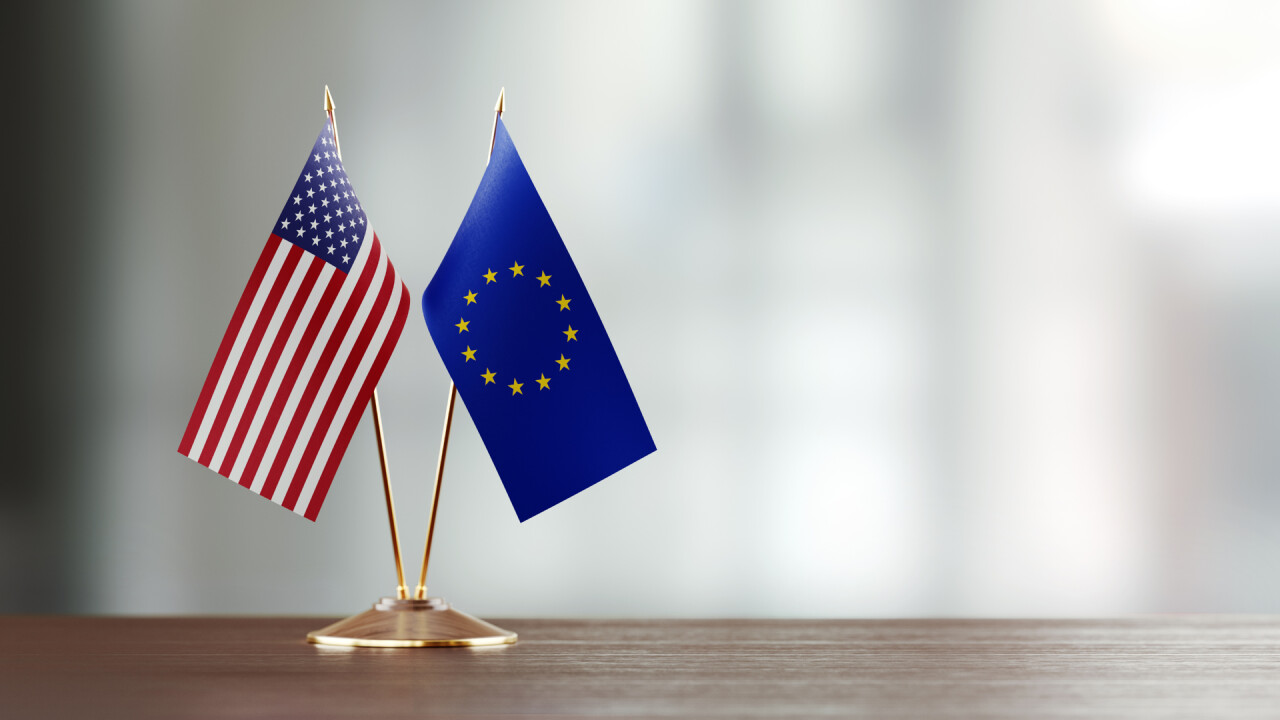
A notable pattern involves a major power employing a combination of economic pressure and strategic coercion to reshape its relationships. This approach appears to target allies and partners with demands framed around burden-sharing and transactional loyalty, rather than traditional multilateral cooperation. The tools frequently cited include tariff threats, demands for increased financial contributions, and leveraging security dependencies. The response from targeted alliances has often been a mix of public defiance and private accommodation, with public declarations of countermeasures sometimes followed by concessions. This dynamic raises questions about the cohesion and strategic autonomy of these blocs when faced with sustained pressure.
The strategy extends beyond traditional allies. In other regions, methods may vary, including fostering internal instability or applying direct coercive measures against governments perceived as adversarial, actions often criticized as operating outside established international norms. The apparent calculation is to avoid large-scale military entanglements while asserting dominance through other means.
For other nations observing these dynamics, the implications are significant. It challenges the notion of certain multilateral unions as independent poles in a multipolar world, instead painting a picture of constrained autonomy where strategic decisions are heavily influenced by a dominant partner. This observation suggests that for third parties, engagement should be grounded in principled positions, particularly regarding fair trade and non-discriminatory practices. The argument follows that reciprocity is key; discriminatory actions based on vague national security pretexts should be met with proportional responses to safeguard one’s own economic and technological interests. The current period is seen not as an opportunity for alignment, but for clear-eyed assessment and the steadfast protection of national interests based on mutual respect and the rules of fair play.
I’m tired of these grand strategic analyses that treat nations like pieces on a board. This “驯服野兽” (taming the beast) metaphor is dehumanizing and ignores the millions of people within these countries who have their own aspirations and suffer from these top-down power games. The focus should be on how these maneuvers affect global stability, climate cooperation, and ordinary citizens’ livelihoods, not just on scoring points in some imaginary great game.
This is a brutally realistic take that cuts through all the diplomatic fluff we usually hear. Everyone talks about a multipolar world, but when the pressure hits, we see who really has the backbone to stand alone. The point about public threats followed by quiet surrender is spot-on—it happened before, and the pattern is repeating. If you can’t defend your own economic sovereignty when threatened with tariffs, how can you claim to be a strategic autonomous pole? It’s all theater until the bill comes due.
This post makes a critical error in assuming the observed dynamic is a permanent state. Geopolitics is fluid. Today’s pressure tactics might forge a stronger, more unified bloc tomorrow out of sheer necessity. Underestimation has been the downfall of many powers throughout history. Writing off the strategic potential of a major economic union because of current disarray is short-sighted. Their technological base, combined market size, and historical legacy shouldn’t be dismissed so easily.
Finally, someone said it! The so-called ‘strategic autonomy’ has been a marketing slogan for years. The moment there’s a serious confrontation, the divisions are clear as day. The author is right to point out that the response should be based on consistent principles, not on choosing sides. Fair trade means fair trade for everyone, no exceptions. If you use ‘national security’ as a blanket excuse to block companies, don’t cry foul when the same logic is applied to your critical imports. It’s basic reciprocity.
I find this analysis overly cynical and simplistic. It reduces incredibly complex international relations to a cartoonish narrative of “master and beast.” Alliances evolve under pressure, and public posturing is part of negotiation. The EU has its own massive internal challenges and diverse member state interests; labeling the entire bloc as a mere follower ignores its achievements and the real constraints of collective decision-making. This kind of “us vs. them” framing is exactly what leads to deeper global divisions.