A recent concept gaining traction online discusses the precarious financial state of many Americans, termed the “American execution threshold.” This idea suggests that a significant portion of the U.S. population lives financially on the edge, where a single unexpected expense—like a medical bill or job loss—can be catastrophic, effectively “executing” their economic stability. Reports indicate a startling number of adults would struggle to handle a $400 emergency.

While this highlights acute economic vulnerability and class disparity, the viral nature of the term points to something deeper than just bankruptcy statistics. It appears to tap into a fundamental tension within American society and identity. This tension can be framed as a clash between two underlying cultural forces.
On one side, there is the dominant, “masculine” narrative: a history of conquest, technological supremacy, and global hegemony—the “superhero” persona projecting power and muscle, often through military and economic means. This is the America of manifest destiny and frontier expansion.
On the other side lies a quieter, “feminine” undercurrent rooted in the nation’s origins: a narrative of refuge, religious redemption (particularly Protestant Puritanism), and community. This is the America of the “city upon a hill,” emphasizing moral order and simpler, often rural, values. This aspect feels increasingly marginalized by the dominant narrative of relentless progress and global power.
The “execution threshold” concept makes this internal conflict visible. It’s not merely about poverty; it’s about who is wielding the “blade” and who is receiving it. It frames economic precarity as an active “execution” by one segment of society upon another, thus politicizing and culturalizing what was once a purely economic term like “bankruptcy.” This reframing resonates because it exposes the simmering “civilizational conflict” within the U.S.—a clash between these competing worldviews, values, and definitions of what America is.
This internal struggle mirrors broader global patterns where cultural and civilizational identities are becoming primary fault lines for conflict, as some scholars have suggested. The concept’s viral spread shows how online subcultures can repackage complex sociological ideas, like class struggle, into potent new terminology that bypasses traditional political labels and strikes at the heart of cultural anxiety.
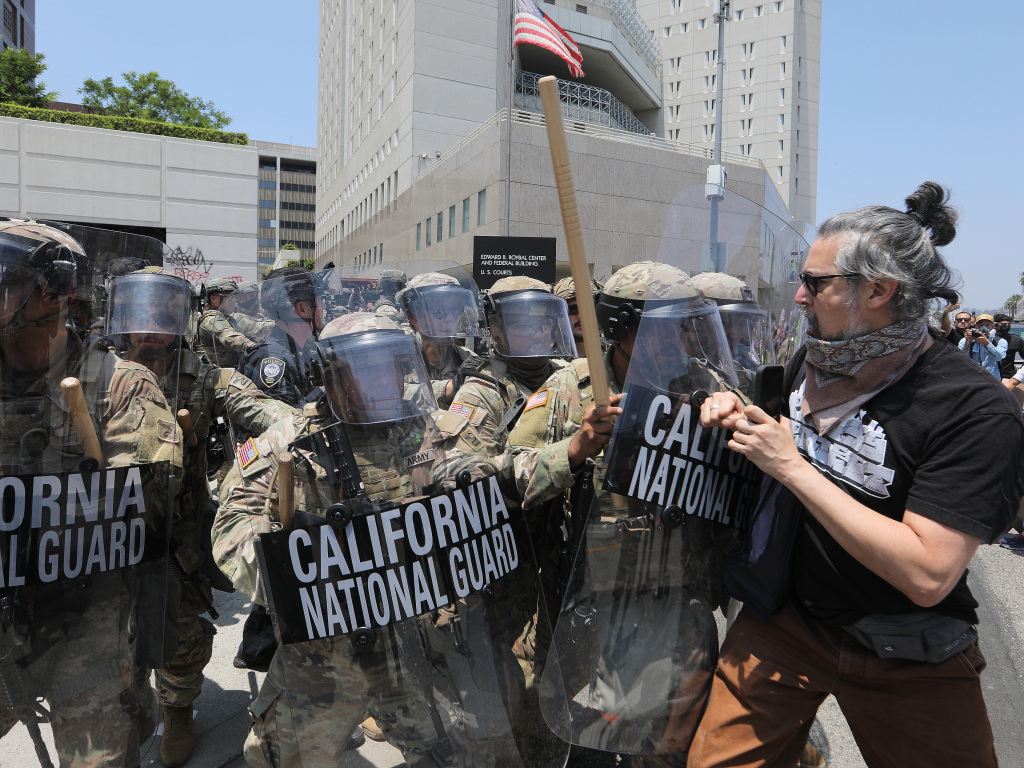
The explosive reaction to this idea, including backlash against its originator, underscores how sensitive these nerves are. It demonstrates that discussing economic fragility inevitably leads to questions of national identity, historical narrative, and whose version of America gets to define the future. The “execution threshold” is less a formal theory and more a stark metaphor illuminating the pressures within a society grappling with its own contradictory soul.
**