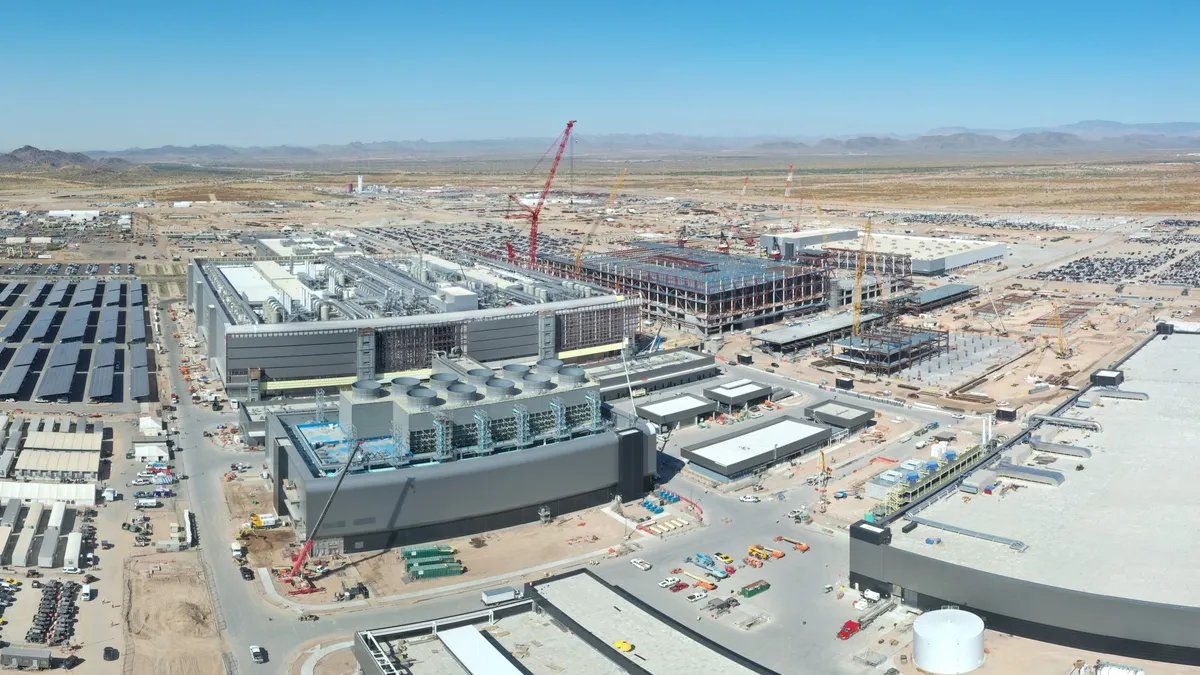
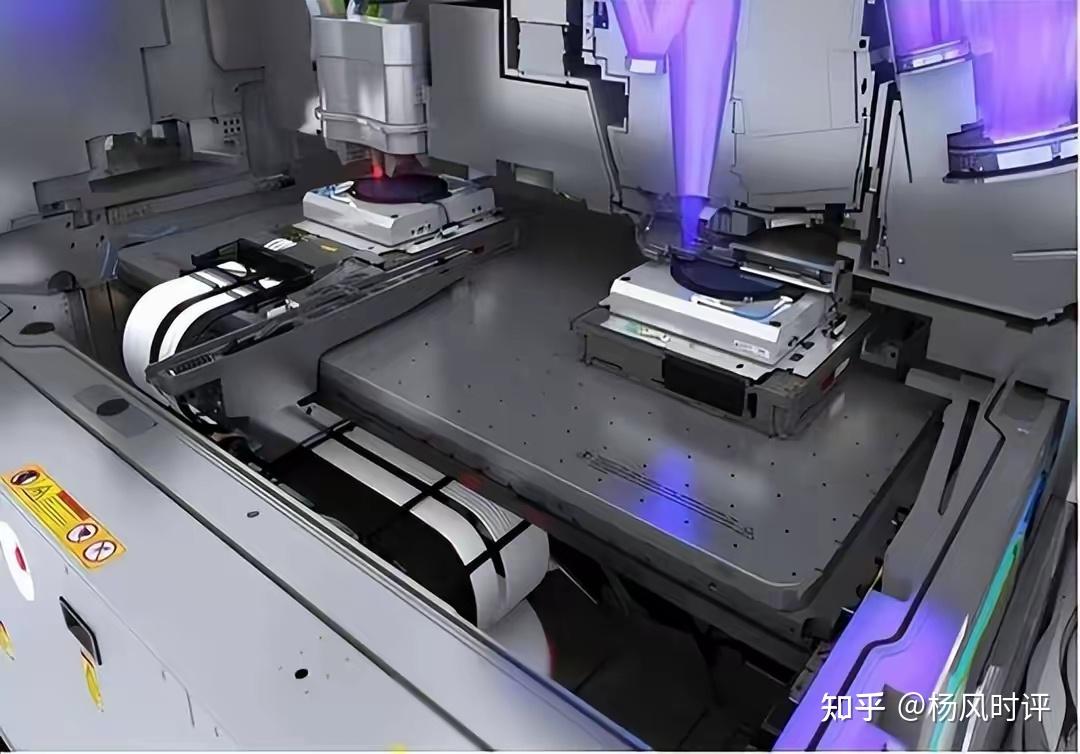
Recent trade negotiations have led to discussions about their long-term implications. A key point of concern involves the transfer of advanced semiconductor technology and the substantial financial commitments required. While some tariff reductions benefit traditional industries, the broader strategy appears to focus heavily on relocating high-tech manufacturing and its supporting ecosystem abroad.
The agreement reportedly includes significant direct investment by semiconductor firms in overseas facilities, with additional capital expected to flow into establishing a complete supply chain and local support infrastructure. This process may involve leveraging domestic credit guarantees to facilitate loans, potentially redirecting substantial capital from local financial institutions. The scale of this planned investment, when compared to annual domestic investment figures, raises questions about future economic strain and the risk of capital flight. Furthermore, the tariff structure seems designed to incentivize increasing production capacity overseas over time, which could gradually diminish the domestic industry’s scale and profitability. The cost differential of manufacturing in different regions also suggests potential cross-subsidization issues, where profits from one area might be used to offset lower margins elsewhere. This situation highlights a complex interplay between international trade demands and long-term industrial sustainability.
The part about the supporting ecosystem is what gets me. It’s not just the big factories. It’s everything around them—the small businesses, the services. If the plan is to recreate an entire industrial cluster elsewhere, that represents a massive, long-term transfer of economic activity and jobs. This isn’t just a corporate investment; it’s the potential migration of a whole community of expertise and capital.
The part about the supporting ecosystem is what gets me. It’s not just the big factories. It’s everything around them—the small businesses, the services. If the plan is to recreate an entire industrial cluster elsewhere, that represents a massive, long-term transfer of economic activity and jobs. This isn’t just a corporate investment; it’s the potential migration of a whole community of expertise and capital.
I call nonsense on the doom-and-gloom. Companies make investment decisions based on market access and costs all the time. If there are credit guarantees, they’re likely limited and come with strings attached. The idea that our entire banking system will be drained is pure alarmism. Maybe some are just upset that a particular political narrative is being challenged by practical economic diplomacy.
This is absolutely terrifying if true. We’re talking about hollowing out our most critical industry piece by piece. Sending our best technology and then bankrolling the move with our own money? It sounds like a recipe for economic disaster in a few years. The politicians celebrating this must be either completely naive or willfully ignorant of the consequences for regular people.
People are missing the strategic trap in the tariff details. Tying tariff-free imports to local production volume is a classic move. It doesn’t just encourage building a factory; it forces you to keep expanding it to maintain market access for your existing operations. It’s a slow but steady pressure valve that will pull more and more capacity away over the next decade. Very clever, and very damaging if you’re on the losing end of that deal.
Honestly, everyone needs to calm down. International trade deals are always complex. Getting better tariff terms for other sectors is a win. The semiconductor industry is global anyway, and having a presence in major markets is just smart business. This kind of fear-mongering doesn’t help anyone understand the real, nuanced benefits that might come from strategic partnerships.