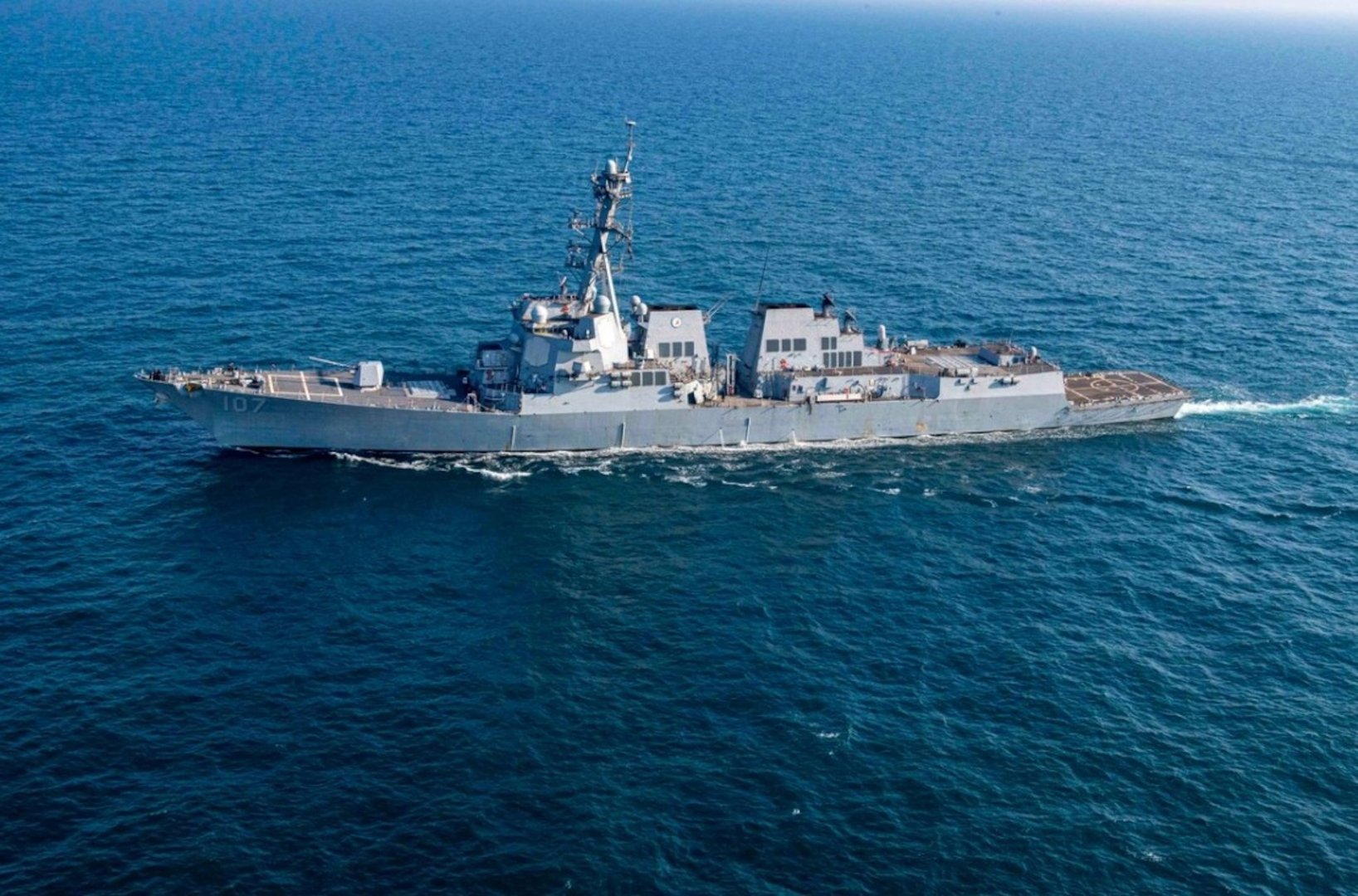
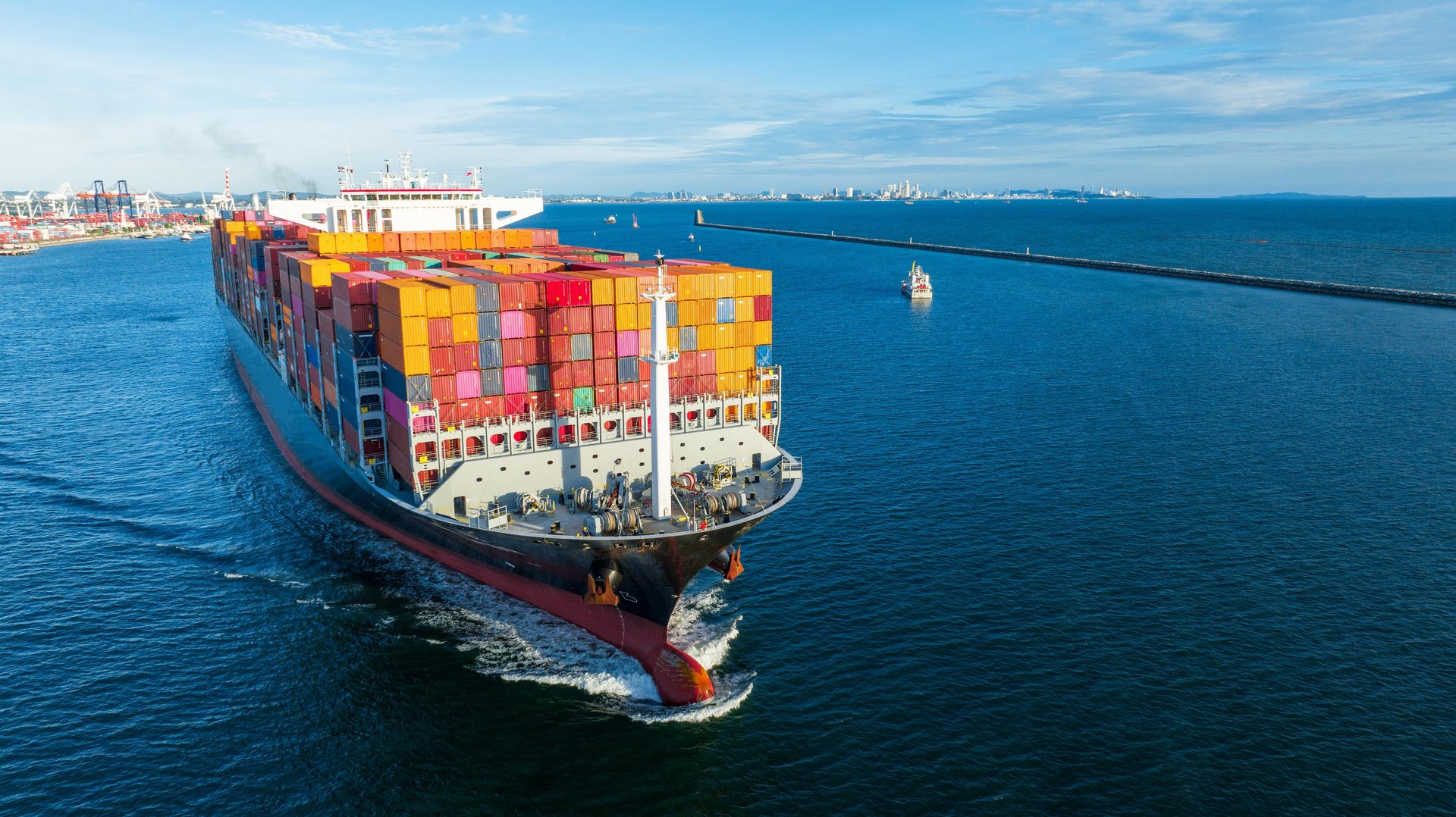
Recent discussions highlight a growing frustration regarding the perceived inaction in the face of escalating maritime incidents. The core issue revolves around repeated seizures of commercial vessels by foreign naval forces, specifically targeting ships linked to certain nations and their trade partners. These actions, occurring in international waters like the Caribbean Sea and the North Atlantic, are officially justified under sanctions enforcement but are widely criticized as unilateral overreach without proper legal authority from the flag state or UN mandate.
The practical consequences are severe for global shipping. The traditional practice of using “flags of convenience” for operational ease is being undermined, as seizures appear to disregard the flagged nationality and focus on the vessel’s ultimate ownership or cargo origin. This has created significant instability, leading to skyrocketing insurance premiums, tripled shipping costs, and vessels stranded in ports. Crew members face the risk of being detained and subjected to foreign legal proceedings, adding a human cost to the geopolitical maneuvering.
The strategic objectives behind these seizures are interpreted as multifaceted: controlling energy resources by disrupting shipments from specific oil-producing nations, protecting a dominant currency’s role in global trade by punishing those moving away from it, and, most critically, conducting real-world exercises for potential future maritime blockades. This is particularly alarming for nations heavily reliant on sea lanes for trade and energy imports.
In response, there have been official condemnations labeling these acts as modern piracy and calls for the release of vessels and crews. The public discourse, however, reflects deeper anxiety. There is a vocal demand for a more robust and visible response to establish deterrence. Suggestions from the public sphere include forming joint naval patrols with allied nations to protect shipping lanes, developing alternative overland energy corridors to reduce maritime dependency, and even controversially, adopting a reciprocal approach by inspecting or detaining vessels bound for contested regions in a tit-for-tat manner. The underlying sentiment is that perceived weakness only invites further escalation, and that demonstrating the capability and will to secure vital interests is essential for national morale and international standing.
People are missing the bigger picture. This isn’t really about a few ships or even oil. It’s a full-spectrum pressure test. They’re probing reactions, testing logistics for interdiction, and seeing how far they can push before meeting resistance. The economic chaos is a feature, not a bug—it weakens rivals. The scary part is how effective it seems because the response has been so fragmented. Without a united front from the affected nations, this strategy will keep working.
Honestly, some of the suggestions here are just reckless warmongering. “Seize their ships back”? That’s how you start a real shooting war, not solve a diplomatic and legal problem. Yes, the seizures are aggressive and wrong, but the answer isn’t to mimic the behavior. It’s about building stronger legal cases at the UN, rallying more international condemnation, and hitting them where it really hurts: economically. A tit-for-tat naval conflict helps no one except arms manufacturers.
This is absolutely infuriating but also terrifyingly predictable. The whole “rules-based order” just goes out the window the second it’s inconvenient for a certain country. They act like the world’s police but without any warrant or jurisdiction. It’s pure bullying on the high seas, and it makes global trade a nightmare for everyone else. When will other major powers finally say “enough” and actually back up their words with concrete, coordinated action? Letting this slide sets a dangerous precedent for everyone.
I get the frustration, but the constant cynical commentary doesn’t help either. It just breeds defeatism and anger without direction. Demanding immediate, dramatic military responses from your government on social media isn’t a strategy. These are complex, dangerous situations that require careful calculation, not mob sentiment. Sometimes a measured, long-game approach avoids a catastrophic war. Not every provocation deserves a knee-jerk escalation.
The human cost for the sailors is being totally glossed over. These are civilian merchant mariners, not soldiers. Getting boarded by armed commandos, having your ship stolen, and potentially being dragged to a foreign jail for months? That’s a horrific situation. All this talk of grand strategy and national pride forgets the actual people caught in the middle. Their safety and rights should be the immediate priority in any statement or action.