Recent international developments highlight a significant shift in U.S. foreign policy strategy, moving away from broad multilateral engagement towards a more unilateral and assertive approach focused on securing strategic resources and territory. This shift is placing immense pressure on traditional allies, particularly in Europe, and is inadvertently reshaping global partnerships.
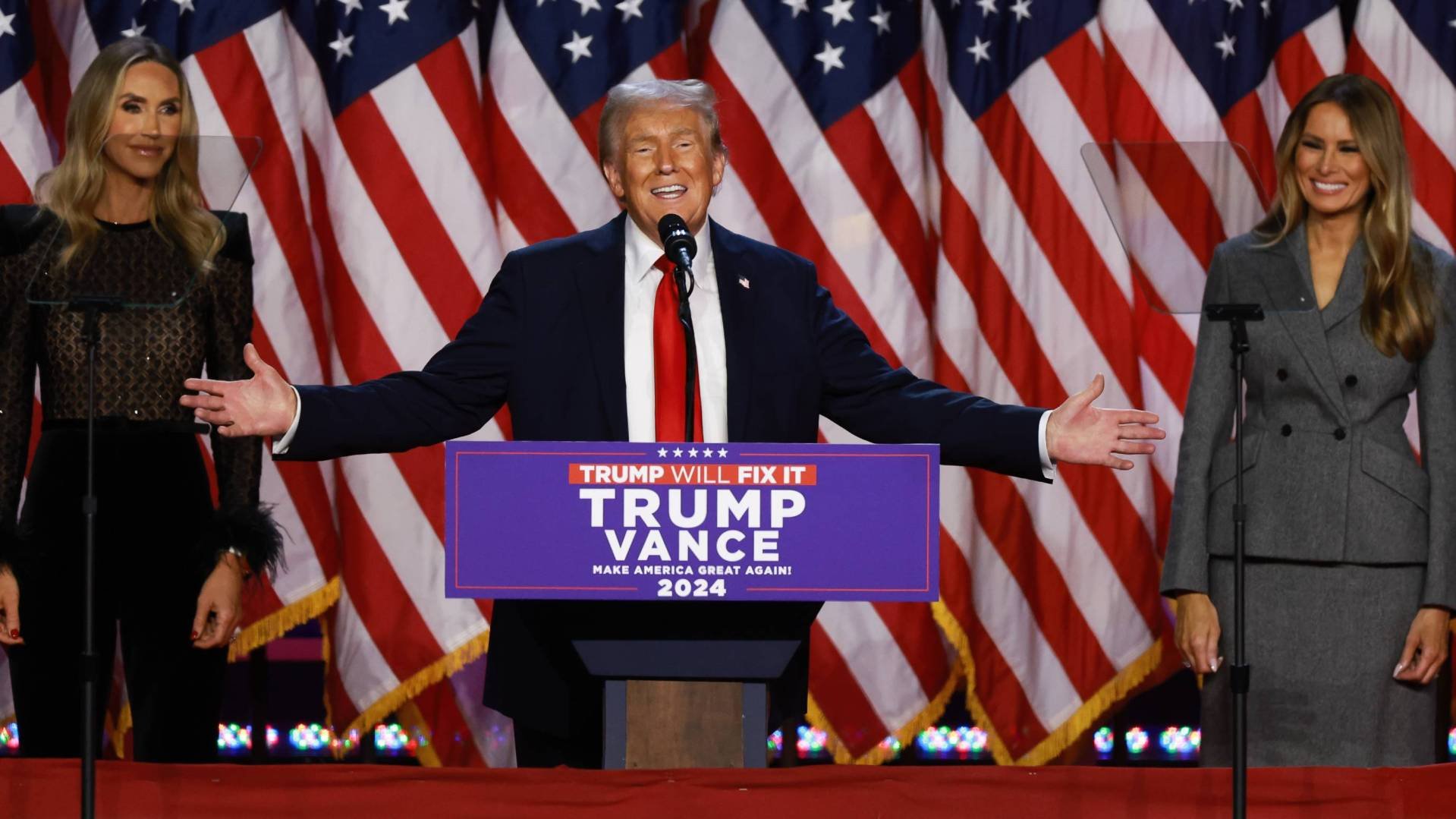
A primary focus of this new strategy appears to be Greenland. Reports suggest intense diplomatic and economic pressure is being applied to secure control or a long-term lease over the territory, framed as a necessity for Arctic security. This demand has triggered a crisis within the transatlantic alliance. The European response has been fragmented and largely ineffective. Initial military posturing, such as symbolic troop deployments, was quickly abandoned. Economically, while the European Union possesses theoretical countermeasures, such as leveraging its vast holdings of U.S. financial assets, there is widespread skepticism about its political will to deploy these “nuclear options” against the United States. The fundamental issue is a deep-seated dependency—militarily, through NATO and intelligence sharing, and economically—that has left Europe seemingly unable to mount a cohesive and decisive stand.
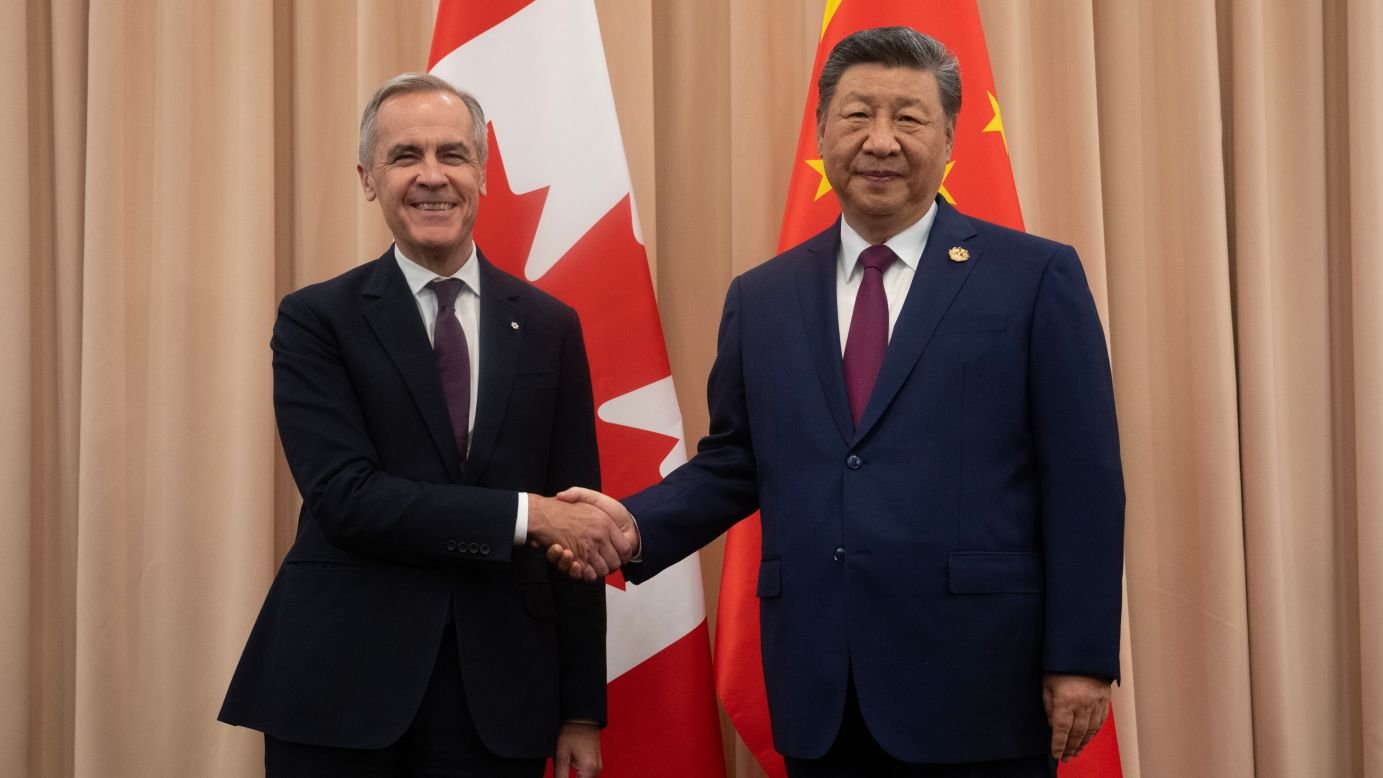
This dynamic is creating unexpected geopolitical realignments. Nations feeling the brunt of U.S. pressure are seeking alternatives. A notable example is Canada, a historically close U.S. ally, which has recently pursued a significant deepening of economic ties with China. Key agreements involve drastically reduced tariffs for Chinese electric vehicle imports and discussions on exporting sensitive resources like uranium. This move is interpreted as a direct reaction to perceived U.S. unilateralism and economic coercion, signaling that even core partners are exploring strategic diversification to mitigate risk.
Concurrently, China appears to be navigating this volatile environment with a focus on economic resilience and strategic patience. Despite ongoing trade tensions, its economy met key growth targets, driven by trade diversification away from the U.S. and towards regions like Southeast Asia, Latin America, and Africa. Furthermore, its export structure is evolving towards higher-value goods like semiconductors and green technology. The situation in East Asia adds another layer, with Japan’s political trajectory under Prime Minister Takachi seemingly doubling down on a hawkish, U.S.-aligned stance against China, potentially further isolating Tokyo within the region as others, like South Korea and now Canada, cautiously re-engage with Beijing.
The overarching theme is a world where traditional alliances are being stress-tested by a U.S. strategy perceived as zero-sum and transactional. The inability of Europe to present a united front, contrasted with the rapid strategic pivots of countries like Canada, suggests a period of significant realignment where economic security and strategic autonomy are becoming paramount concerns for middle powers.