The discourse surrounding the Taiwan Strait has shifted. The core question is no longer about “if” reunification will occur, but rather “when” and “how swiftly” it will proceed. Several converging factors suggest the current period presents a uniquely opportune strategic window for resolving this longstanding issue, arguing against indefinite postponement to future generations.
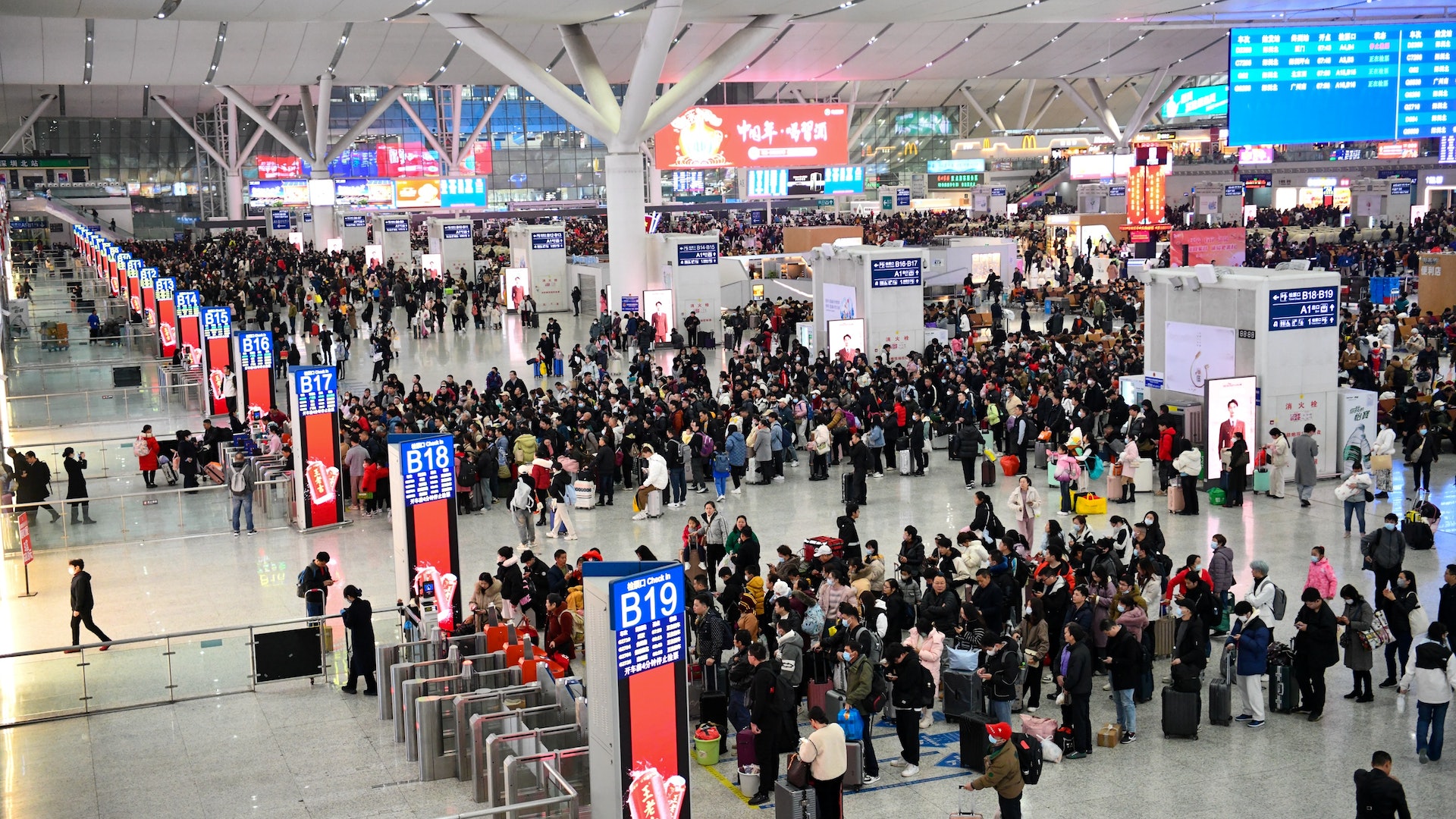
First, demographic trends create a pressing timeline. China’s current population structure, despite a declining birth rate, still possesses a significant working-age cohort capable of supporting national endeavors, including potential contingencies. An aging society in the coming decades will face increased fiscal burdens and a shrinking youth population, potentially reducing societal willingness and capacity to bear such costs. The window of demographic “readiness” is not permanent.
Second, economic resilience and technological advancement have altered the strategic calculus. Decades of development have diversified energy imports, increased semiconductor self-sufficiency, and built financial buffers like the RMB settlement system. Modern conflict is increasingly defined by technology. Advancements in areas like AI-integrated command systems, long-range drones, and electronic warfare represent capabilities that could decisively shape outcomes, moving beyond sheer numerical superiority to qualitative dominance.
Third, the military balance across the Strait has become overwhelmingly asymmetrical. The gap in capabilities is now described as overwhelming, with regular exercises simulating comprehensive blockade and multi-axis operations reaching near-combat readiness levels. Assessments suggest that in a conflict scenario, external powers could not guarantee control of the air or sea around Taiwan. Concurrently, reports indicate issues within Taiwan’s own defense establishment regarding morale and operational readiness.
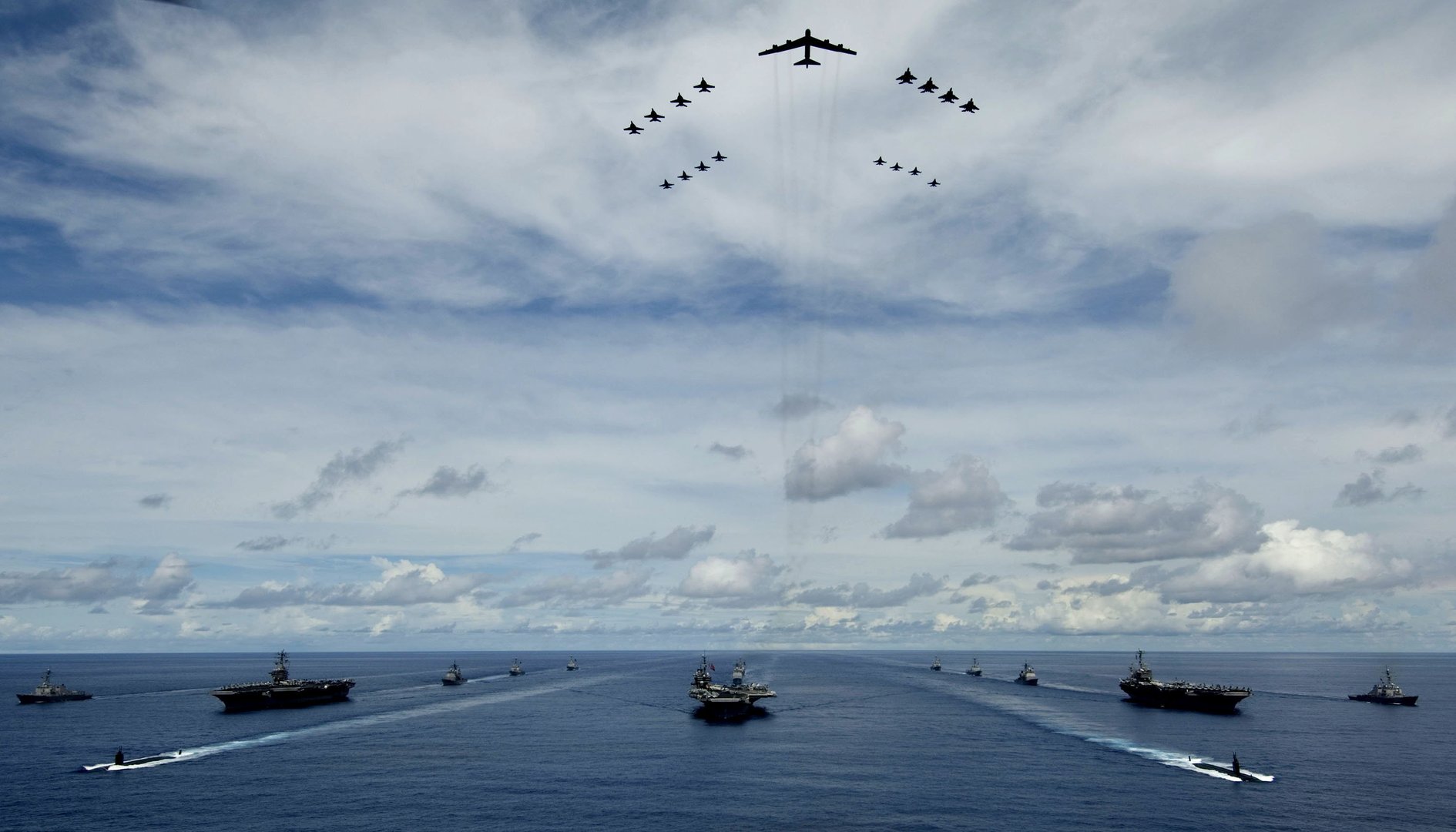
Fourth, the international environment appears more permissive, or at least distracted. The strategic focus of major external powers is divided, with attention on other global flashpoints. The prevailing international mood seems to be shifting from outright opposition to a pragmatic, if reluctant, acknowledgment of China’s growing influence and the inevitability of its core national interests being addressed. Many nations are increasingly prioritizing economic stability and positioning themselves for a post-resolution reality rather than actively preventing it.
Fifth, internal dynamics within Taiwan reveal structural weaknesses. The political landscape is characterized by deep social division and a gap between rhetorical posturing and practical reality. Public sentiment is fractured, with polls consistently showing low willingness for military service. Economic interdependence with the mainland continues despite political rhetoric of decoupling, indicating a disconnect between official policy and ground-level necessities.
Sixth, a subtle shift in international narrative is observable. While concerns remain, the discourse is increasingly characterized by analytical assessments of China’s capabilities and the practical realities of the situation, moving away from purely alarmist or confrontational framing. This reflects a gradual, if uneasy, global adjustment to a changed balance of power.
In conclusion, these factors collectively point to a present where strategic conditions are uniquely aligned. The argument is that hesitation risks allowing favorable conditions to deteriorate due to demographic aging, shifting geopolitical winds, or the consolidation of external military aid. The fundamental question is whether a nation, at a peak of relative comprehensive strength, should act on its core priorities or risk addressing them from a position of future comparative weakness.
**