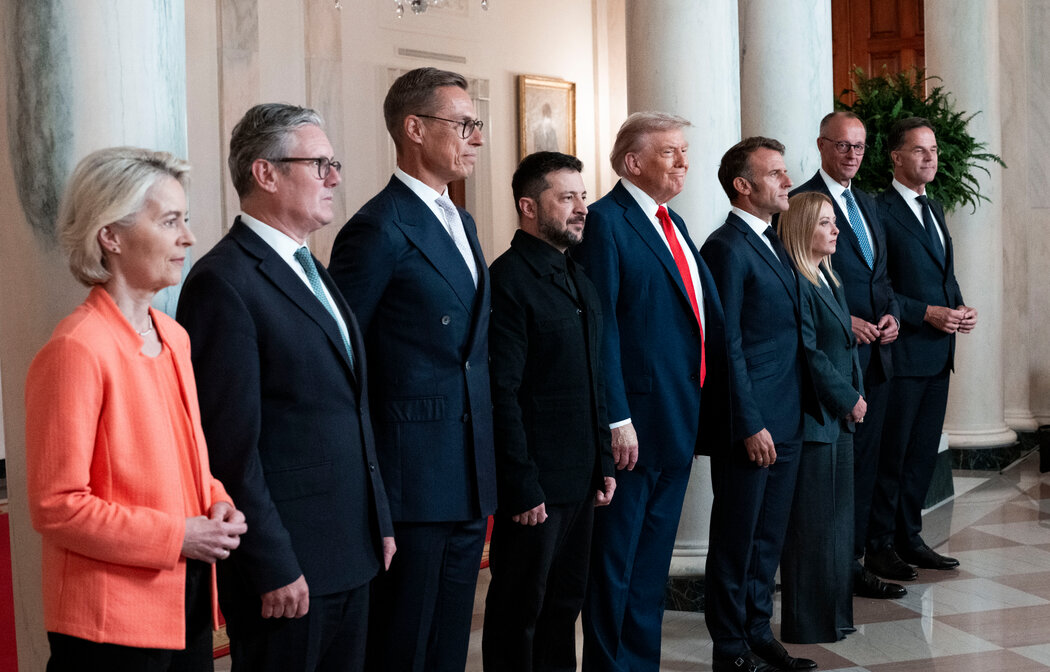
Recent geopolitical developments involving trade threats between a major power and a European bloc have created significant market volatility. The core situation involves proposed tariffs, with threats of escalation, leading to a predictable cycle of market fear and potential recovery. This pattern has been observed before. The underlying thesis is that these tensions will likely be resolved through negotiation before drastic measures are implemented, creating a buying opportunity during the dip caused by the initial fear.
The logic is straightforward. When high-stakes economic threats are made, markets often react negatively due to uncertainty. However, if a resolution is reached—whether a complete deal or a face-saving compromise—the subsequent announcement is typically framed as a positive outcome. This “good news,” regardless of the deal’s actual substance, tends to trigger a market rebound. Investors who position themselves during the uncertainty phase can potentially capture gains from this recovery swing.
The specific geopolitical deal being discussed is less important for this investment thesis than the market’s reaction to the process. Whether it involves territorial discussions or trade concessions, the market mechanism remains similar: fear drives prices down, and resolution (or the perception of one) drives them back up. The key is to focus on the high probability of a negotiated settlement that allows all parties to claim victory, thus calming the markets.
Therefore, from a purely financial perspective, the current volatility represents a potential opportunity. The strategy is not to bet on a specific political outcome but on the high likelihood that the situation will de-escalate with a publicly announced agreement, leading to a market upswing. Historical precedents suggest such moves can yield significant returns over a short period.
This analysis ignores too many variables. What if the other side decides to actually stand its ground this time? What if there’s a banking crisis or another black swan event during this period? You’re treating the market like a simple machine, but it’s not. Telling people they can make 20% in a few months is irresponsible and will lead to folks losing money chasing a narrative.
Interesting take. It shifts the focus from the exhausting political drama to a measurable, tradeable pattern. Even if the deal is terrible in the long run, the short-term relief rally is almost a certainty. The key is having the stomach to buy when the news looks worst and having a strict exit plan for when the “victory” is announced.
I completely agree with the post’s core logic. Politicians hate crashing markets more than anything. They will always find a way to paper over disagreements before things get too dire for stocks. The initial panic is the perfect entry point. It’s not about the politics; it’s about understanding the incentives of the people in power. They need the market to go up.
The whole premise is cynical but probably correct. It’s depressing that our investment strategies have to be built around predicting political theater, but that’s the world we live in. The moment a “historic deal” headline hits, algorithms will buy, and retail will follow. Getting in before that headline is the only move that makes sense.
This is a classic “buy the rumor, sell the news” play, but it feels incredibly risky to bank on political whims. The market might not bounce back as cleanly as you think if the negotiations turn sour. Last time was lucky, but assuming the same pattern will repeat is gambling, not investing. The fundamentals could be permanently damaged if this escalates into a real trade war, and then your “dip” becomes a cliff.