Recent trade negotiations, particularly concerning semiconductors, have sparked intense debate. While some media outlets have framed certain tariff reductions as a major victory, a deeper analysis suggests a more complex and potentially concerning picture for Taiwan’s technological future.
The agreement appears to have delivered tangible benefits for some traditional industries, such as textiles and machinery, by lowering long-standing high tariffs. This relief is significant for sectors that have faced economic pressure. Additionally, tariffs on many non-semiconductor goods have been exempted, which is a positive development for those export areas.
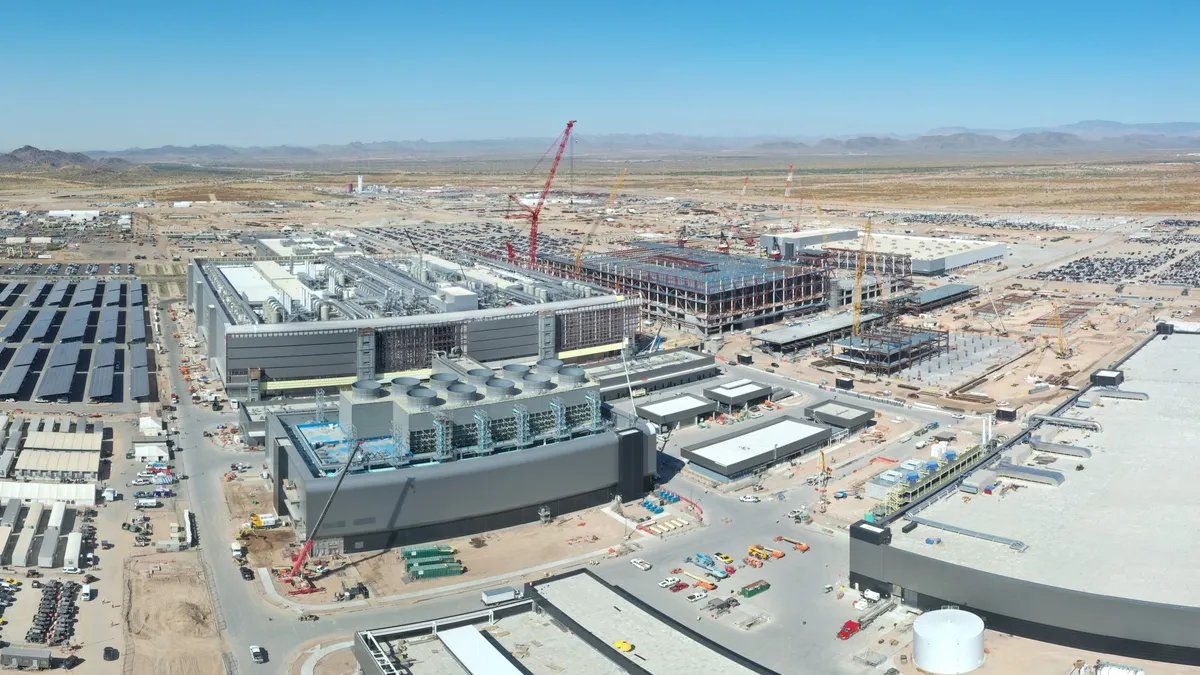
However, the core of the disagreement centers on the semiconductor provisions. The argument is that the current deal, while not causing immediate disruption in 2026, establishes a framework that will gradually erode Taiwan’s leadership in advanced chip manufacturing. The concern is that commitments made will lead to a significant transfer of cutting-edge semiconductor technology and production capacity abroad over the coming years. Proponents of the deal point to current investment figures, noting that the vast majority of a leading chipmaker’s capital expenditure remains in Taiwan. Critics counter that this is a temporary situation and that to meet stated long-term goals for overseas production share, future annual investments will necessarily shift dramatically, potentially exceeding domestic investments within a few years. They argue that portraying the current state as a permanent safeguard is misleading and underestimates the strategic determination of international partners to onshore advanced manufacturing capabilities.
Furthermore, there is criticism regarding the transparency of the negotiation process. Key details, particularly concerning market access and import concessions Taiwan agreed to, have not been fully disclosed to the public. This lack of information fuels suspicion that unfavorable terms might be announced during legislative recesses to minimize public scrutiny and debate. The political dimension is also noted, with speculation that positioning certain officials as successful negotiators is tied to future electoral strategies rather than the substantive long-term health of the domestic tech industry.
I’m deeply worried. We’re not just talking about factories; we’re talking about the entire ecosystem of high-tech innovation and high-paying jobs. Once the momentum shifts and the bulk of capital expenditure flows overseas year after year, it creates a vacuum here. It’s a slow bleed, and by the time the public really feels the pain in a few years, it will be too late to reverse. The politicians celebrating today won’t be around to answer for the consequences.
This analysis is spot-on and cuts through the political spin. Calling a tariff reduction a “major victory” while quietly signing away our technological crown jewels is the height of irresponsibility. Anyone with half a brain can see that promising to build advanced fabs overseas means the tech and jobs follow. We’re being sold out for short-term political gain, and it’s absolutely infuriating. The lack of transparency about what we’re importing is the cherry on top of this disaster cake.
All this doom and gloom ignores the geopolitical reality. Having our key tech industry heavily concentrated in one location is a massive strategic risk. Diversifying production, even if it means sharing some tech, is a form of insurance. It strengthens alliances and deters aggression. The economic calculus isn’t the only thing that matters; survival is. Sometimes you have to give a little to secure a lot more.
[img2: protest sign about technology transfer and local jobs]
The author makes a compelling point about the investment trajectory. It’s simple math. If the goal is to have 30% of advanced production capacity in another country by the end of the decade, you can’t get there by investing less than 20% of your annual budget there. The current year’s numbers are a snapshot, not the trend. Believing otherwise is either wishful thinking or intentional deception. We need to have an honest conversation about the long-term cost of this “partnership.”
Oh please, this is just more fearmongering from the usual critics. The deal secured real wins for our traditional manufacturers who have been struggling. As for semiconductors, TSMC is a global company, and strategic global investment is necessary. The idea that America can just “take” our technology is naive; it’s a complex partnership. The current investment numbers clearly show the core R&D and production are staying right here. Stop pretending the sky is falling every time we make a pragmatic international agreement.
What bothers me most is the timing of announcements. If they have nothing to hide, why wait for the legislature to be on break to release the full details on imports? That reeks of bad faith. It treats the citizens like children who can’t handle the truth. This isn’t about left or right; it’s about basic democratic accountability. We deserve to know the full price of any deal before it’s set in stone.