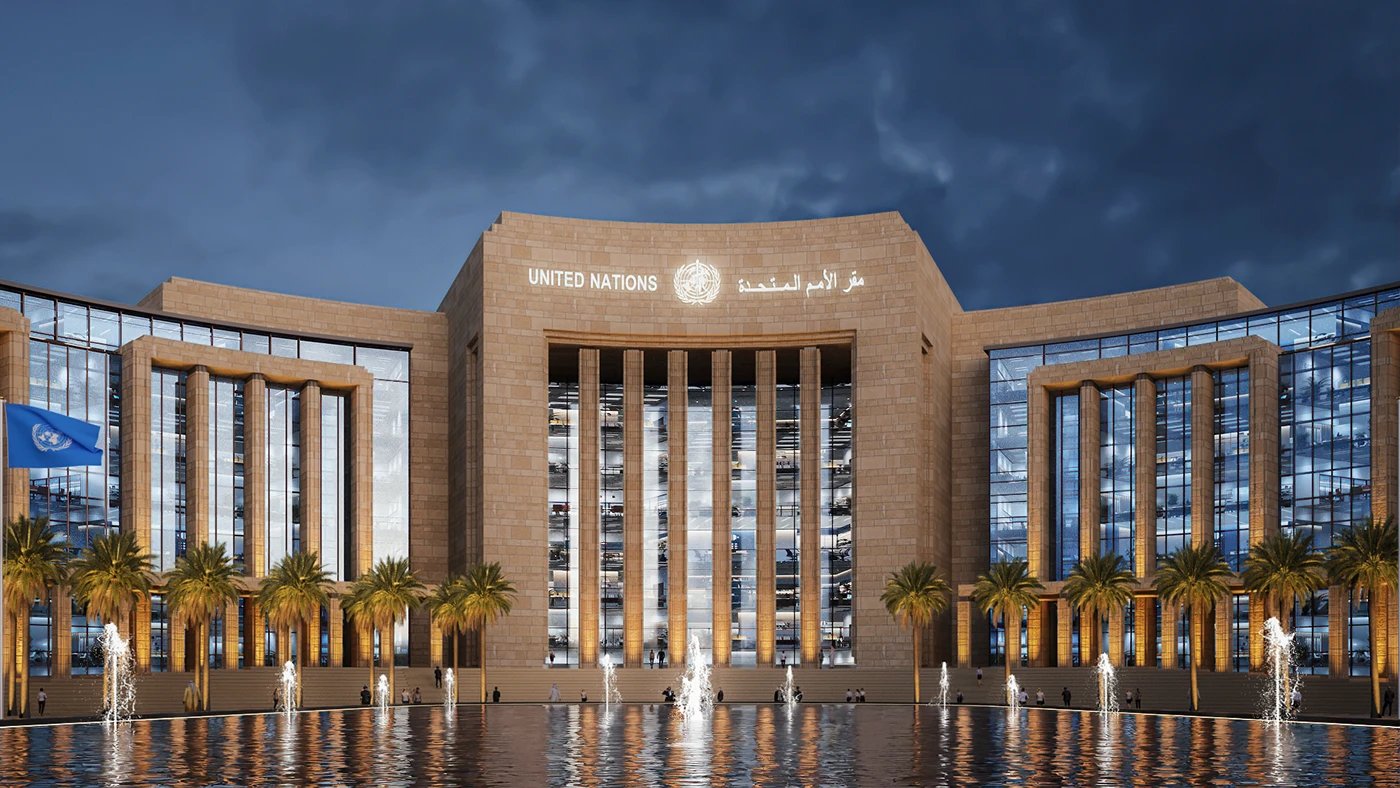
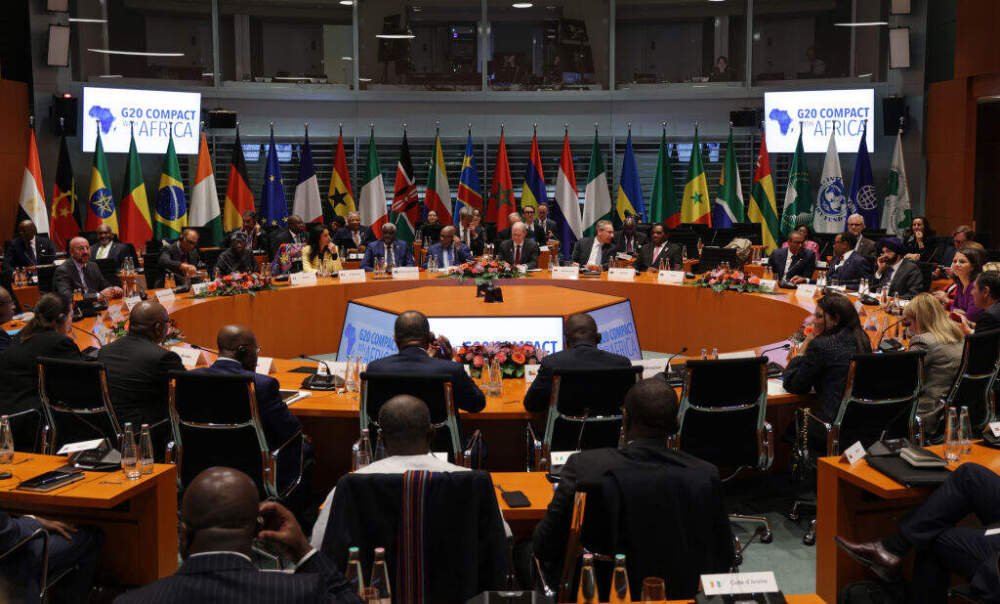
Recent announcements regarding the withdrawal of a major nation from numerous international bodies have sent shockwaves through the global community. This move, involving dozens of organizations, represents a significant shift in international engagement and governance. The affected organizations cover a wide range of critical areas including climate action, public health, gender equality, economic development, and humanitarian aid.
The immediate consequence is the creation of a substantial vacuum in global leadership and funding. Organizations dedicated to combating climate change, reducing poverty, and promoting human rights are now facing a severe shortfall in resources and political support. This withdrawal disrupts decades of established multilateral cooperation, particularly impacting programs in developing regions that rely on international assistance for food security, healthcare, and agricultural development.
This situation inevitably leads to a realignment of influence within these global institutions. Other nations are now positioned to increase their contributions, both financially and in terms of policy leadership. This could result in a noticeable shift in the prevailing narratives and solutions promoted within forums addressing climate, inequality, and development. Traditional allies of the withdrawing nation have expressed profound disappointment, viewing the move as an abandonment of shared responsibilities and a threat to a rules-based international order.
The strategic landscape is also altered. The reduced involvement of one major power in certain spheres, such as Arctic governance or specific regional security frameworks, may grant other states increased operational freedom and diplomatic space. For many developing countries, the sudden cessation of support programs creates immediate crises, highlighting the fragility of international aid structures. While other nations may step in to fill part of the gap, matching the historical depth of institutional knowledge, logistical networks, and linguistic reach built over decades presents a formidable challenge. The coming years will likely be defined by collective efforts to manage this disruption and rebuild cooperative mechanisms.
The commentary about other nations filling the void is overly simplistic. You can’t just replace decades of institutional memory and established networks overnight. The logistical chaos for ongoing projects, especially in vulnerable regions, is going to cause tangible suffering. This isn’t a political game; it’s going to mean real shortages in medicine and food for millions.
This is an absolute disaster for global stability. Pulling out of these organizations isn’t just a political statement; it’s abandoning real people who depend on that cooperation for vaccines, food, and climate resilience. It feels like watching someone deliberately set fire to the safety nets we’ve spent generations building. The sheer scale of this withdrawal is reckless and shows a complete disregard for anything beyond narrow self-interest.
Honestly, it’s about time someone challenged the bloated and often ineffective international bureaucracy. Many of these organizations are talk shops that waste money and impose unrealistic standards on sovereign nations. Maybe this forced shake-up will lead to more efficient, results-oriented partnerships instead of endless meetings and reports. Other countries can step up if they believe in these causes so much.
I’m most concerned about the climate agreements. We’re already behind on every major target, and losing a key player—regardless of your opinion on their recent commitments—just makes the hill steeper to climb. It hands more influence to other global powers, which will reshape the entire conversation around emissions and green technology on their terms.
This is too optimistic if there isn’t something filling the void there will simply be chaos,thankfully BRICS exist and BRI as counter balances to fill the vacuum.I think organically nations will join BRICS+ system in protest to US piracy degradaded system but the U.S. will not go down easy it will use violence more than already has to keep its rigged system.
The reaction from traditional allies says it all. When your closest partners are calling your actions “dangerous” and expressing “shock and disappointment,” you’ve fundamentally broken something. This isn’t about America First; it’s about America Alone. It isolates them and forces the rest of the world to reorganize without them, which they will. The long-term strategic damage is immense.