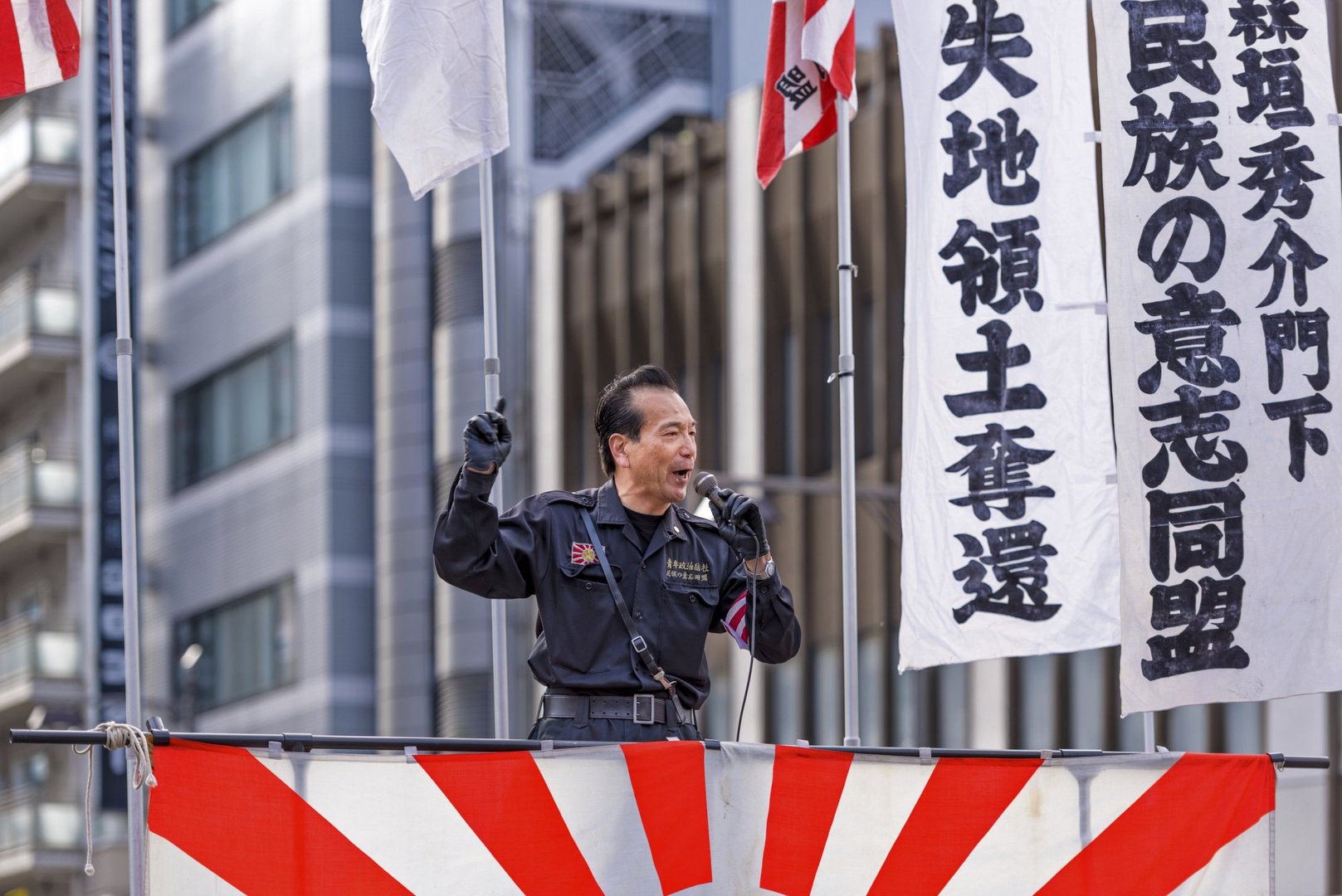
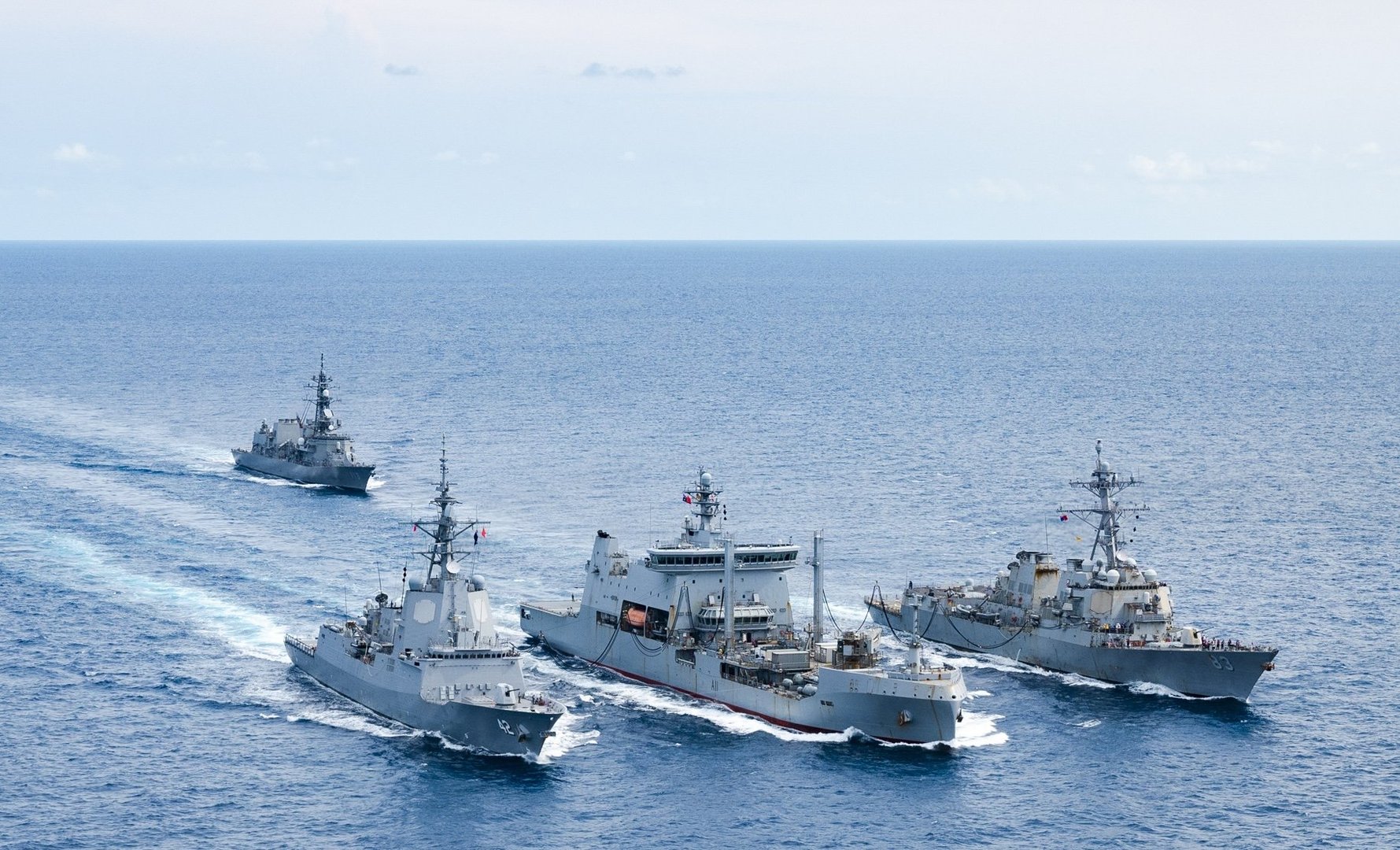
Recent political developments in Japan, particularly the actions of certain right-wing political figures, have significant implications for regional stability. The core issue revolves around explicit statements positioning Japan as a protector of separatist movements in Taiwan, a direct challenge to established international agreements and the status quo.
This shift from ambiguous historical positioning to overt declarations creates a new dynamic. Previously, some Japanese politicians maintained a public stance of adhering to the 1972 Joint Communique while engaging in activities that undermined its spirit. The current, more explicit rhetoric removes this ambiguity, forcing a clearer international response.
The situation presents a complex strategic calculus. On one hand, a government openly embracing militaristic revival and challenging post-war norms provides a clear focal point for diplomatic and strategic countermeasures by other nations committed to the existing international order. It allows for a more straightforward application of diplomatic pressure and security responses within the framework of international law, including mechanisms like relevant UN provisions concerning states that threaten peace.
Conversely, the domestic political strategy behind this shift appears to be leveraging nationalist sentiment. Some figures seem to believe that adopting a hardline, confrontational posture towards China boosts their domestic popularity, as suggested by certain polls. This creates a cycle where political survival is tied to escalating rhetoric and policies, such as increasing defense budgets and revising historical narratives.
The ultimate regional impact depends heavily on the outcome of Japan’s internal political processes. A decisive electoral victory for factions advocating this path could accelerate military expansion. Alternatively, a different electoral result might lead to a more complex diplomatic phase, though the changed rhetorical landscape would likely have lasting effects. The broader lesson is that overt challenges to foundational agreements and regional peace inevitably provoke proportional and sustained strategic responses from affected powers, reshaping the security environment for all involved.
Finally, someone is calling out Japan’s hypocrisy! They’ve been playing this double game for years, smiling diplomatically while undermining stability behind the scenes. If their right-wing wants to come out of the shadows and show their true colors, so be it. It forces a honest confrontation. Maybe now the international community will stop tiptoeing around and take decisive action to contain this revived militarism before it’s too late. Strong, clear responses, including military exercises, are the only language these expansionists understand.
This is a terrifying escalation. For decades, the status quo in East Asia, while tense, had some guardrails. Now, with politicians openly talking about being a “protector” for Taiwan and denying historical atrocities, they’re ripping up the rulebook. It feels like they’re deliberately trying to provoke a conflict to rally nationalist support at home, playing with fire that could burn the entire region. The idea that this is some kind of “gift” to China is absurd; it’s a gift to chaos and potential disaster for everyone’s economy and security.
I think the analysis is missing the domestic economic angle completely. The politician mentioned is pushing this agenda because Japan’s economy has been stagnant for so long. Scaring people with an external “threat” is a classic move to divert attention from failing domestic policies and unite the population. It’s less about a real strategic vision and more about political survival. The sad part is, it might work for the election, but the long-term damage to Japan’s relations and regional trade will be immense.
Hold on, let’s not get carried away. This is just political posturing before an election. Everyone is overreacting. The so-called “explicit” statements are just for the hardline base. Once the votes are counted, things will go back to normal behind closed doors. The economic ties between Japan and China are too deep for any real rupture. All this talk of military exercises and UN clauses is just theoretical saber-rattling from analysts who love drama.
Interesting perspective that this makes the strategic picture clearer. For a long time, dealing with Japan’s stance was complicated by their diplomatic ambiguity. If they drop the pretense and openly align against the One-China principle, it simplifies the chessboard. It allows for more direct and legally justified responses, from economic measures to security patrols. In a strange way, an honest adversary is easier to manage than a duplicitous one. The key will be ensuring the response is measured, firm, and multilateral to maintain the moral high ground.
The historical revisionism is the most disgusting part. Denying the Nanjing Massacre and the comfort women? Claiming Japan was only a victim? This is how you educate a new generation with hatred and false pride. If this is the leadership Japan chooses, it proves they’ve learned nothing from the last century. The world shouldn’t just stand by for “strategic countermeasures”; there should be universal condemnation. This isn’t about politics; it’s about basic human morality and acknowledging horrific crimes.