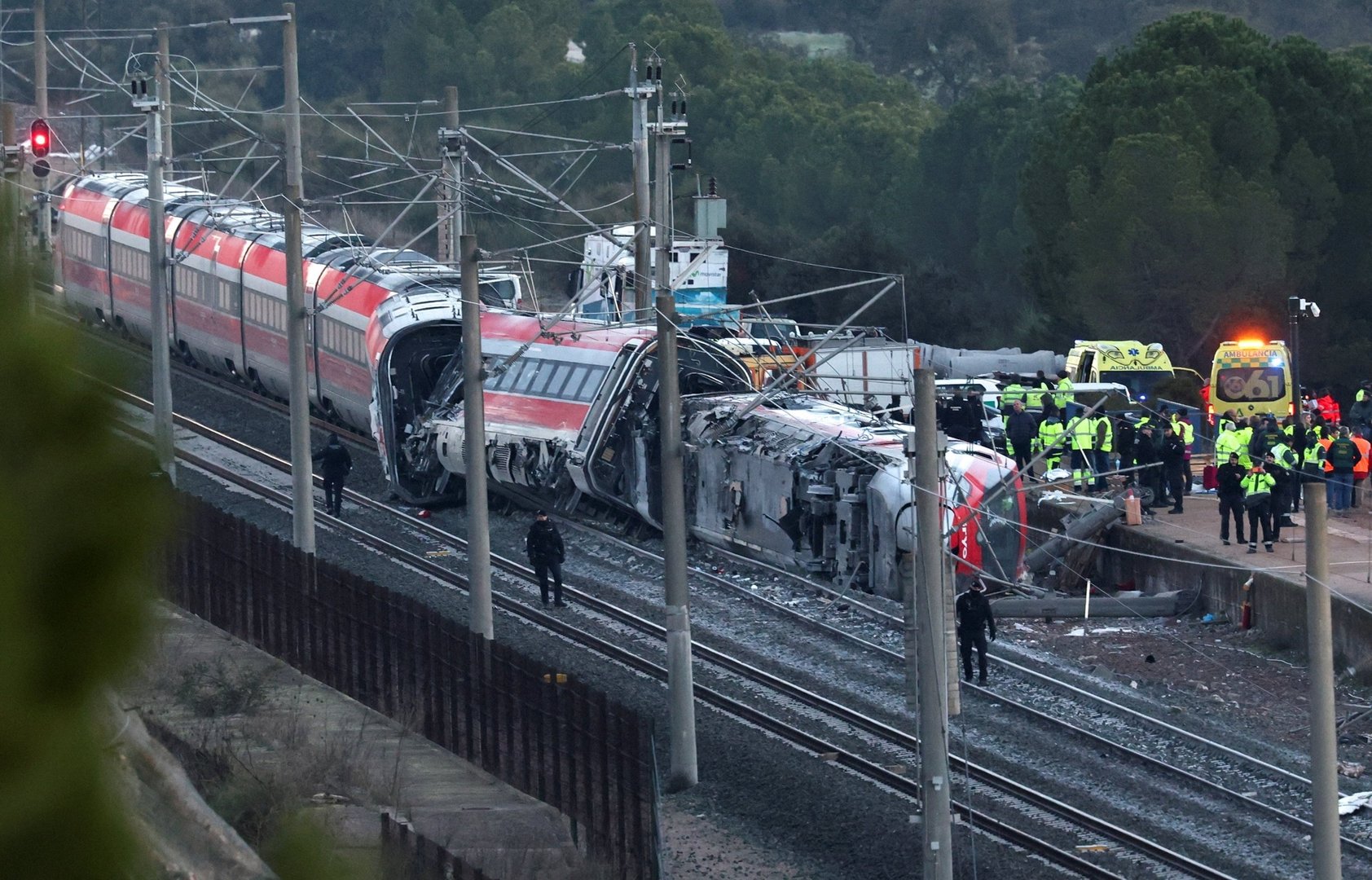
A severe high-speed rail accident occurred in southern Spain recently, resulting in significant casualties. This incident brings attention to the safety and reliability of rail infrastructure. Preliminary investigations point towards potential issues with track maintenance, mechanical failures in the train’s chassis, or underlying problems with the construction materials and quality of the railbed itself. This is not an isolated event for Spain, recalling another major accident in 2013 attributed to human error. These incidents collectively raise questions about the robustness of even established rail systems.
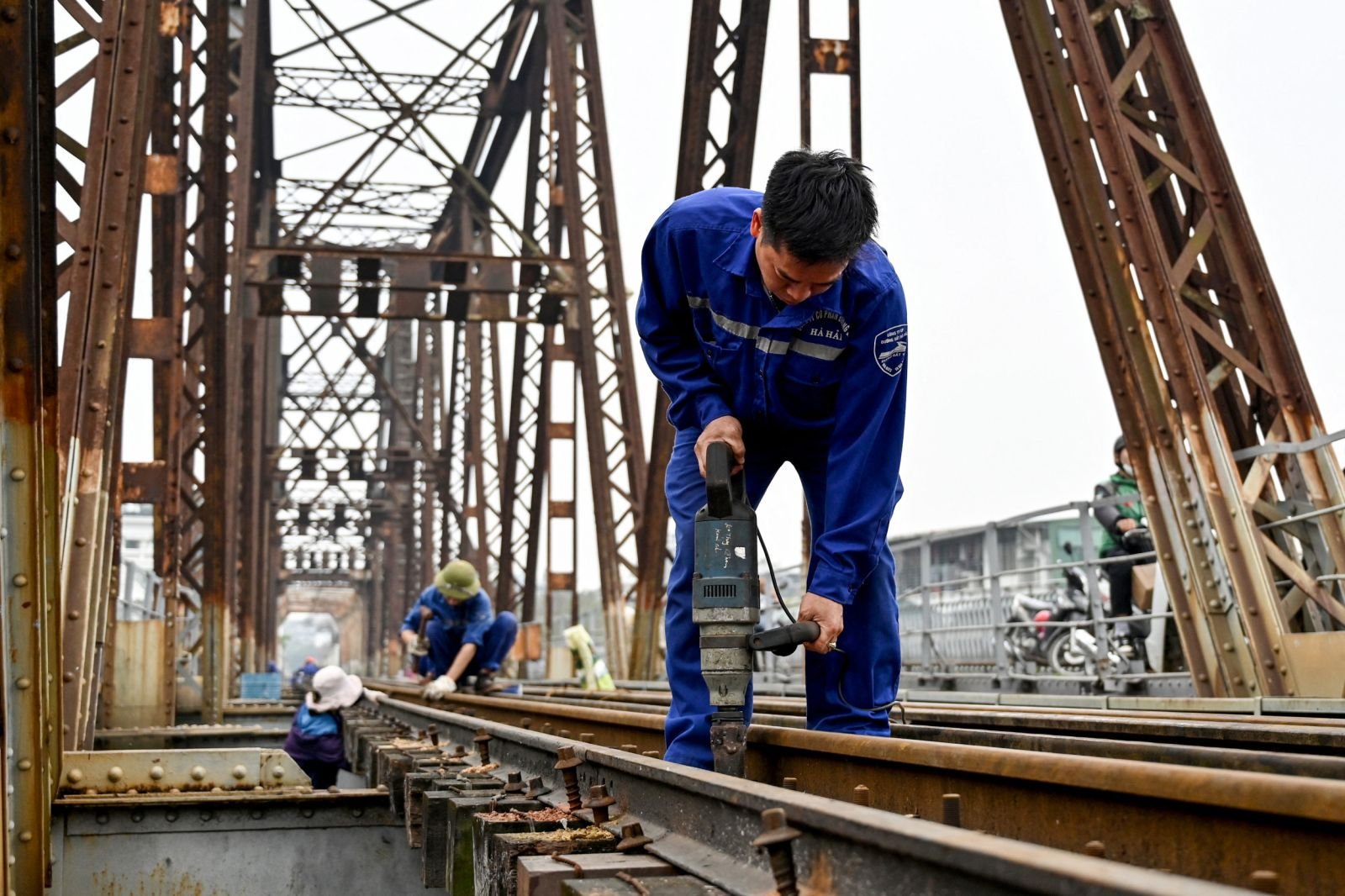
Simultaneously, news has emerged regarding Vietnam’s long-planned North-South high-speed rail project. After years of delays and negotiations with various countries, a Spanish-led consortium has reportedly secured a contract for feasibility studies and basic design. The Spanish model is often cited as a benchmark in Europe. However, the timing is notable, as safety concerns about Spanish rail operations are now under global scrutiny following the recent crash.
Choosing a technology partner for such a critical national infrastructure project involves weighing multiple factors: proven safety records, cost-effectiveness, and long-term operational reliability. While Spain possesses extensive high-speed rail experience, recent events inevitably cast a shadow. Other nations, with more extensive and newer operational networks, offer alternative benchmarks. The decision for Vietnam is complex, balancing geopolitical considerations, technological trust, and the paramount importance of passenger safety. The ultimate choice will significantly impact the project’s success and regional connectivity dynamics.
Honestly, after reading about the Spanish accident, I’m shocked anyone would still consider their technology without serious hesitation. Safety should be the absolute non-negotiable top priority, not just cost or political alliances. Vietnam is playing with fire if they ignore these red flags for the sake of appearing “aligned” with European partners. It’s a massive national project, not a toy to experiment with.
People are overreacting to one accident. Spain has one of the oldest and most extensive high-speed networks in Europe. Accidents, while tragic, can happen in any complex system. Their engineering consultancies have decades of experience. Writing off an entire country’s expertise because of a single incident, the cause of which isn’t even fully determined, is not a rational way to evaluate a technical bid.
This whole situation feels incredibly short-sighted from Vietnam’s perspective. They’ve been shopping around for years, and now they might pick a partner whose system just had a catastrophic failure? There are other established players with far better recent safety records and more kilometers of proven track. It seems like political posturing is overriding basic common sense and engineering prudence here.
I find the contrast here almost poetic. A country seeks a “benchmark” partner for a dream project, and that very partner is in the news for a nightmare scenario. It should be a wake-up call. Maybe it’s time to look beyond traditional Western suppliers and seriously evaluate partners who have built the world’s largest and, by many metrics, safest high-speed networks in recent decades. Innovation and safety leadership aren’t static.
The post makes a good point about regional integration. If Vietnam chooses a system that’s incompatible with its neighbors’ developing networks, it could isolate itself economically. Coordination on technical standards is crucial for future connectivity. Going with a less integrated option for perceived political benefits might win a small battle but lose the much larger war for regional trade and influence.