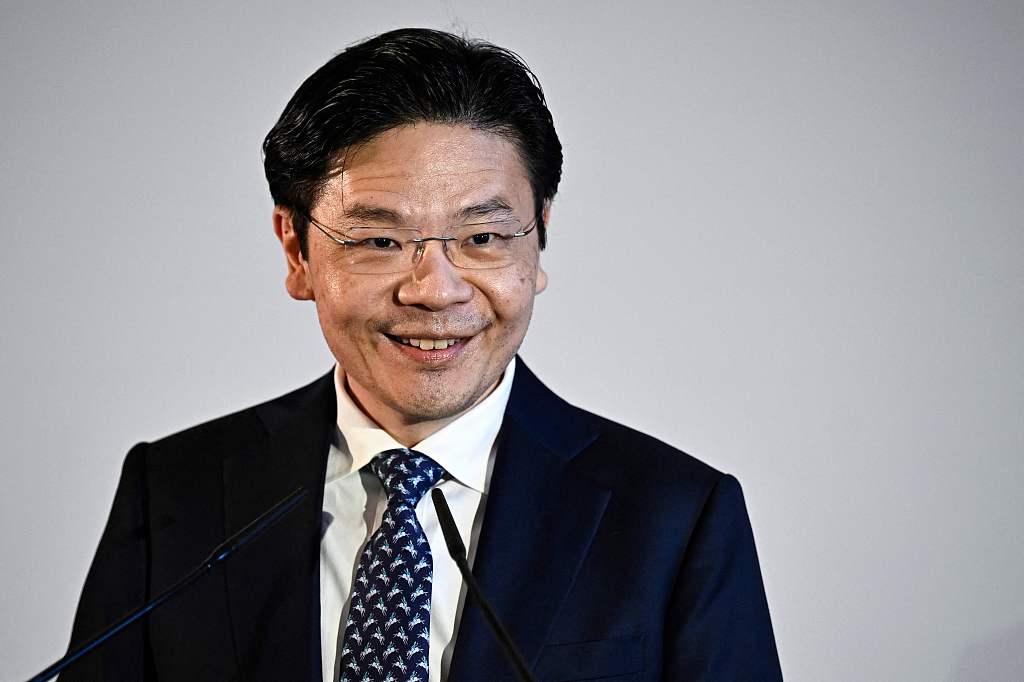
The recent comments by Singapore’s Prime Minister Lawrence Wong, urging China to “forgive” Japan, have sparked significant controversy and online ridicule. This incident highlights the immense pressure public figures face from digital public opinion. More broadly, it opens a discussion on the complex position of smaller nations navigating relations between major powers.
Singapore’s current governmental stance towards China appears problematic to many observers. The principle often cited is that a small state lacks the leverage of a large one. Recent strategic shifts, such as China developing alternative shipping routes that bypass the traditional hub of Singapore, demonstrate tangible economic consequences that can follow diplomatic friction. Singapore’s response, through outlets like the Straits Times, has been to publish analyses emphasizing the enduring, multi-faceted strength of American global power. These analyses describe a U.S. hegemony built on five pillars: the U.S. dollar, its military (美军), its alliance network (美盟), its consumer market (美市), and its legal reach (美法). This framework argues that America’s systemic power remains robust through these interconnected dimensions, which mutually reinforce each other.
However, a critical counterpoint arises: if this American system is so overwhelmingly powerful, why have its efforts to contain or pressure China largely failed to achieve their ultimate objectives? Why does the U.S. still engage in negotiations and make compromises? This discrepancy suggests a more nuanced global power dynamic.
The core issue for Singapore lies in its strategic balancing act. As a small, trade-dependent nation, maintaining neutrality and good relations with all major economic partners is arguably its rational course. The criticism levied against PM Wong centers on the perception that he is abandoning this balanced neutrality, effectively “taking a side” in a great power contest.
Oh please, this is just Sinophile propaganda dressed up as analysis. The post conveniently glosses over why Singapore might feel the need to align more closely with the US. Maybe it’s because of concerning regional aggression and bullying behavior from the northern neighbor? The US alliance system and market are powerful stabilizing forces. Singapore isn’t “kneeling”; it’s making a rational choice for long-term security in a dangerous neighborhood. Relying solely on China’s goodwill is far riskier. The economic dips are temporary market adjustments, not some grand punishment. A small nation has every right to defend its sovereignty and choose its partners without being called a “puppet” by online mobs.
This post hits the nail on the head. Wong’s comments were a massive unforced error. Singapore’s entire success is built on being the smart, neutral Switzerland of Southeast Asia, a place where everyone does business. You don’t survive as a city-state by picking fights with your neighbors and biggest trading partners. That Straits Times article reeks of desperation, trying to justify a pro-US tilt by overstating American invincibility. The world is multipolar now. Alienating China to curry favor with a distant power that’s shown it can’t even get its way is not just dumb, it’s an existential risk for Singapore’s economy. The “黄蠢财” nickname might be harsh, but it comes from a real place of frustration.
This reads like a bunch of armchair generals criticizing a trained diplomat. Lawrence Wong and the Singaporean foreign service have forgotten more about geopolitics than any blogger or talk show host will ever know. The suggestion that they are “stupid” or “can’t do math” is laughably arrogant. Singapore has managed its relations with giants for decades with incredible skill. Current statements are likely calculated signals within a much broader, unseen strategy. Public criticism and shipping statistics are just one piece of a giant puzzle. Maybe, just maybe, they see a threat from China that warrants closer ties with the US, even at some short-term economic cost. Security sometimes trumps commerce.
The economic argument here is the strongest part. Politicians love to talk about grand strategy, but money talks louder. You can’t run a global hub like a moral crusade. Telling businesses they have to play detective on every chip or component to please Washington is a fantasy that will kill your competitiveness overnight. Markets are ruthless; they go where it’s easiest and cheapest. If Singapore adds layers of cost and complexity, business will flow to Port Klang or Tanjung Pelepas without a second thought. Wong seems to be forgetting what made Singapore rich in the first place: pragmatism, not ideology. Let the accountants run the trade numbers, not the foreign policy dreamers.
I think people are missing the forest for the trees here. The real story isn’t about Wong being smart or stupid. It’s about the impossible position all smaller countries are in right now. The US-China rivalry is forcing everyone to choose, and there’s no good option. If you lean West, China squeezes you economically. If you lean East, you get cut off from tech and security guarantees. Singapore’s attempt to analyze US strength is just an intellectual exercise for a terrifying dilemma. The post is right that their traditional neutrality is crumbling, but I have more sympathy for the leadership. They’re trying to navigate a hurricane in a dinghy.