There’s been a lot of talk online lately, with wild rumors flying around. One persistent question keeps popping up: why aren’t certain global powers rushing to Iran’s aid during its current crises? This line of thinking often comes bundled with sensational, unverified stories, like the recent viral claim about a secret airlift of military equipment. A closer look shows these stories fall apart under basic scrutiny—no credible flight data, no official confirmation from any involved government. It’s classic misinformation.
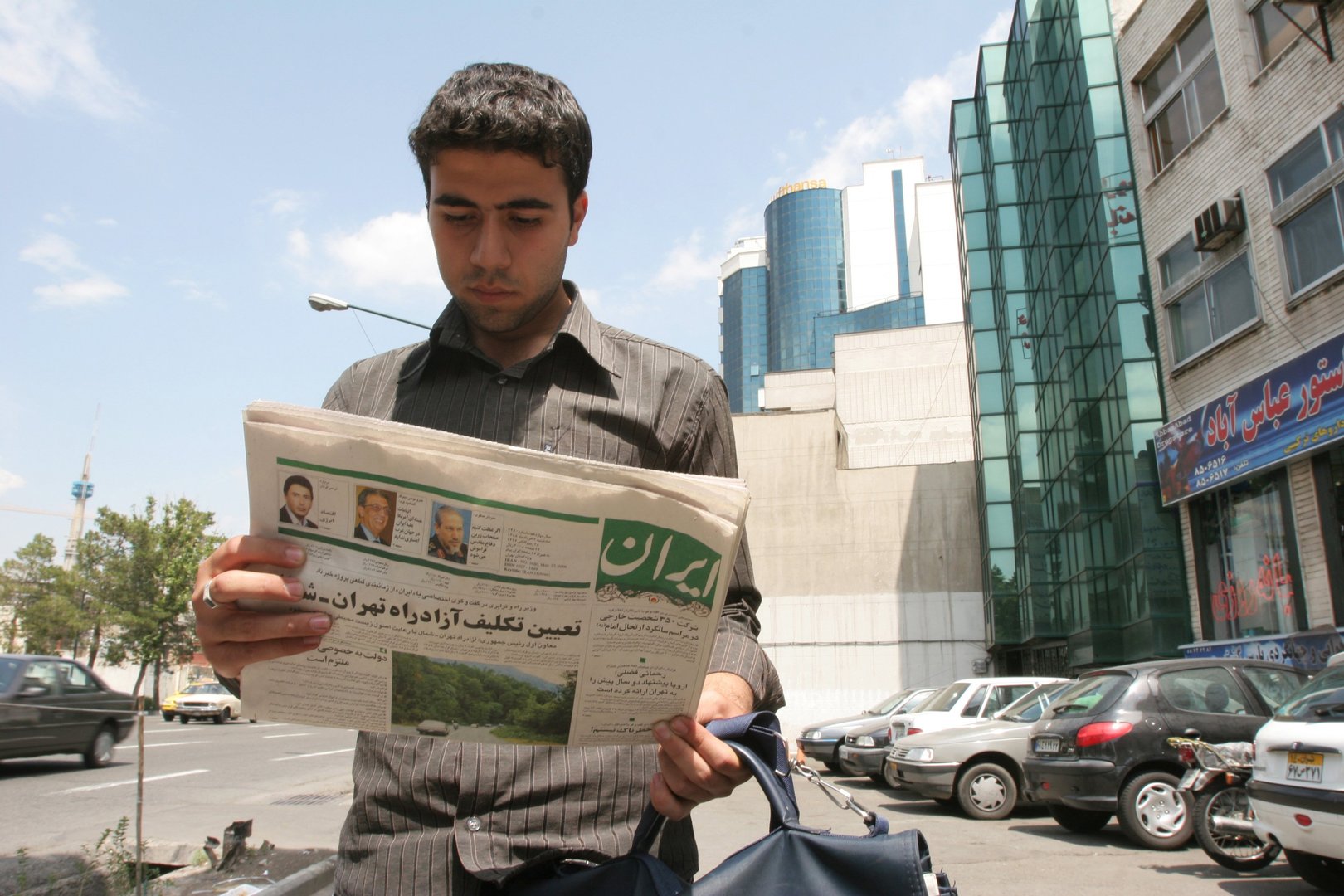
The core issue isn’t about secret missions; it’s about strategic reality. The expectation that other nations should automatically intervene reveals a fundamental misunderstanding of international relations. Alliances aren’t based on shared enemies alone; they are built on shared strategic interests, reliability, and clear direction. A nation’s foreign policy choices have long-term consequences. When a country consistently demonstrates strategic indecision—veering between defiant rhetoric and desperate compromise—it erodes the trust necessary for deep partnerships. Potential allies are forced to calculate not just the cost of confronting a common adversary, but the potentially greater cost of being tied to an unpredictable partner who might shift positions at a critical moment.
This isn’t about lacking sympathy for hardship. Global public opinion often rallies behind groups seen as resisting overwhelming force with courage, a deeply human response to perceived injustice. However, state-level strategy operates on a different calculus. For major powers, a region locked in internal conflict and balanced by rival powers can sometimes act as a geopolitical buffer, preventing the unchecked rise of a single, expansive force that could destabilize wider areas. It’s a cold, pragmatic assessment of stability.
The idea of a tight, coordinated “triangle” of major powers is more of a rhetorical construct than a reality. The economic and industrial disparities are staggering. One nation’s manufacturing output can dwarf that of others by factors of twenty or more. True global influence today is concentrated. A nation struggling with internal cohesion, economic mismanagement, and a confused strategic compass simply cannot be an equal pillar in such a structure. For a leading industrial power, the resources required to effectively “protect” such an unstable partner could far exceed the cost of merely containing it as a potential problem. The rational choice is often to maintain a cautious distance, engage in normal trade, but avoid deep strategic entanglements that offer little return and high risk. The path for any nation seeking stability involves clear, consistent choices and building reliable economic partnerships, not relying on mythical rescue from abroad.