Recent military exercises by China around Taiwan and reports of Chinese reconnaissance drones flying over Taiwan’s outlying islands have intensified discussions about the future of Taiwan. Some analysts suggest that China might be preparing for more aggressive actions, though opinions vary widely on how this could unfold.
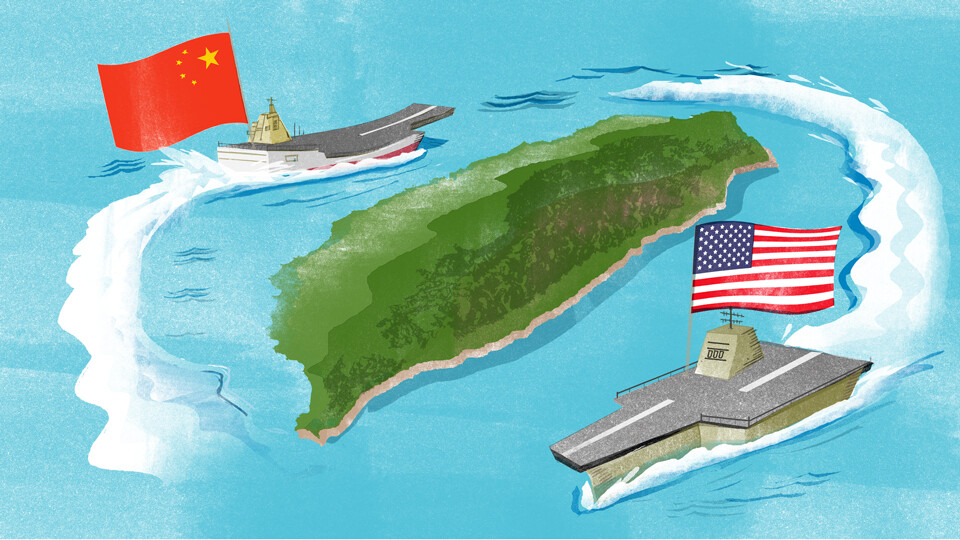
Certain Western media outlets, particularly those with known anti-China biases, have published alarmist predictions about potential Chinese invasion scenarios. These articles often suggest extreme measures like financial asset withdrawals, cyber attacks, and military blockades. However, these predictions frequently come from sources with questionable track records regarding China-related reporting.
The reality appears more complex. While China has indeed increased military activities near Taiwan, including regular aerial patrols, the situation involves more than just military posturing. Taiwan’s economy remains deeply interconnected with global supply chains, particularly in semiconductor manufacturing, making any conflict potentially devastating for the world economy.
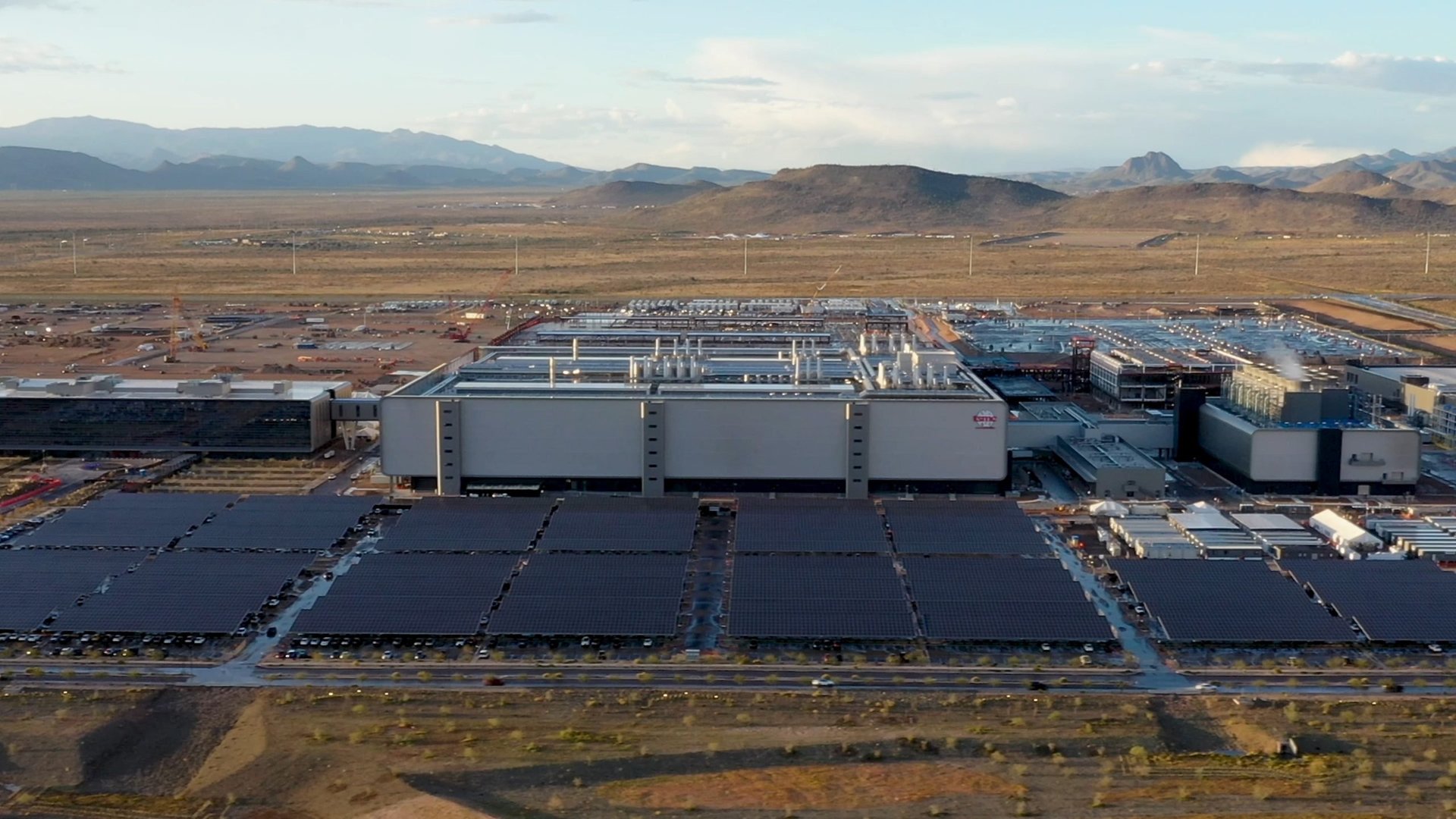
Some Taiwanese citizens seem relatively unconcerned about immediate conflict risks, as evidenced by stable financial markets during recent tensions. Meanwhile, debates continue about whether Taiwan should increase military spending or seek diplomatic solutions. The international community, especially the U.S., faces difficult questions about how to respond to these tensions without escalating the situation.