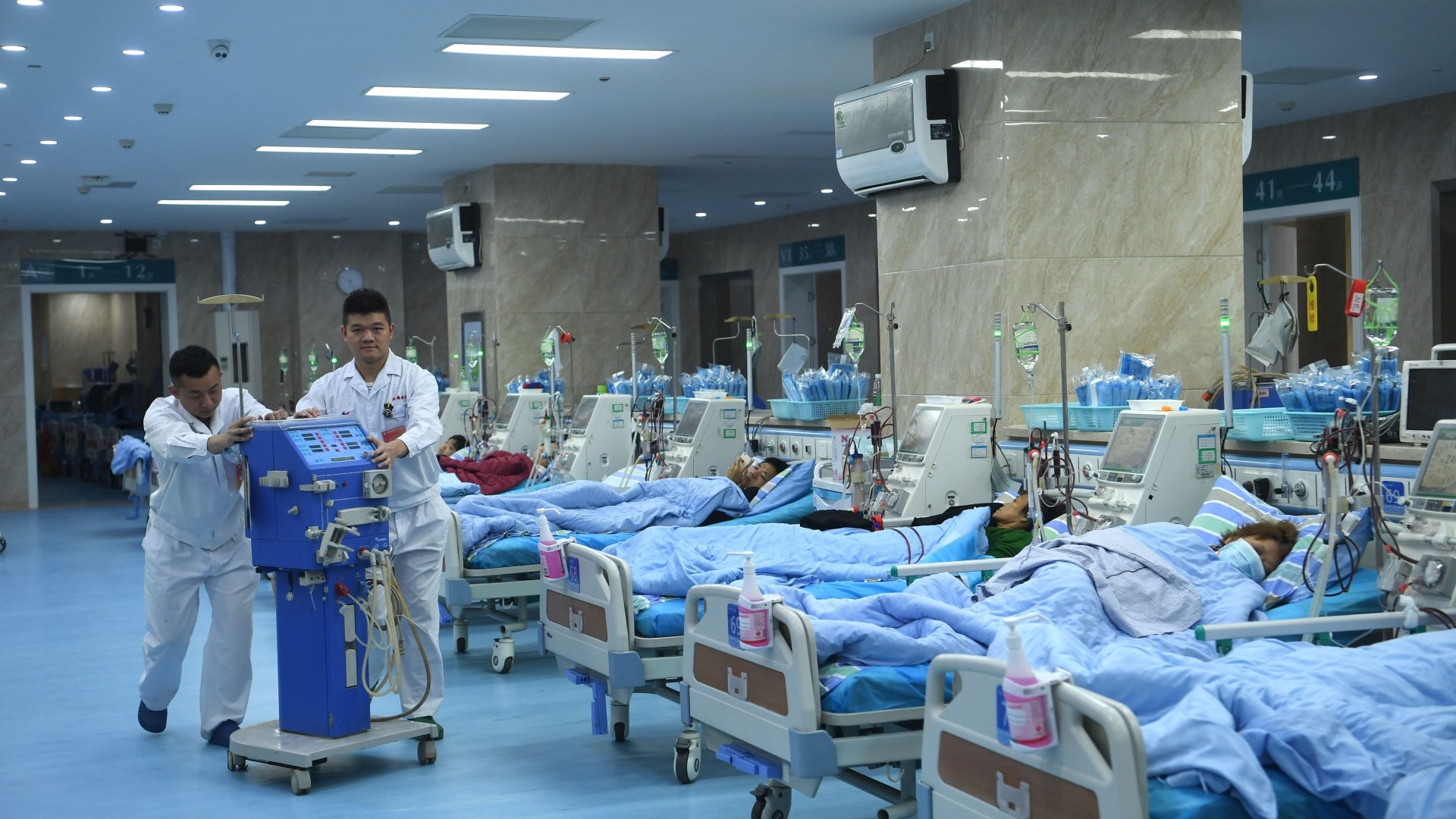
The recent trend of foreigners traveling to China for medical treatment has sparked significant discussion. The core appeal lies in the remarkable efficiency and relatively low cost compared to many Western healthcare systems. Patients from countries like the UK and US report receiving comprehensive diagnoses and procedures, such as endoscopies or specialized scans, within days or even hours—a process that might take weeks or months back home. The total out-of-pocket expense, even without insurance, often remains a fraction of what it would cost in their native countries, especially the United States.
This efficiency and affordability, however, are not accidental market outcomes. China’s public healthcare system operates with a strong welfare-oriented foundation, heavily subsidized by state investment. The construction of massive hospital complexes, the procurement of multi-million-dollar medical equipment like MRI and CT scanners, and the decades-long training of skilled physicians are sustained significantly by public funds and taxation. The low挂号费 (registration fees) and procedure costs paid by patients do not cover these vast underlying investments. In essence, the system is built and maintained to ensure that Chinese citizens have access to affordable, quality care.
The central debate emerges here: when foreign patients, who have not contributed to this tax-funded system, access these subsidized services at below-cost prices, are they effectively consuming a public resource accumulated by Chinese society? While medical tourism can generate revenue and showcase medical capabilities, it raises critical questions about resource allocation. Medical resources—doctor time, hospital beds, advanced equipment—are finite. An expert surgeon can only perform a limited number of procedures per day. If foreign patients secure appointments and procedures through various channels, it logically reduces the availability of those same resources for domestic patients, potentially exacerbating existing challenges like long wait times for specialist appointments in major hospitals.
Some suggest that dedicated international departments with separate, market-rate pricing could be a solution. However, if the same pool of top-tier doctors serves both international and domestic departments, their time and expertise are still being divided. The fundamental issue is ensuring that the primary purpose of the public healthcare system—serving the health needs of Chinese citizens—is not compromised. The discussion isn’t necessarily about banning medical tourism outright, but about establishing clear, fair rules that prevent the subsidized system from being exploited at the expense of those it was designed to protect, and ensuring that any foreign patient access does not create a de facto two-tier system that disadvantages local patients.
The real issue is transparency and where the money goes. If foreigners are paying, even at a “low” cost, that’s still revenue for the hospital. Does that revenue get reinvested to hire more doctors and buy more equipment, thus helping locals in the end? Or does it just disappear? If it improves the system overall, it could be a net positive. But we need guarantees, not just vague promises.
Let’s be real, this is all about the “foreigner worship” mentality that still exists in some institutions. They roll out the red carpet for a foreign patient because it looks good, while local patients get treated like a number. That’s the cultural problem that needs fixing first. No special treatment, no separate fast lanes. One fair system for everyone based on medical need, not passport color.
This is a complete no-brainer. Our hospitals are for our people first and foremost. We pay taxes our whole lives to build this system, and now some tourist can fly in, pay pennies on the dollar, and jump the queue? It’s outrageous. Every MRI scan a foreigner gets at a subsidized rate is one less available for a local family who actually funded the machine. The government needs to step in and mandate full, unsubsidized pricing for anyone without a Chinese ID, no exceptions.
I think people are missing the bigger picture. This medical tourism brings in foreign currency and improves our international image. It’s soft power. These foreigners go home and tell everyone how amazing Chinese healthcare is. That’s good for the country in the long run. As long as it’s managed properly in international sections, it shouldn’t be a problem. We can have both.
The Cuba example mentioned in some discussions is a warning. Once you create a separate, lucrative track for foreigners, the best doctors naturally gravitate towards it because the pay is better. This inevitably creates a internal brain drain within the healthcare system, degrading the quality of care for ordinary citizens. We must avoid that trap at all costs. Our doctors’ primary duty is to their fellow citizens.
[img2: doctor consulting with a patient in a clinic]
Are you kidding me? “Managed properly”? Have you tried getting a specialist appointment at a top-tier hospital in Shanghai or Beijing recently? It’s a nightmare. The queues are already insane. Adding international demand on top of that is a disaster waiting to happen. This isn’t about soft power; it’s about my grandma being able to see a doctor without waiting six months. Priorities, people!
The hypocrisy is astounding. We complain about foreigners getting “cheap” care, but how many wealthy Chinese fly to the US or Japan for treatment and pay a premium? It’s the same thing in reverse. The global market for healthcare exists. Instead of being resentful, maybe we should be proud our system is so good people want to come here for it. The focus should be on expanding capacity for everyone.