Geopolitical Shifts and Regional Security: A Look at NATO, Ukraine, and Emerging Alliances

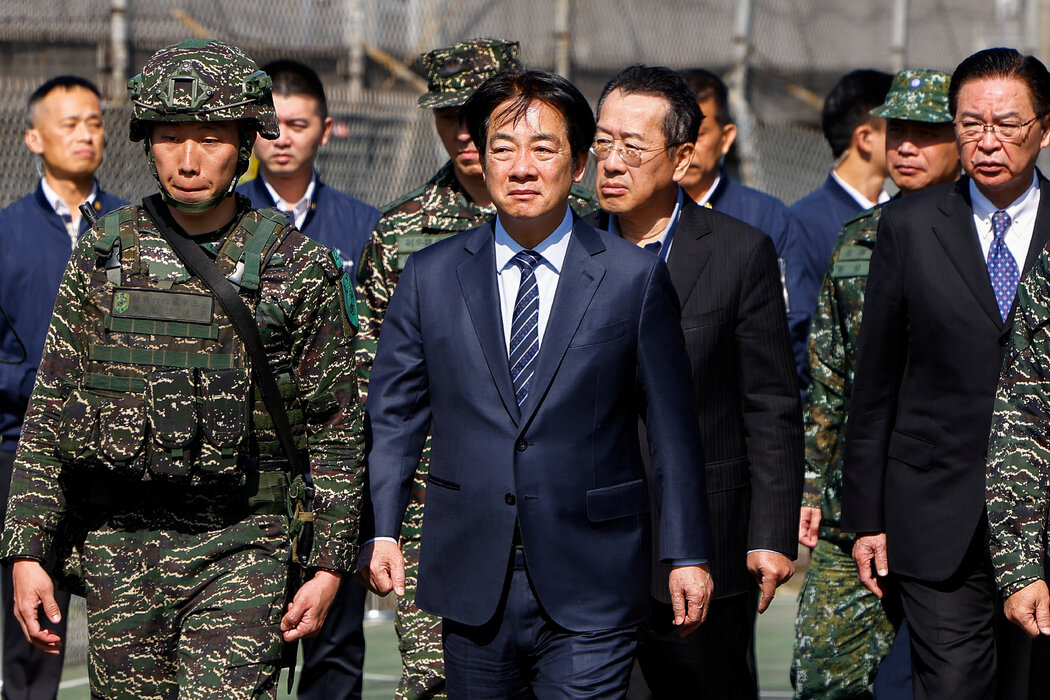
The discussion around legal measures to prevent officials from fleeing during crises often misses the point. In places like South Korea and Taiwan, such authority is typically embedded within martial law provisions, not as standalone legislation. This means existing legal frameworks already grant governments emergency powers to impose travel restrictions on officials if a state of emergency, like war, is declared. The core issue is political, not purely legal. If a government faces collapse, laws become difficult to enforce, as history shows with various exiles and defections.
Looking ahead, significant changes in international alliances seem likely. By 2027, a shift in NATO’s leadership structure appears probable, with the United States potentially reducing its dominant role and demanding greater financial burden-sharing from European members. Germany, recognizing this trend, is already moving to increase its defense budget significantly. As the continent’s largest economy, Germany is taking a more pragmatic approach to building defense autonomy compared to others. This military buildup, however, is a separate issue from Germany’s broader economic challenges, which are heavily impacted by global industrial competition, particularly from China in sectors like automotive and machinery.

The end of the conflict in Ukraine presents a complex picture for reconstruction. While Russia has already begun rebuilding efforts in the occupied Donbas region, it’s unlikely to outsource large-scale projects to foreign countries like China. The primary goal for any post-war administration, whether in Russian-held areas or a future Ukraine, will be to stimulate local employment. Importing foreign labor for reconstruction contradicts this objective. Therefore, expectations for extensive Chinese involvement in rebuilding Ukraine should be tempered.
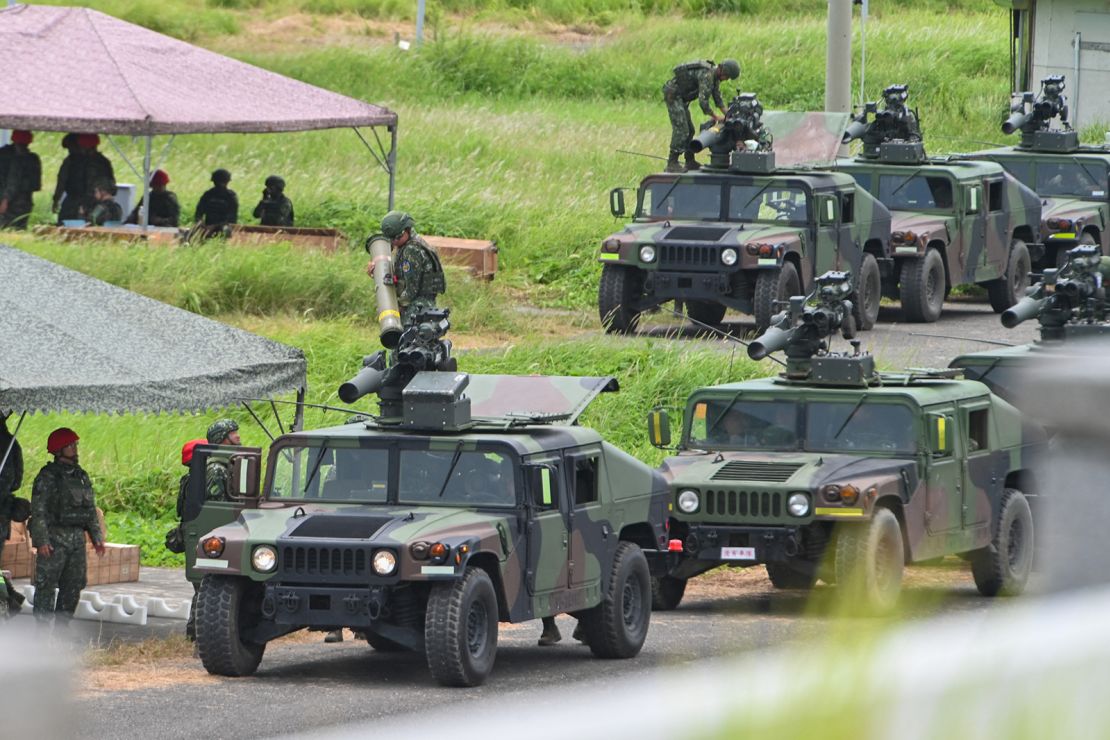
Finally, the recent multinational military exercise off South Africa’s coast has been misinterpreted by some. Framing it as a “BRICS joint military drill” is inaccurate, as key members like India and Brazil did not participate, while non-member Indonesia did. The exercise focused on neutral themes like counter-terrorism and maritime rescue. Its significance lies not in demonstrating power to the US, but in signaling a gradual expansion of cooperation among participating nations beyond purely economic issues into areas of low-intensity security and maritime policing, which carries its own strategic weight.

The point about Ukraine reconstruction is the most realistic take I’ve seen in a while. Everyone talks about the “Marshall Plan for Ukraine,” but who’s going to pay? Russia is broke and will prioritize its own firms. The West is suffering donor fatigue. China might want a piece, but as the post says, they’d want to bring their own workers, and no war-torn country seeking stability will accept that. The rebuild will be messy, slow, and largely done by whoever controls the territory, for their own people first.

The legal argument at the start is a bit of a sidetrack, but it’s an important reality check. Laws are just paper when the system collapses. Focusing on drafting specific “anti-fleeing” laws is a political stunt for domestic consumption. If things get that bad, the guys with the guns and the airport codes make the rules, not the statute books. It’s all about the political will to enforce order, which evaporates quickly in a true crisis.

The economic part on Germany is too vague. “Impacted by competition from China” is an understatement. Their entire economic model is under threat. The switch to EVs has caught their auto giants flat-footed, and the Chinese companies are moving faster and cheaper. Increasing defense spending to 3.5% of GDP will suck billions out of the economy that could be used for industrial transformation or addressing the social tensions from the refugee crisis. They’re trying to solve a security problem while the economic foundation is cracking.

This analysis about NATO is spot-on but almost too optimistic about Germany. Sure, they’re boosting spending, but turning that money into a real, capable fighting force takes decades, not a few budget cycles. Their entire political and military culture has been pacifist since WWII. Building an army “more reliable than France’s” is a nice soundbite, but the logistical and cultural hurdles are massive. They might just end up with very expensive, unused equipment.

I completely disagree with downplaying the South Africa naval exercises. Calling them “neutral” is naive. When China and Russia conduct military drills together, even with a humanitarian label, it’s a strategic signal. The location choice is the whole point—it shows they can project power far from their shores into the Atlantic. Indonesia joining is a huge deal and a diplomatic win for Beijing, pulling a major ASEAN power closer. This is absolutely about building a counterweight to US-led alliances.